```html
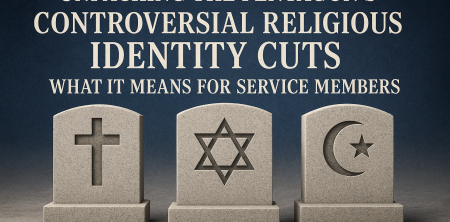
The Pentagon's recent announcement regarding the removal of 180 religious identities from military personnel records has sparked intense debate across various sectors of society. This decision touches on crucial aspects of identity, government policy, and civil liberties, creating a charged atmosphere ripe for discussion. As the nation grapples with this change, many are left wondering what the implications are for service members and their rights.
Understanding the Pentagon's Decision
For those unfamiliar with the military's record-keeping protocols, religious identity has historically played a significant role in how service members are categorized and treated. These identities can affect everything from dietary restrictions to religious observances during duty hours. By eliminating 180 of these classifications, the Pentagon seems to be making a sweeping change that could impact countless individuals.
The reasons behind this decision are multifaceted. On one hand, the Pentagon has argued that this move is part of an effort to streamline administrative processes and reduce the complexities associated with maintaining such detailed records. However, on the other hand, critics perceive this as an infringement on personal identity and freedom of religion.
The Broader Implications of the Cuts
The implications of the Pentagon's religious identity cuts extend beyond mere administrative efficiency. For many service members, religious identity is not just a label—it's a fundamental part of who they are. The removal of these identities could potentially lead to feelings of alienation and marginalization among those who find their faith and beliefs disregarded.
Moreover, the decision raises questions about the military’s commitment to diversity and inclusion. In a time when many institutions are striving to embrace multiculturalism and promote understanding among various faiths, this move could be seen as a backward step. It invites scrutiny into how the military values and accommodates its diverse personnel.
Voices from the Military Community
The response from the military community has been mixed. Some service members welcome the cuts, believing they may help simplify bureaucratic processes that can often be cumbersome. Yet, numerous voices have expressed concern, arguing that this decision could lead to a slippery slope, whereby the military further erodes the importance of personal identity in favor of a one-size-fits-all approach.
For instance, Sergeant First Class Maria Thompson, a chaplain in the Army, stated, "It's essential that our service members retain their religious identities. We serve in a country that prides itself on religious freedom, and this decision feels contrary to that principle." Such testimonials underscore the emotional weight of this topic and the potential ramifications it may have on morale and cohesion within units.
Public Reaction and Political Ramifications
Public reaction has been swift and varied. Advocacy groups, particularly those focused on religious freedoms, have condemned the Pentagon’s actions as an alarming precedent. Organizations like the Military Religious Freedom Foundation have voiced strong opposition, emphasizing the potential for this policy to undermine the rights of service members to practice their faith freely.
Political leaders are also weighing in. Some members of Congress have called for hearings to examine the reasoning behind the cuts and their implications for service members. Senator John Smith (R-CA), for instance, remarked, "The Pentagon must explain how this decision aligns with our commitment to protecting the rights of every service member. We cannot afford to overlook the importance of religious identity in our military culture."
Legal Perspectives on Religious Identity in the Military
The legal landscape concerning religious identity in the military has been complex and contentious for years. The First Amendment guarantees freedom of religion, yet the military has historically maintained certain restrictions in the name of discipline and operational effectiveness. This latest decision by the Pentagon is likely to reignite discussions surrounding these legal boundaries.
Courts have previously ruled in favor of service members seeking accommodations for their religious practices. The Pentagon religious identity cuts could lead to legal challenges as affected service members push back against what they perceive as an infringement on their rights. Legal experts suggest that this decision may lead to lawsuits that test the balance between military necessity and individual freedoms. (See: health disparities among service members.)
Comparisons to Previous Military Policies
This isn't the first time the military has faced scrutiny over its treatment of religious identity. Historical instances, such as the repeal of "Don't Ask, Don't Tell," show that the military is capable of evolving its policies in response to societal changes and pressures. The current situation calls to mind these precedents as advocates for religious rights mobilize to contest the cuts.
For example, the struggle for LGBTQ+ rights in the military has paved the way for broader discussions about personal identity. Some advocates are drawing parallels between these movements, highlighting how marginalized groups within the military can mobilize for change against institutional inertia.
Potential Outcomes of the Decision
As the dust settles on this decision, various outcomes are possible. On one end of the spectrum, the Pentagon may face significant pushback that leads to a reassessment of the policy. Service members, advocates, and lawmakers could unite to demand the restoration of religious identities as a way to uphold personal freedoms.
Alternatively, if the cuts remain in place, it could foster a growing resentment within the ranks, leading to decreased morale and a sense of disillusionment among those who feel their beliefs are being undermined. This discontent could manifest in various ways, from lower recruitment rates among certain demographics to challenges in retention of existing personnel.
Community Reactions and Support Systems
As the controversy unfolds, various community organizations and religious groups have begun mobilizing support for affected service members. Many are offering resources and platforms for those who wish to voice their concerns or seek legal counsel regarding their religious rights.
Furthermore, religious leaders are stepping in to provide guidance and comfort to those who may feel disheartened by the Pentagon’s decision. Local churches, synagogues, and mosques are rallying to create spaces where service members can share their experiences and find solidarity in their faith.
The Role of Media in Shaping the Narrative
Media coverage plays a crucial role in shaping public perception of the Pentagon's religious identity cuts. As this story gains traction, various outlets are diving into the complexities of the issue, offering nuanced perspectives that highlight both sides of the debate.
However, it's essential to recognize the potential for sensationalism. While the headlines may draw attention, the underlying realities of the situation require careful consideration. It's vital for media outlets to provide balanced reporting that captures the sentiments of both advocates and critics, facilitating informed discourse.
Looking Ahead: The Future of Religious Identity in the Military
As we reflect on the Pentagon's recent decision, the future of religious identity in the military remains uncertain. Will the cuts lead to significant changes in how service members are treated, or will they ignite a movement for greater recognition of personal beliefs?
Ultimately, the outcome will depend on the collective effort of service members, advocates, and lawmakers to engage in constructive dialogue about the importance of religious identity. The military is tasked with not only defending the nation but also upholding the values that define it, including the principles of freedom and personal expression.
The Pentagon religious identity cuts are not just a policy change; they represent a broader cultural moment that challenges us to consider what it means to serve in a diverse and pluralistic society. As discussions continue and developments unfold, it will be crucial for all stakeholders to advocate for a military that respects and honors the identities of those who serve.
What Motivated the Pentagon's Decision?
The Pentagon's decision to remove these religious identities stems from an ongoing effort to modernize military records and enhance operational efficiency. Officials suggest that the previous system created unnecessary paperwork and led to confusion during personnel evaluations. However, some argue that in the quest for efficiency, the Pentagon might be overlooking the unique needs of its service members, many of whom find strength and identity in their faith.
A deeper look into the operational implications reveals that maintaining religious identities has been essential for accommodating diverse dietary needs, ritual practices, and even mental health support. Without these identifiers, service members may find themselves without critical resources that cater to their religious practices. For instance, kosher or halal meals may become less accessible, and accommodations for religious observances—such as prayer times—might not be prioritized as they previously were. (See: latest news on military policies.)
Statistics on Religious Diversity in the Military
The military has long been a melting pot of cultures and beliefs. According to a 2022 survey by the Pew Research Center, approximately 20% of active-duty service members identify with a non-Christian faith or identify as atheists or agnostics. This substantial figure highlights the necessity for a military structure that respects and acknowledges various religious identities. The removal of these identifiers risks alienating a significant portion of the armed forces who feel their beliefs and practices are being disregarded.
Expert Perspectives on the Cuts
Experts in military policy and religious rights have weighed in on the Pentagon's decision with mixed opinions. Dr. Emily Waters, a sociologist specializing in military studies, argues that the cuts could lead to unintended consequences. "The military's structure is predicated on unit cohesion and morale. If service members feel their identities are being stripped away, it can create a rift within units, potentially impacting overall effectiveness," she explains.
In contrast, some military strategists believe that removing these identities could foster a more unified force. Retired Colonel James Hartman suggests, "By minimizing the differences among service members, the military could enhance camaraderie. However, this argument neglects the importance of diversity in fostering innovation and problem-solving within teams." This tension between unity and diversity will be a significant topic of discussion moving forward.
Comparing Religious Policy to Other Identity Policies
When analyzing the impact of identity politics within the military, it’s helpful to compare the situation regarding religious identities to policies concerning race, gender, and sexual orientation. The military has made strides in promoting inclusivity in these areas, indicating a potential path for how religious identity might also be addressed moving forward.
The repeal of "Don't Ask, Don't Tell" serves as a relevant case study. It illustrates how movements for recognition and rights can shift the military's policies in response to pressure from service members, advocacy groups, and societal norms. As such, the current cuts to religious identities might not hold if enough voices from within and outside the military advocate for change and highlight the importance of these identities.
FAQ: What You Need to Know About Pentagon Religious Identity Cuts
What are the religious identity cuts?
The Pentagon's religious identity cuts involve the removal of 180 religious identifiers from military personnel records, which previously served to categorize service members based on their faith traditions.
Why did the Pentagon make this decision?
The Pentagon claims the decision is aimed at streamlining administrative processes and enhancing operational efficiency. However, critics argue it undermines personal identity and religious freedoms.
How could this affect service members?
Service members may experience a lack of access to accommodations for religious practices, such as dietary needs and prayer times, leading to potential alienation and reduced morale.
Are there legal implications regarding this decision?
Yes, this decision may incite legal challenges as service members assert their rights to practice their religion freely. Legal experts anticipate lawsuits that could test the balance between military efficiency and individual freedoms.
What can service members do if they feel affected by these cuts?
Service members can seek support from advocacy groups, connect with legal resources specializing in military law, and engage in discussions within their communities to share and amplify their experiences.
What does the future hold for religious identity in the military?
The future of religious identity in the military remains uncertain. If enough advocacy emerges from service members and the broader community, there may be potential for policy revisions that restore recognition of religious identities. (See: analysis of civil liberties issues.)
Exploring the Impact on Mental Health
The Pentagon's decision to eliminate religious identities may have ramifications that extend into the mental health sphere. Numerous studies have shown a strong correlation between faith and mental well-being, particularly in high-stress environments like the military. Service members often lean on their faith during challenging times, and the inability to express this identity could lead to feelings of isolation and stress.
According to a 2021 report by the Department of Defense, approximately 25% of service members reported that their religious beliefs significantly contribute to their resilience and coping strategies. By stripping away the acknowledgment of these identities, the military might inadvertently exacerbate mental health issues among its personnel.
Advocates emphasize that providing mental health resources that align with service members' religious beliefs could improve overall well-being and help address issues like PTSD and depression. This highlights another layer of complexity surrounding the Pentagon's decision, suggesting that bureaucratic efficiency should not come at the cost of individual health and morale.
Potential for Advocacy and Change
The current cuts have spurred a wave of advocacy efforts aimed at reversing the Pentagon's decision. Organizations dedicated to protecting religious liberties are ramping up their efforts to raise awareness and mobilize support. They argue that these cuts not only harm service members but also tarnish the military's commitment to uphold the Constitution's principles regarding religious freedom.
Grassroots movements are emerging, where service members and their families are encouraged to share their stories to raise awareness about the significance of religious identity. Social media has become a powerful platform in this regard, allowing individuals to amplify their voices and connect with others who share similar experiences and concerns.
By harnessing the power of collective action, advocates believe they can create the momentum needed to push for policy changes that recognize and celebrate the diversity of religious identities within the military.
Conclusion: Navigating a New Landscape
The Pentagon's decision to eliminate religious identities from military records is set against the backdrop of the ongoing evolution of identity within the armed forces. This pivotal moment compels us to consider not only the rights of those who serve but also the foundational values that underpin our society.
As we move forward, it will be critical for all stakeholders—service members, advocacy groups, legal experts, and lawmakers—to engage in open dialogue that respects the diverse identities within the military. The goal should be to create an environment where personal beliefs are celebrated, fostering a stronger, more cohesive force.
```
Trending Now
Frequently Asked Questions
What are the Pentagon's recent changes to religious identity records?
The Pentagon has announced the removal of 180 religious identities from military personnel records. This decision aims to streamline administrative processes but has sparked debate over its implications for service members' rights and personal identities.
How will the removal of religious identities affect service members?
The removal of religious identities may impact service members by disregarding a fundamental aspect of their identity. It could lead to feelings of alienation and marginalization for those whose faith and beliefs are no longer officially recognized.
What are the criticisms of the Pentagon's decision on religious identity cuts?
Critics argue that the Pentagon's decision infringes on personal identity and freedom of religion. They view the cuts as a potential setback for diversity and inclusion within the military, especially during a time when many institutions promote multiculturalism.
Why did the Pentagon decide to eliminate religious identity classifications?
The Pentagon claims the decision to eliminate religious identity classifications is part of an effort to streamline administrative processes and reduce complexities in maintaining detailed records, although this rationale is contested by many who value these identities.
What are the broader implications of the Pentagon's religious identity cuts?
The broader implications include potential alienation of service members and concerns about the military's commitment to diversity and inclusion. The decision raises questions about how the military will support the beliefs and practices of its diverse personnel moving forward.
Have you experienced this yourself? We'd love to hear your story in the comments.

