```html
Imagine this: a workplace scenario where an employee, struggling with a mental health disability, seeks support, but instead of finding understanding and accommodation, they encounter resistance, dismissal, or even outright ignorance. It’s a narrative far too common, yet one that, until recently, often went unaddressed in a legally enforceable way. That’s all changing, and a recent ruling in Canada has sent shockwaves through the corporate world, forcing employers to confront a reality they can no longer afford to ignore.
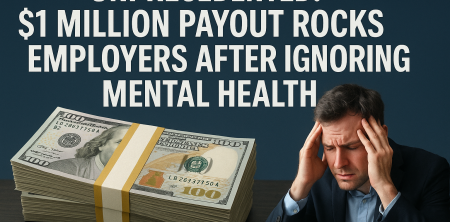
The case of Volpi v Lifemark Health Corp, decided by the Human Rights Tribunal of Alberta on July 30, 2026, isn't just another legal precedent; it's a monumental shift. It saw an employer ordered to pay over $1 million in damages for failing to accommodate an employee's mental disability. Yes, you read that right – over a million dollars. This isn't pocket change; it's a staggering sum that underscores a rapidly escalating trend: workplace mental health is no longer a soft HR issue. It's a hard-nosed legal and financial imperative, and businesses that fail to adapt are doing so at their extreme peril.
The Rising Tide of Mental Health Claims: Why Volpi v Lifemark Health Corp is a Game-Changer
For years, mental health in the workplace was often relegated to the sidelines, treated as a personal issue rather than a legitimate disability requiring accommodation. Employees might quietly suffer, take personal leave, or even resign, rather than confront the stigma and potential professional repercussions of disclosing a mental health challenge. But times are changing, and cases like Volpi v Lifemark Health Corp are at the vanguard of this transformation.
This isn't an isolated incident. We're witnessing a significant uptick in mental health-related leaves, disability claims, and, critically, lawsuits. Only recently, a federal jury in the United States awarded a staggering $24 million to an employee whose severe anxiety disorder was not reasonably accommodated by their employer. These aren't minor settlements; they are multi-million dollar judgments that serve as clear, undeniable warnings to businesses everywhere. They signal a profound shift in societal attitudes and legal interpretations of employer responsibilities. The days of dismissing mental health as 'not a real illness' or 'something to just get over' are officially dead and buried, at least in the eyes of the law. This builds on Navigating college accommodations.
What's driving this surge? A combination of factors. There's increased awareness and destigmatization, allowing more employees to feel comfortable disclosing their struggles. Legal frameworks are evolving, with human rights tribunals and courts increasingly recognizing mental disabilities on par with physical ones. And frankly, the sheer pressure of modern work life, exacerbated by global events and economic anxieties, is taking a toll on people's mental well-being like never before. Employers are now on the hook, and the stakes have never been higher.
Beyond the Dollar Sign: The Human Cost and Employer Ignorance
While the $1 million-plus judgment in Volpi v Lifemark Health Corp rightly grabs headlines, it's crucial to remember that behind every lawsuit, there's a human story of struggle, pain, and often, profound professional disruption. An employee doesn't typically sue their employer on a whim; it's often a last resort after feeling unheard, unsupported, and, in many cases, discriminated against. The emotional toll on the individual navigating a mental health crisis while simultaneously battling their employer can be immense, prolonging recovery and deepening distress.
For employers, the cost of ignorance extends far beyond legal fees and damage awards. There's a significant impact on team morale, productivity, and retention. When employees see a colleague struggling and witness their employer's inadequate response, it erodes trust and fosters a culture of fear. Talented individuals are more likely to seek opportunities elsewhere, leading to brain drain and increased recruitment costs. Furthermore, a workplace known for its poor mental health support can quickly develop a negative reputation, making it harder to attract top talent in an increasingly competitive job market.
Think about it: who wants to work for a company that treats its employees as disposable cogs rather than valuable human beings? In today's transparent world, where information travels at the speed of light, an employer's treatment of its staff can make or break its brand. Social media platforms are buzzing with discussions about these cases, with employees sharing their experiences and legal experts dissecting the precedents. The court of public opinion can be just as brutal as a legal one, if not more so, in damaging a company's standing.
Decoding the Legal Landscape: What 'Accommodation' Really Means
The core issue in cases like Volpi v Lifemark Health Corp often revolves around the concept of 'reasonable accommodation.' But what does that actually entail when it comes to mental health? It's not always as straightforward as installing a ramp for physical mobility or providing adaptive equipment. Mental health accommodations can be far more nuanced and require a deeper understanding of individual needs.
Reasonable accommodation for mental disability might include flexible work schedules, modified duties, a quieter workspace, access to mental health resources, or even temporary leave for treatment. The key word here is 'reasonable' – employers aren't expected to fundamentally alter the nature of the job or incur undue hardship, but they are expected to engage in a collaborative, good-faith process with the employee to find solutions that allow them to perform their job duties effectively. This process, often called the 'duty to accommodate,' requires open communication, medical documentation (when appropriate), and a willingness to explore various options.
Crucially, the employer's duty to accommodate is proactive, not reactive. It begins the moment they become aware, or reasonably ought to have become aware, of an employee's need for accommodation. This means having policies in place, training managers, and fostering an environment where employees feel safe to disclose their struggles without fear of reprisal. A failure to engage in this process, or to dismiss an employee's legitimate request, is precisely what led to the hefty penalty in Volpi v Lifemark Health Corp and other similar cases. (See: CDC Mental Health Overview.)
The Cost of Inaction: Financial and Reputational Fallout
Let's talk numbers, because that's often what truly gets a company's attention. The $1 million-plus awarded in Volpi v Lifemark Health Corp isn't just a headline; it's a stark financial warning. But that figure only scratches the surface of the true cost of failing to address mental health in the workplace.
Consider the direct legal costs: attorney fees, court costs, and potential settlements can quickly escalate. Then there are the indirect costs: decreased productivity due to absenteeism or presenteeism (being at work but unable to perform effectively), increased turnover, and the resources spent on recruitment and training new staff. When you factor in the damage to a company's reputation and employer brand, the financial implications become truly staggering. A company known for neglecting employee well-being will struggle to attract and retain top talent, hindering its long-term growth and competitiveness.
Beyond the immediate financial hit, there’s the erosion of trust within the organization. Employees are watching how their colleagues are treated. If they see a company failing to support someone struggling with mental health, it sends a clear message: you're on your own. This can lead to a disengaged workforce, decreased loyalty, and a general decline in morale. In an era where company culture is often as important as compensation, such a reputation can be devastating. This isn't just about avoiding lawsuits; it's about building a sustainable, ethical, and productive business.
Prevention is Better (and Cheaper) Than a Cure: Proactive Steps for Employers
Given the escalating risks, what's a responsible employer to do? The answer lies in proactive, comprehensive mental health strategies. Waiting for a crisis or a lawsuit is a recipe for disaster. The time to act is now, and the investment in mental health support is no longer merely a 'nice-to-have' perk; it's a strategic necessity.
Here are some concrete steps employers can take: There's a fuller look at Top mental health colleges.
- Develop Clear Policies: Establish and clearly communicate policies on mental health accommodation, disability leave, and anti-discrimination. Ensure these policies are easily accessible to all employees.
- Manager Training: Equip managers and supervisors with the skills to recognize signs of mental distress, approach conversations with empathy, and understand the accommodation process. They are often the first point of contact and play a critical role.
- Provide Resources: Offer robust Employee Assistance Programs (EAPs), mental health benefits, and access to professional counseling services. Make sure employees know how to access these resources confidentially.
- Foster a Supportive Culture: Create an environment where mental health discussions are normalized, stigma is reduced, and employees feel safe to seek help without fear of negative repercussions. Leadership endorsement is crucial here.
- Regular Check-ins and Feedback: Implement regular, informal check-ins with employees to gauge their well-being. Create anonymous feedback channels to identify systemic issues.
- Review and Adapt: Periodically review mental health strategies and policies to ensure they are effective and responsive to evolving employee needs and legal requirements.
The goal is to move from a reactive stance, where you're scrambling to respond to a crisis, to a proactive one, where support systems are embedded in the fabric of your organization. It's about building resilience and fostering well-being from the ground up.
The Monetization Potential: A New Market for Solutions
While the legal implications are severe, this shift also opens up significant opportunities for businesses that offer solutions. The growing demand for robust mental health support and compliance is creating a booming market across several sectors. If you're in the business of helping businesses, pay close attention.
Legal Services: The Demand for Expertise
Lawyers and attorneys specializing in employment law, human rights, and workplace disputes are seeing an undeniable surge in demand. Companies need proactive legal advice to avoid lawsuits, and employees need representation when their rights are violated. This isn't just about litigation; it's about compliance, policy development, and risk management. Firms that can offer tailored guidance on navigating the complexities of mental health accommodation will be invaluable.
Business/B2B SaaS: Tech Solutions for HR and Wellness
The corporate wellness industry is exploding, with a particular focus on mental health. Software-as-a-Service (SaaS) solutions that help HR departments manage compliance, track employee well-being, provide digital mental health resources, and streamline accommodation requests are becoming essential. Think platforms for anonymous feedback, mental health resource libraries, virtual counseling portals, and HR compliance tools that ensure adherence to evolving regulations. This is a massive growth area for tech innovation.
Insurance: Mitigating the Risks
The insurance sector is also directly impacted. Liability insurance for employers is becoming more critical than ever, specifically policies that cover human rights complaints and workplace disability claims. Furthermore, health benefits packages that include comprehensive mental health coverage are no longer a luxury but a necessity to attract and retain talent. Insurers who can offer robust, tailored solutions to businesses facing these new risks will find themselves in high demand.
The bottom line? Where there's a significant problem, there's a significant market for solutions. The rise of cases like Volpi v Lifemark Health Corp is accelerating this trend, creating a fertile ground for innovation and growth in services that support workplace mental health. Effective student accommodations offers useful background here.
What Volpi v Lifemark Health Corp Means for Employees
For employees, the ruling in Volpi v Lifemark Health Corp is a powerful affirmation of their rights. It sends a clear message: your mental health matters, and employers have a legal obligation to accommodate your needs. This judgment empowers individuals to seek the support they need without fear of being dismissed or discriminated against. It reinforces the idea that mental health disabilities are just as legitimate as physical ones and deserve the same level of respect and accommodation.
This increased legal accountability for employers means that employees have stronger recourse if they feel their mental health needs are not being met. It encourages a more open dialogue around mental health in the workplace, chipping away at the stigma that has historically prevented many from speaking up. While no one wants to resort to legal action, knowing that such protections exist can provide a much-needed sense of security and validation. (See: World Health Organization on Mental Health.)
However, it also places a responsibility on employees. While the employer has a duty to accommodate, employees often have a duty to cooperate in the accommodation process, which may include providing necessary medical documentation (while respecting privacy) and engaging in open communication about their needs and limitations. It's a two-way street, but the scales are certainly tipping towards greater employer accountability.
Looking Ahead: The Future of Workplace Mental Health
The landscape of workplace mental health is undeniably changing, and cases like Volpi v Lifemark Health Corp are not anomalies; they are harbingers of a new era. We are moving towards a future where mental well-being is integrated into every aspect of organizational strategy, from HR policies to leadership training and corporate culture.
This isn't just about legal compliance; it's about building more humane, productive, and sustainable workplaces. Companies that embrace this shift will not only mitigate legal and financial risks but will also gain a competitive advantage in attracting and retaining top talent. They will foster cultures of empathy, trust, and resilience, which are essential for navigating the complexities of the modern world.
The conversation around mental health in the workplace is no longer confined to hushed whispers; it's a mainstream topic, amplified by social media and underscored by significant legal judgments. Employers who choose to ignore this rising tide do so at their own peril. The message from the courts is clear: ignorance is no longer an excuse, and the cost of neglecting mental health has just gotten a whole lot higher.
The Role of Government and Public Policy
It’s worth noting that the legal landscape isn't static; it's constantly evolving, often influenced by public advocacy and government initiatives. The ruling in Volpi v Lifemark Health Corp, while specific to Alberta, Canada, reflects a broader global trend of increased government and societal focus on mental health. Many countries are implementing or strengthening legislation to protect employees with mental disabilities and to encourage supportive workplaces. This includes expanding definitions of disability, mandating mental health first aid training, and offering tax incentives for companies that invest in employee well-being programs.
For instance, some jurisdictions are exploring mental health parity laws, aiming to ensure that insurance coverage for mental health conditions is equivalent to that for physical health conditions. Others are funding public awareness campaigns to reduce stigma and promote early intervention. These governmental actions create a wider ecosystem that supports legal precedents like Volpi v Lifemark Health Corp, pushing employers even further to adopt best practices. This top-down influence, combined with bottom-up employee advocacy, is creating a powerful force for change.
Comparison with Other Jurisdictions: A Global Trend
While Volpi v Lifemark Health Corp is a Canadian case, the issues it addresses are universal. Many countries grapple with similar challenges in workplace mental health and employer accommodation. For example, the Americans with Disabilities Act (ADA) in the United States requires employers to provide reasonable accommodations for individuals with disabilities, including mental health conditions. Recent high-profile cases in the U.S., some with multi-million dollar awards, demonstrate a similar legal trend.
In the UK, the Equality Act 2010 provides similar protections, requiring employers to make reasonable adjustments for employees with mental health conditions that meet the definition of a disability. European Union directives also encourage member states to address discrimination based on disability. This global alignment suggests that the principles upheld in Volpi v Lifemark Health Corp are not isolated, but rather part of a worldwide movement towards greater recognition and protection of mental health in the workplace. Companies operating internationally, therefore, need to be aware of these converging legal and ethical standards across different regions.
Leveraging Technology for Mental Health Support
The digital age offers powerful tools to support mental health in the workplace, and smart employers are already tapping into them. Beyond the B2B SaaS solutions mentioned earlier, consider how accessible technology can be for employees directly. Mental health apps, for example, can offer guided meditations, mood tracking, cognitive behavioral therapy (CBT) exercises, and immediate access to crisis resources. Many EAPs are now fully digital, allowing employees to connect with counselors via video calls, text, or chat, removing geographical barriers and often reducing the discomfort of in-person visits.
Additionally, AI-powered tools are emerging that can help monitor workplace stress levels (anonymously, of course), provide personalized recommendations for well-being, or even facilitate peer support networks. The key is to integrate these technologies thoughtfully, ensuring they complement human support systems rather than replacing them, and always prioritizing data privacy and employee trust. The goal is to make mental health support as convenient and destigmatized as possible, and technology is a huge enabler in that mission. (See: Associated Press News on Mental Health.)
The Ethical Imperative: Beyond Legal Compliance
While the financial penalties in cases like Volpi v Lifemark Health Corp undoubtedly grab attention, there’s an even deeper, ethical imperative for employers to prioritize mental health. It's about recognizing the inherent dignity of every employee and fostering a workplace where people can thrive, not just survive. A company that genuinely cares for its employees' well-being builds a stronger, more resilient workforce. This translates into higher engagement, better innovation, and a more positive organizational culture. Related reading: Details on 504 Plan accommodations.
Ethical leadership in this area involves not just putting policies in place, but actively championing them from the top down. It means leaders openly discussing mental health, sharing their own experiences (where appropriate), and demonstrating genuine empathy. When employees see leadership committed to these values, it creates a psychological safety net, encouraging them to be open about their struggles and seek help. Ultimately, a focus on ethical treatment of employees is not only the right thing to do but also a critical component of long-term business success and societal contribution.
FAQ: Understanding Volpi v Lifemark Health Corp and Workplace Mental Health
Q1: What exactly was the ruling in Volpi v Lifemark Health Corp?
A1: The Human Rights Tribunal of Alberta ordered Lifemark Health Corp to pay over $1 million in damages for failing to accommodate an employee's mental disability. This significant award underscores the serious legal and financial consequences for employers who do not meet their duty to accommodate.
Q2: What is "reasonable accommodation" for mental disability?
A2: Reasonable accommodation refers to modifications or adjustments to a job or work environment that enable an employee with a mental disability to perform their job duties effectively. This might include flexible work schedules, modified duties, a quieter workspace, access to mental health resources, or temporary leave. The accommodation must be effective without causing "undue hardship" to the employer.
Q3: Can an employer ask for medical documentation for a mental health accommodation request?
A3: Yes, employers can typically request medical documentation to confirm the existence of a disability and to understand the limitations and needs for accommodation. However, this request must be reasonable, related to the accommodation needs, and respect the employee's privacy. Employers generally cannot demand specific diagnoses or extensive medical histories unrelated to the accommodation.
Q4: What are the potential consequences for employers who fail to accommodate mental health?
A4: The consequences can be severe, as demonstrated by the Volpi case. They include substantial financial penalties (damages for lost wages, pain and suffering, and human rights infringements), legal fees, reputational damage, decreased employee morale and productivity, and difficulty attracting and retaining talent. It's a costly oversight from multiple perspectives.
Q5: What steps should employees take if they need mental health accommodation?
A5: Employees should first communicate their needs to their employer or HR department, ideally in writing. They should be prepared to cooperate in the accommodation process, which may include providing reasonable medical documentation. If the employer fails to engage or discriminates, employees may seek advice from a legal professional, union representative, or human rights commission.
Q6: How can employers create a more supportive environment for mental health?
A6: Proactive steps include developing clear mental health policies, training managers, offering robust Employee Assistance Programs (EAPs) and mental health benefits, fostering a culture that reduces stigma, and conducting regular well-being check-ins. Leadership commitment to these initiatives is vital for success.
```
Trending Now
Frequently Asked Questions
What was the outcome of the Volpi v Lifemark Health Corp case?
The Volpi v Lifemark Health Corp case resulted in the Human Rights Tribunal of Alberta ordering the employer to pay over $1 million in damages for failing to accommodate an employee's mental disability, marking a significant shift in how mental health issues are addressed in the workplace.
Why is mental health a legal issue for employers now?
Mental health has evolved from being seen as a personal issue to a legitimate disability requiring accommodation. Recent rulings, like Volpi v Lifemark Health Corp, highlight that ignoring mental health can lead to substantial financial penalties for employers, making it a critical legal concern.
What are the implications of the $1 million payout for employers?
The $1 million payout in the Volpi case serves as a stark warning for employers, emphasizing that neglecting mental health accommodations can lead to severe legal and financial repercussions. It underscores the need for businesses to prioritize mental health in their workplace policies.
How are mental health claims trending in the workplace?
There is a noticeable increase in mental health-related claims, including disability leaves and lawsuits. Cases like Volpi v Lifemark Health Corp indicate a growing recognition of mental health as a serious workplace issue that requires proper attention and legal consideration.
What should employers do to address mental health in the workplace?
Employers should proactively create supportive environments by implementing mental health policies, providing training, and ensuring accommodations for employees with mental health disabilities. This approach not only complies with legal requirements but also fosters a healthier workplace culture.
Agree or disagree? Drop a comment and tell us what you think.

