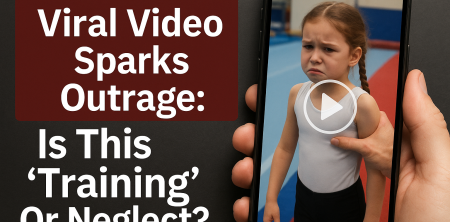
When a short video clip goes viral, it often ignites a firestorm of debate, and sometimes, it rips open deeply held societal beliefs about what's right and wrong. That's precisely what happened recently in Hong Kong's Tuen Mun area, where footage captured a 10-year-old girl laboriously carrying multiple packs of beer, her small frame visibly struggling, while her father stood nearby. The video, widely shared across social media platforms, didn't just elicit sympathy for the child; it triggered a furious discussion about parenting boundaries, child welfare, and the fine line between discipline and alleged ill-treatment. This incident is a stark reminder of the intense scrutiny modern parenting faces, bringing a fresh wave of parenting controversies into the spotlight.
The immediate public reaction was one of shock and concern. How could a parent allow their young child to carry such a heavy load, especially something as mundane as beer? The optics were terrible, painting a picture of a child being exploited for a task that seemed entirely inappropriate for her age. What followed was swift action from authorities. The girl’s parents were arrested on suspicion of ill-treatment or neglect, a serious charge that underscores the community's commitment to protecting children. Their defense? They claimed they were simply 'training' their daughter. This explanation, rather than quelling the outrage, only intensified the debate, forcing us all to confront uncomfortable questions about what constitutes beneficial training versus harmful imposition on a child.
The Viral Footage That Sparked a National Conversation
Imagine scrolling through your social media feed and stumbling upon a scene that makes your stomach clench. That's the experience many had when the video from Tuen Mun began circulating. It wasn't a staged advertisement or a quirky prank; it was raw, unedited footage of a real child in a real-life situation that felt deeply wrong to countless viewers. The girl, no older than 10, was seen lugging what appeared to be several large multi-packs of beer. Her posture, the way she shuffled, the clear effort etched on her face – it all communicated a burden far too great for her young body. Her father's proximity, seemingly observing without intervening, only amplified the discomfort.
In an age where every smartphone is a potential news camera, such incidents are quickly amplified, transcending local gossip to become global talking points. The power of a viral video lies in its ability to condense a complex situation into a few compelling seconds, often stripping away context and nuance, yet simultaneously forcing an immediate emotional response. This particular video tapped into universal instincts about protecting children, sparking an outpouring of anger, concern, and a desire for accountability. It became a flashpoint, not just for the specific family involved, but for broader discussions about child-rearing practices and the role of society in safeguarding its youngest members. These are the kinds of parenting controversies that truly make us question societal norms.
Arrest and the Parents' Defense: 'We Were Training Her'
The swift police action in response to the viral video was a clear signal that authorities took the public’s concerns seriously. The parents of the 10-year-old girl were arrested on suspicion of ill-treatment or neglect, a legal framework designed to protect children from harm, whether physical, emotional, or developmental. This isn't a minor infraction; it carries significant legal and social repercussions, highlighting the gravity of the allegations. When child welfare is perceived to be at risk, the state often intervenes, acting as a protector when parents are deemed to have fallen short.
However, the narrative took a fascinating turn when the parents offered their defense: they claimed they were simply 'training' their daughter. This explanation immediately introduced a layer of complexity and opened up a whole new dimension of debate. What exactly did they mean by 'training'? Were they attempting to instill responsibility, build physical strength, or prepare her for future tasks? For many, the idea of 'training' a child by making them carry heavy beer packs felt like a flimsy excuse for what looked like exploitation. Yet, for others, it might have resonated with traditional views on discipline and preparing children for the realities of life. This conflicting interpretation is at the heart of many parenting controversies.
The Expert View: Striking a Balance in Child Development
In the wake of such a contentious incident, expert opinions become crucial in helping us understand the nuances and establish healthy boundaries. Lam Ching-choi, a mental-health adviser, weighed in on the controversy, offering a much-needed perspective that acknowledged the benefits of certain types of training while firmly drawing lines around what is acceptable. He affirmed that exercise and responsibility can indeed benefit children. Engaging in physical activity helps develop motor skills, strength, and coordination, while contributing to household tasks can foster a sense of responsibility and competence.
However, Lam stressed a critical caveat: any training or disciplinary approach must occur within a safe, loving, and supportive environment. The distinction here is paramount. A child should feel encouraged and cared for, not intimidated, oppressed, or overburdened. When training crosses into an area where a child feels exploited, shamed, or physically endangered, it ceases to be beneficial and instead becomes detrimental. The key, as Lam highlighted, is the context and the child's emotional and physical well-being. Is the task age-appropriate? Is it done with the child's developmental stage in mind? Is there genuine care and guidance, or is it simply a demand? These are the questions that define responsible parenting, distinguishing it from actions that could be construed as neglect or ill-treatment.
Understanding Child Neglect and Ill-Treatment in the Modern Context
The terms 'child neglect' and 'ill-treatment' are often used interchangeably in public discourse, but legally and developmentally, they encompass a broad spectrum of behaviors and omissions. Neglect typically refers to a parent or caregiver's failure to provide for a child's basic needs, which can include adequate food, shelter, clothing, medical care, supervision, or emotional support. Ill-treatment, on the other hand, often implies active harm, whether physical, emotional, or sexual abuse. The Hong Kong case, where parents were arrested on suspicion of ill-treatment or neglect, points to the potential for overlap and the difficulty in drawing clear lines, especially when a parent claims their actions are for the child's 'benefit.' (See: Child welfare and mental health resources.)
In today's complex world, defining what constitutes neglect or ill-treatment can be particularly challenging. Cultural norms, socio-economic factors, and individual parenting philosophies all play a role. What one community views as strict discipline, another might see as abusive. However, there are universal principles of child welfare that most societies uphold: a child's right to safety, protection from harm, and the provision of basic needs for healthy development. When a child's physical or psychological well-being is demonstrably at risk, regardless of parental intent, intervention becomes necessary. This is where the legal system, social services, and medical professionals often step in to ensure the child's best interests are prioritized, often leading to intense parenting controversies.
The Role of Social Media in Amplifying Parenting Controversies
It's impossible to discuss the Tuen Mun incident without acknowledging the profound impact of social media. In previous decades, a similar incident might have been a local rumor, perhaps reported in a community newspaper, but it wouldn't have instantly become a global talking point. Today, a single video, shot on a mobile phone, can be uploaded and shared with millions in a matter of hours. This rapid dissemination has a dual effect: it can quickly mobilize public concern and bring critical issues to the attention of authorities, but it also creates a highly charged environment ripe for judgment and public shaming.
Social media platforms act as both a magnifying glass and a megaphone. They amplify individual incidents, making them feel larger and more significant, and they provide a platform for countless voices to weigh in, often without full context or understanding. While this can be a powerful tool for accountability and social justice, it also means that parents are under unprecedented scrutiny. A moment of perceived lapse in judgment, a disciplinary choice that looks questionable out of context, or even a cultural practice misunderstood by outsiders can quickly spiral into a full-blown public trial. This constant digital surveillance adds another layer of stress and complexity to the already challenging journey of parenthood, fuelling an endless cycle of parenting controversies.
Multidisciplinary Case Conferences: A Holistic Approach to Child Welfare
The authorities' decision to prepare a multidisciplinary case conference for the Tuen Mun incident highlights a crucial aspect of modern child welfare interventions. This isn't just a police matter; it's a situation that requires a holistic approach, bringing together a range of professionals to assess the child's overall well-being and determine the best path forward. Doctors, social workers, mental health professionals, and potentially educators will all contribute their expertise, creating a comprehensive picture of the child's physical health, emotional state, developmental needs, and home environment.
A multidisciplinary approach recognizes that child welfare is rarely a simple issue with a single solution. A child who appears to be neglected might also have underlying health issues, developmental delays, or emotional trauma. A family might be struggling with poverty, mental health challenges, or a lack of support systems, all of which impact their ability to parent effectively. By combining insights from various fields, these conferences aim to develop a tailored support plan that addresses the root causes of any problems, provides necessary resources to the family, and, most importantly, ensures the child's safety and healthy development. It's an intricate dance of protection, intervention, and support, often requiring delicate navigation through sensitive family dynamics and legal frameworks.
The Fine Line: Discipline, Responsibility, and Age-Appropriate Tasks
The Tuen Mun incident brings into sharp focus one of the perennial parenting controversies: where do we draw the line between instilling discipline and responsibility, and overworking or neglecting a child? Most parents want their children to grow up to be capable, resilient, and responsible adults. Part of that involves teaching them to contribute, to understand the value of work, and to develop a sense of self-reliance. This often translates into chores, age-appropriate tasks, and sometimes, physical challenges.
But what is 'age-appropriate'? A five-year-old can help set the table; a ten-year-old can wash dishes. But should a ten-year-old be regularly carrying loads that appear to strain their small body, especially in a public setting where they might feel vulnerable or embarrassed? The consensus among child development experts is that tasks should always be aligned with a child's physical and cognitive capabilities, and critically, they should be performed in a supportive, non-punitive manner. The goal is to build competence and confidence, not to create a sense of burden or resentment. When tasks become excessive, dangerous, or emotionally damaging, they cease to be constructive discipline and veer into the territory of exploitation or neglect. This is a nuanced area, often debated fiercely, with cultural and individual parenting styles adding layers of complexity.
Cultural Nuances and Global Parenting Perspectives
It's also important to consider that parenting practices, and what is deemed acceptable discipline or 'training,' can vary significantly across cultures. What might be seen as overly strict or even neglectful in one society could be considered a normal part of raising a resilient child in another. In some cultures, children are expected to contribute significantly to household chores or family businesses from a younger age, sometimes out of economic necessity, sometimes as a cultural tradition to foster responsibility and community spirit.
However, while cultural context is important, it doesn't always supersede universal principles of child welfare. There are international conventions, such as the UN Convention on the Rights of the Child, which outline basic rights for children globally, including protection from economic exploitation and from performing any work that is likely to be hazardous or to interfere with the child's education, or to be harmful to the child's health or physical, mental, spiritual, moral or social development. The Tuen Mun case, therefore, becomes a fascinating intersection of local cultural practices, global child welfare standards, and the scrutiny of the digital age, feeding into broader parenting controversies about what truly constitutes the 'best interests' of a child.
Beyond Physical Load: The Psychological Impact of Public Scrutiny
While the initial outrage focused on the physical burden placed on the child, we also need to consider the immense psychological toll this incident might take. Being the subject of a viral video, particularly one that portrays you in a vulnerable or struggling light, can be deeply traumatizing for a child. Imagine being 10 years old and realizing that millions of strangers have seen you at your weakest, judged your parents, and debated your family's actions. This level of public shaming, even if not directly aimed at the child, creates a hostile and invasive environment. (See: Global child health guidelines.)
Kids are incredibly perceptive. They pick up on the emotions around them, whether it's their parents' stress, the whispers from neighbors, or the online comments that, despite best efforts, might find their way to them. This can lead to feelings of shame, embarrassment, anxiety, or even resentment towards their parents or the public. Mental health experts often highlight the importance of protecting a child's privacy and dignity, especially during challenging family situations. The long-term psychological impact of such widespread public exposure could be far more damaging than the temporary physical strain of carrying a heavy load, underscoring another layer of complexity in these parenting controversies.
The Evolution of 'Discipline': From Physicality to Positive Reinforcement
The debate surrounding the Tuen Mun incident also reflects a broader societal shift in how we view and practice discipline. For generations, physical tasks and strict adherence to rules were often considered cornerstones of raising 'tough' or 'well-behaved' children. The idea that "what doesn't kill you makes you stronger" was a common refrain in many households.
However, modern child psychology and pedagogical approaches have increasingly moved towards positive reinforcement, clear communication, and fostering intrinsic motivation rather than relying on punitive or overly demanding methods. Experts now emphasize teaching self-control and problem-solving through guidance and logical consequences, rather than through fear or physical strain. While chores and responsibilities remain vital, the *how* and *why* behind them have changed. The goal is no longer just obedience, but to cultivate a child's understanding, empathy, and a genuine desire to contribute. When parents claim 'training' as a defense, it often clashes with these evolving understandings of effective and humane discipline, igniting predictable parenting controversies.
Economic Strain as a Factor in Parenting Decisions
While the video sparked immediate moral outrage, it's crucial to acknowledge that economic circumstances can sometimes heavily influence parenting decisions, even if they appear questionable to outsiders. In many parts of the world, including bustling cities like Hong Kong, families face immense financial pressure. Parents might be working multiple jobs, struggling to make ends meet, or simply trying to teach their children the realities of life in a demanding economy.
We don't know the full financial context of the family in Tuen Mun. Was the father unwell? Was the family facing an emergency? While these factors don't excuse neglect or ill-treatment, they can offer a broader perspective on why parents might make choices that seem baffling or harsh from a more privileged standpoint. Poverty, for instance, is a significant risk factor for child neglect globally, not because parents love their children less, but because they often lack the resources, time, and support systems to provide optimal care. Understanding the socio-economic backdrop, while not absolving responsibility, can help foster a more empathetic and constructive approach to intervention, moving beyond simple judgment to offer genuine support.
Future Safeguards: What Can Be Done to Prevent Similar Incidents?
When high-profile parenting controversies like the Tuen Mun case emerge, they often prompt calls for stricter regulations, better reporting mechanisms, and increased public awareness. What tangible steps can communities and governments take to prevent similar incidents and better protect children?
- Enhanced Public Awareness Campaigns: Educating parents and the wider community about age-appropriate tasks, the signs of neglect, and the importance of positive discipline can be a powerful preventative measure.
- Accessible Support Systems: Ensuring families have easy access to social services, mental health support, parenting classes, and financial assistance can alleviate some pressures that lead to questionable parenting choices.
- Clear Reporting Channels: Making it straightforward and safe for concerned citizens to report potential child welfare issues to authorities, while also protecting whistleblowers, is essential.
- Community Watch Programs: Local initiatives where neighbors look out for each other and children can create a stronger safety net, fostering a sense of collective responsibility for child well-being.
- Mandatory Training for Professionals: Those working with children (teachers, doctors, daycare providers) need ongoing training to identify and respond to signs of neglect or abuse.
Ultimately, preventing such incidents requires a multi-pronged approach that combines legal protections with robust social support and a culturally sensitive understanding of family dynamics.
FAQ: Addressing Common Questions about Parenting Controversies
Q1: What defines 'age-appropriate' tasks for children?
A1: 'Age-appropriate' tasks are activities that align with a child's physical, cognitive, and emotional developmental stage. For example, a 3-year-old can put toys away, a 6-year-old can make their bed, and a 10-year-old can help with meal prep or light yard work. The key is that the task shouldn't be physically dangerous, emotionally overwhelming, or take away from essential activities like school and play. It should build competence, not create a burden. (See: Latest news on child welfare issues.)
Q2: How can I tell if a child is being 'trained' or 'exploited'?
A2: The difference often lies in the context, duration, and impact on the child. Training usually involves parental guidance, positive encouragement, and tasks that are manageable and contribute to the child's development. Exploitation, on the other hand, often involves tasks that are excessive, dangerous, carried out without adequate supervision, done primarily for the parent's benefit, or cause the child physical or emotional distress, shame, or injury. If a child consistently appears exhausted, sad, or fearful during or after tasks, it's a red flag.
Q3: Does cultural background excuse practices that might be considered neglectful in another culture?
A3: While cultural context is important and should be understood, it doesn't automatically excuse practices that violate universal child welfare principles. International conventions, like the UN Convention on the Rights of the Child, establish basic protections for children globally, including protection from harm, exploitation, and abuse. If a cultural practice consistently puts a child's physical or psychological well-being at severe risk, intervention is generally considered necessary, regardless of cultural intent.
Q4: What should I do if I see something concerning on social media, like the Tuen Mun video?
A4: If you encounter a video or image online that genuinely concerns you regarding a child's safety or well-being, the best course of action is to report it to the relevant authorities in the location where the incident occurred. Many police departments or child protective services agencies have online reporting tools. Sharing it widely on social media without reporting it to authorities might increase public shaming and stress for the child and family, but it doesn't directly trigger an intervention from professionals who can help.
Q5: How can parents balance teaching responsibility with protecting their child's childhood?
A5: It's a delicate balance! Focus on age-appropriate chores that foster a sense of contribution and competence. Involve children in decision-making when possible, explaining why tasks are important. Ensure there's still ample time for play, education, and social development. Praise effort, not just outcomes. The goal is to raise capable adults who also had a joyful and protected childhood, understanding that childhood is a unique developmental stage with its own needs and rights.
The Lingering Questions and the Path Forward
The Tuen Mun 'beer-girl' controversy, as it has been dubbed, leaves us with more questions than easy answers. What was the true intent of the parents? Were they genuinely trying to instill a strong work ethic, albeit in a misguided way, or was there a deeper, more troubling dynamic at play? How will this incident impact the young girl, not just physically, but emotionally and psychologically?
For society, the incident serves as a powerful mirror, reflecting our collective anxieties and beliefs about childhood, responsibility, and the boundaries of parental authority. It forces us to engage in uncomfortable conversations about intervention, cultural sensitivity, and the pervasive influence of social media. As authorities proceed with their multidisciplinary case conference, the hope is that a resolution will emerge that prioritizes the welfare of the child, offers appropriate support to the family, and perhaps, provides some clarity on these contentious issues. Ultimately, incidents like these remind us that parenting is a constantly evolving challenge, scrutinized more than ever, and perpetually subject to intense public debate and reassessment.
Trending Now
- VR Surgical Simulators Are Quietly Reshaping…
- Unbelievable: VR Surgical Training Is Cutting…
- our breakdown of the silent threat to gen z’s finances: why this new app is a game-changer
- this guide on why gen z’s money game is changing: the 9 best gamified finance apps you need to see
Frequently Asked Questions
What happened in the viral video from Hong Kong?
The viral video from Tuen Mun, Hong Kong, shows a 10-year-old girl struggling to carry multiple packs of beer while her father stands nearby. This footage sparked outrage and debate over parenting practices, child welfare, and the fine line between discipline and neglect.
Why did the girl's parents get arrested?
The girl's parents were arrested on suspicion of ill-treatment or neglect after the video went viral. The community expressed concern over the appropriateness of allowing a young child to carry heavy loads, leading authorities to take swift action.
What was the parents' defense for their actions?
The parents claimed they were 'training' their daughter by allowing her to carry the heavy packs. However, this explanation did not alleviate public outrage and intensified the debate about what constitutes beneficial training versus harmful imposition.
What are the societal implications of this incident?
This incident highlights the intense scrutiny modern parenting faces and raises questions about child welfare. It has sparked a broader national conversation about parenting boundaries and the responsibilities of parents in ensuring their children's safety and well-being.
How did the public react to the video?
The public reaction was one of shock and concern, with many viewers expressing sympathy for the child and outrage at the apparent exploitation. The video prompted widespread discussions about parenting practices and the treatment of children in similar situations.
Agree or disagree? Drop a comment and tell us what you think.


0 Responses