```html
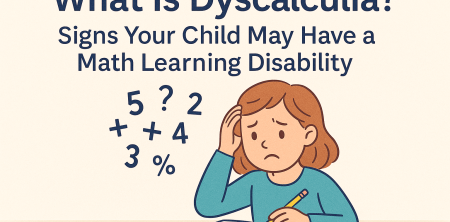
Dyscalculia, often referred to as a math learning disability, is a condition that affects a child's ability to understand numbers and perform mathematical calculations. Just like dyslexia is related to reading difficulties, dyscalculia is specifically concerned with challenges in math. It's crucial for parents and educators to recognize the dyscalculia signs early. Untreated, this condition can hinder a child’s academic performance and self-esteem. In this comprehensive article, we’ll explore the key aspects of dyscalculia, its signs, and practical insights for parents and teachers.
Understanding Dyscalculia
Dyscalculia is classified as a specific learning disorder that impairs a child's ability to learn and understand mathematics. Studies estimate that approximately 5% to 7% of the population experiences some degree of dyscalculia. It can manifest in various forms, such as difficulty with basic arithmetic, trouble with understanding concepts like time or money, and problems with visual-spatial skills.
The exact cause of dyscalculia remains uncertain. However, researchers have noted that it may be related to differences in brain function, genetic factors, or environmental influences. Importantly, dyscalculia is not a reflection of a child's intelligence. Many children with dyscalculia are highly intelligent but struggle to grasp mathematical concepts.
The Importance of Early Identification
Identifying dyscalculia early is crucial. The sooner a child receives support and intervention, the better their chances of overcoming challenges associated with this learning disability. Early signs often appear in preschool or kindergarten when children begin to learn basic math skills. Parents and teachers should be vigilant for dyscalculia signs that could indicate a need for further assessment.
It's also vital to understand that each child may exhibit different signs. While some may struggle with number recognition, others might find it difficult to grasp more complex concepts like addition or subtraction. Tailored interventions can make a tremendous difference in helping children succeed.
Common Dyscalculia Signs in Young Children
Recognizing the signs of dyscalculia can help parents and teachers provide timely support. Here are some of the most common dyscalculia signs in young children:
- Difficulty with Number Recognition: Many kids with dyscalculia struggle to recognize numbers or may confuse similar-looking digits.
- Struggles with Basic Arithmetic: Children may have a tough time mastering simple math operations like addition and subtraction, often relying on fingers or counting objects.
- Challenges with Time and Measurement: Kids may have difficulty understanding the concept of time, such as days of the week or timelines, as well as measuring length or weight.
- Inconsistent Math Performance: A child who may excel in other subjects might suddenly struggle with math, showing a marked difference in performance.
These early signs are crucial indicators of potential dyscalculia, and understanding them can guide parents in seeking appropriate assessments.
Recognizing Dyscalculia Signs in School-Aged Children
Once a child enters school, signs of dyscalculia can become more pronounced, especially as math becomes more complex. Here are additional dyscalculia signs to be aware of:
- Poor Mental Math Skills: Children may struggle to perform calculations mentally, often relying on calculators or written methods.
- Difficulty Following Math Procedures: Kids may find it hard to follow multi-step math problems or struggle with word problems that require comprehension.
- Poor Spatial Awareness: This can manifest as trouble with understanding graphs, charts, or maps, making it difficult for the child to relate visual information to mathematical concepts.
- Memory Issues: Children with dyscalculia often experience difficulties recalling math facts or formulas, which can lead to frustration.
It's essential to approach these signs with sensitivity. Children may feel embarrassed or discouraged about their challenges, so fostering a supportive environment is vital. (See: Understanding dyscalculia from NIH.)
Evaluating for Dyscalculia
If you suspect your child may have dyscalculia, the next step is evaluation. An evaluation typically involves a comprehensive assessment by educational psychologists or specialists in learning disabilities. The assessment may include standardized tests that measure mathematical abilities, cognitive skills, and other relevant factors.
Parents should prepare for this evaluation by documenting their child's struggles and behaviors related to math. Keeping a journal of specific instances where the child faced difficulty can provide valuable insight to professionals. Open communication with teachers can also help gather additional observations and assessments.
Interventions and Support Strategies
Once dyscalculia is identified, various interventions and support strategies can help children overcome their challenges. Here are some effective methods:
- Individualized Education Plans (IEPs): For children in school, an IEP can provide tailored learning goals and accommodations, such as extended time for tests or alternative teaching methods.
- Multisensory Learning Techniques: Engaging multiple senses can help reinforce mathematical concepts. This might include using physical objects for counting, visual aids, or interactive games.
- Technology-Assisted Tools: Many educational apps focus on math skills and can provide engaging ways for children to practice and learn at their own pace.
- Regular Math Practice: Structured practice can be beneficial. Short, frequent practice sessions may be more effective than longer, infrequent ones.
These strategies can help children build confidence and proficiency in math, making learning more enjoyable.
The Role of Parents and Educators
Parents and educators play a crucial role in identifying and supporting children with dyscalculia. Communication between home and school is vital. Educators need to be equipped to recognize dyscalculia signs in the classroom and provide appropriate support. This might include differentiated instruction or collaborating with special education professionals.
At home, parents should create a supportive environment where math is integrated into daily life. Activities like cooking (which involves measurements), shopping (calculating costs), or playing math-related games can make learning fun and relevant. Encouraging a positive attitude towards math can also help reduce anxiety related to the subject.
Long-Term Effects of Dyscalculia
Without intervention, dyscalculia can have lasting effects on a child’s academic journey. Many individuals may struggle with math throughout their schooling, leading to challenges in higher education and certain career paths. Additionally, social and emotional effects can arise, as children may feel frustrated or embarrassed by their difficulties.
However, with appropriate support and intervention, many children with dyscalculia develop effective coping strategies and can achieve success in math and other subjects. Awareness and understanding are key to fostering resilience and confidence.
Current Research and Resources
The field of dyscalculia research is continually evolving, with studies exploring its neurological underpinnings, effective teaching strategies, and the long-term outcomes for individuals with this learning disability. Organizations such as the International Dyslexia Association (IDA) and the National Center for Learning Disabilities (NCLD) provide resources and support for families and educators.
Parents should also consider connecting with local support groups or online communities. Sharing experiences and strategies with other families can provide additional insights and reduce feelings of isolation. (See: CDC resources on learning disabilities.)
Strategies for Parents: Supporting Your Child at Home
Being proactive at home can significantly impact your child's progress in dealing with dyscalculia. Here are some practical strategies parents can implement:
- Create a Math-Friendly Environment: Make math a part of daily conversations and activities. Use everyday situations like grocery shopping to discuss prices, discounts, and budgeting, making math relatable and practical.
- Use Visual Aids: Visual aids, such as charts, diagrams, and pictures, can help children grasp complex mathematical concepts. For instance, using a number line to show addition or subtraction can clarify the process.
- Incorporate Games: Board games that involve counting, dice rolling, or strategy can make math fun. Games like Monopoly or even card games can help reinforce math skills without the pressure of formal practice.
- Be Patient and Encouraging: Celebrate small victories and progress, no matter how minor. A supportive attitude can boost your child's confidence and make them more willing to engage with math challenges.
Common Misconceptions About Dyscalculia
Many myths surround dyscalculia that can lead to misunderstanding and misdiagnosis. Here are some common misconceptions:
- Dyscalculia is the Same as Poor Math Skills: Dyscalculia is a specific learning disability that affects how individuals process mathematical information, whereas poor math skills can arise from a lack of practice or exposure.
- Only Children Can Have Dyscalculia: While it is often diagnosed in childhood, adults can also experience dyscalculia, which may impact their careers and daily life.
- All Children with Dyscalculia will Struggle Forever: With appropriate interventions and support, many individuals with dyscalculia can learn to manage their symptoms and succeed academically.
Expert Perspectives on Dyscalculia
Experts in the field of learning disabilities emphasize the importance of understanding dyscalculia as a unique condition. Dr. Brian Butterworth, a renowned cognitive neuroscientist, points out that the brain processes numerical information differently in individuals with dyscalculia. He suggests that early intervention, tailored teaching methods, and the use of technological aids can significantly improve outcomes.
Additionally, educational psychologist Dr. Karen E. O’Rourke advocates for greater awareness among educators about dyscalculia signs and symptoms. She notes that many teachers feel ill-prepared to support students with unique learning needs, highlighting the necessity for professional development in this area.
Practical Activities to Support Learning
Supporting a child with dyscalculia at home can also involve engaging them in practical activities that reinforce mathematical concepts in a fun and relatable way. Here are some great examples:
- Cooking: Involve your child in cooking activities where they need to measure ingredients. This not only helps them practice their measurement skills but also teaches them about fractions and conversions.
- Sports: Encourage participation in sports that require scorekeeping or calculating statistics. Activities such as tracking points in a basketball game can make math feel relevant and exciting.
- Gardening: Help your child plan a garden, which involves calculating space, understanding growth patterns, and measuring plant growth over time. This integrates math with nature and responsibility.
- Shopping: Turn grocery shopping into a math game where your child calculates costs, compares prices, or keeps track of spending within a budget.
Statistics on Dyscalculia
Understanding the prevalence and impact of dyscalculia can help underscore the importance of awareness and intervention. Here are some noteworthy statistics:
- Approximately 5% to 7% of the population is estimated to have dyscalculia, similar to dyslexia in terms of prevalence.
- Research shows that children with dyscalculia may score significantly lower on math assessments compared to their peers, with disparities sometimes exceeding two standard deviations.
- A study indicated that around 40% of children with dyscalculia experienced anxiety related to math, impacting their overall performance in school.
- Long-term studies suggest that individuals with dyscalculia may have difficulties in adult life, with a significant percentage reporting challenges in job performance in fields requiring mathematical skills.
FAQs About Dyscalculia
1. What are the primary symptoms of dyscalculia?
The primary symptoms include difficulty with number recognition, problems with basic arithmetic, challenges in understanding time and measurement, and inconsistent math performance.
2. Can dyscalculia be diagnosed in adults?
Yes, dyscalculia can be diagnosed in adults. Many may not have been aware of their condition during childhood and might face challenges in their professional lives due to this learning disability. (See: WHO fact sheet on learning disabilities.)
3. Are there any specific careers that individuals with dyscalculia should avoid?
While individuals with dyscalculia can succeed in many careers, fields that heavily rely on advanced mathematical skills, such as engineering or finance, might present more significant challenges. However, many people with dyscalculia find success in creative or analytical roles where their strengths can shine.
4. Is dyscalculia hereditary?
Research suggests that dyscalculia can have a genetic component, meaning it may run in families. If a parent has dyscalculia, the likelihood of their child also experiencing similar challenges may increase.
5. How can technology help children with dyscalculia?
Technology offers various apps and software designed to make learning math engaging and interactive. These tools can provide personalized practice, visual aids, and gamified learning experiences, catering to the unique needs of children with dyscalculia.
6. What types of assessments are used to diagnose dyscalculia?
Diagnosing dyscalculia usually involves a combination of standardized assessments that evaluate mathematical abilities, cognitive skills, and academic history. These assessments may include performance tests, interviews, and observations from teachers and parents.
7. How can I help my child feel less anxious about math?
Encouraging a positive attitude towards math is key. This can be achieved by providing a supportive environment, celebrating achievements, using engaging learning methods, and reminding them that it’s okay to make mistakes and learn from them.
Conclusion: Empowering Your Child
Recognizing dyscalculia signs can be the first step toward empowering your child to overcome their challenges in math. With the right support, interventions, and understanding, children with dyscalculia can thrive academically and develop a positive relationship with math. Keep an open line of communication with educators, advocate for your child’s needs, and explore various resources available to support their learning journey. In doing so, you will not only help them tackle math difficulties but also equip them with essential skills for life.
```
Trending Now
Frequently Asked Questions
What are the signs of dyscalculia in children?
Signs of dyscalculia in children may include difficulty with basic arithmetic, trouble understanding concepts like time or money, challenges with number recognition, and problems with visual-spatial skills. Early identification is crucial, as recognizing these signs can lead to timely support and intervention.
How is dyscalculia diagnosed?
Dyscalculia is typically diagnosed through a comprehensive evaluation by a psychologist or educational specialist. This assessment may include standardized tests, observation of the child's math skills, and gathering information from parents and teachers to understand the child's learning patterns and challenges.
Can children with dyscalculia still excel academically?
Yes, children with dyscalculia can excel academically. The condition does not reflect a child's overall intelligence. With appropriate support, interventions, and tailored teaching strategies, many children with dyscalculia can improve their math skills and succeed in their academic pursuits.
What causes dyscalculia?
The exact cause of dyscalculia is not fully understood, but it may be linked to differences in brain function, genetic factors, or environmental influences. It is important to note that dyscalculia is not related to a child’s intelligence; many affected children are highly capable in other areas.
What interventions can help children with dyscalculia?
Interventions for children with dyscalculia may include specialized tutoring, the use of visual aids and manipulatives, and tailored instructional strategies that focus on individual learning styles. Early intervention is key to helping children develop effective math skills and boost their confidence.
Agree or disagree? Drop a comment and tell us what you think.

