```html
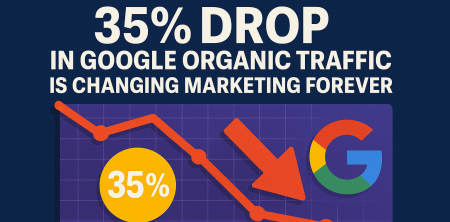
The landscape of digital marketing is shifting dramatically, with marketers facing a staggering 35% drop in Google organic traffic anticipated for 2026. This decline is sparking urgent conversations among business owners and marketers alike, igniting fears of a marketing apocalypse where traditional SEO strategies are no longer effective. As search engines evolve and user behavior shifts, brands are forced to adapt or risk losing their audience altogether.
The Impact of the Google Organic Traffic Decrease
When we talk about a Google organic traffic decrease, we’re not just referring to numbers; we’re discussing a fundamental change in how consumers interact with information online. The projected 35% drop is not merely the result of fluctuating algorithms or seasonal trends; it highlights a larger problem of search fragmentation. Users find answers more quickly than ever before, often bypassing traditional website visits entirely. As a result, marketers are scrambling to understand how to maintain their presence in a landscape where clicks are no longer guaranteed.
Search Fragmentation: A Growing Concern
Search fragmentation refers to the phenomenon where users access information from a variety of platforms, not just Google. Instead of solely relying on search engines, consumers engage with social media, voice-activated assistants, and AI-driven solutions. This shift means that brands can no longer depend on organic search traffic as their primary driver of visibility. Instead, they must diversify their marketing strategies to capture audiences across multiple channels.
As AI assumes a more significant role in delivering information—often directing users straight to answers without requiring them to click through to websites—marketers must rethink their approach. The reliance on traditional SEO tactics is becoming less effective, leading to a critical need for innovative strategies. Ignoring this trend can lead to a permanent traffic decline, leaving businesses struggling to connect with their customers.
The Rise of AI-Driven Answers
Artificial intelligence has reshaped search engines, providing instant answers to user queries. These AI-driven responses often appear at the top of search results, effectively sidelining traditional website visits. For instance, features like Google’s featured snippets and direct answers reduce the need for users to click on various links, drastically impacting organic traffic for many businesses.
Marketers must now compete not only with each other but also with AI and automated solutions capable of delivering information faster and more efficiently. This shift has led to a profound change in how brands approach content creation, pushing them to prioritize quality over quantity. If your content isn’t structured to be easily digestible by AI, you risk losing visibility altogether.
Quality Over Quantity: A New Paradigm
With the anticipated google organic traffic decrease, the focus is shifting from sheer volume of traffic to the quality of user engagement. Businesses need to prioritize conversion quality, meaning they should aim to attract visitors who are more likely to engage with their content, purchase products, or take action. This shift requires a more nuanced understanding of the target audience and their behaviors.
Instead of chasing high traffic numbers, marketers should assess which keywords drive genuine engagement and conversions. High-quality content that addresses user intent will become the cornerstone of effective SEO strategies. Brands must invest in understanding their audience's needs, creating valuable content that resonates, and optimizing for conversions rather than mere clicks.
Embracing Rich Features for Visibility
To combat the google organic traffic decrease, leveraging rich features such as FAQ schema and structured data is becoming essential. These enhancements allow search engines to better understand your content and present it in a more engaging manner. By utilizing structured data, businesses can provide search engines with specific information about their offerings, increasing the likelihood of appearing in rich snippets or answer boxes. (the SEO update analysis)
Ignoring these features could lead to a significant loss of traffic. As the competition for visibility intensifies, brands without these enhancements may find themselves overshadowed by those who do leverage them. Staying informed about the latest trends and updates in search engine technology is crucial for any brand looking to maintain or improve its online presence. (See: impact of digital communication trends.)
The Emotional Reaction in the Marketing Community
The impending drop in Google organic traffic is stirring a mix of panic and urgency among marketers. Social media is flooded with posts from agencies sharing their clients' traffic collapses, creating an emotionally charged atmosphere where fear of missing out (FOMO) is palpable. Business owners are experiencing a deep sense of anxiety, worrying that their marketing budgets have become ineffective overnight.
This emotional response highlights the need for transparency and communication within the marketing community. As agencies share their challenges and experiences, it’s vital to foster a supportive environment where ideas and strategies can be exchanged. Navigating this evolving landscape requires collaboration and adaptability, and the more open marketers are about their struggles, the better equipped everyone will be to tackle the shifting tides.
Strategies to Win Back Lost Traffic
To mitigate the effects of the google organic traffic decrease, businesses must adopt proactive strategies. Here are a few actionable tips:
- Focus on User Experience: Ensure your website is mobile-friendly, loads quickly, and provides a seamless browsing experience. Google prioritizes sites that offer great user experiences, which can improve your rankings.
- Invest in Quality Content: Create content that addresses your audience's specific needs and questions. Long-form content, guides, and comprehensive resources are more likely to engage visitors.
- Utilize Social Media: Engage with your audience on social platforms. Use them to drive traffic back to your website through quality posts and interactions.
- Explore Alternative Traffic Sources: Don’t rely solely on Google for traffic. Consider diversifying your marketing efforts through email campaigns, partnerships, and influencer collaborations.
- Monitor Performance: Use analytics tools to track your website's performance and understand what is working and what isn’t. This data will help inform your strategy moving forward.
The Role of Data Analytics
As marketers face a potential google organic traffic decrease, data analytics has never been more critical. Understanding user behavior, traffic patterns, and conversion rates is essential to fine-tuning marketing strategies. By leveraging analytics tools, businesses can gain insights into what drives engagement and which areas need improvement.
This data-driven approach allows marketers to pivot quickly, adapting their strategies based on real-time performance. It’s not just about monitoring traffic numbers; it’s about understanding the story behind those numbers. By delving into user behavior analytics, marketers can uncover trends, identify opportunities, and develop effective strategies to reclaim lost traffic.
Preparation for Future Changes
The anticipated decline in organic traffic is just one piece of a larger puzzle. As technology continues to evolve, so too will the digital marketing landscape. Marketers must remain vigilant, regularly updating their knowledge and adapting their strategies in response to emerging trends and technologies.
Investing in ongoing education, attending industry conferences, and following thought leaders in the space will keep you informed about the latest developments. The more prepared you are for changes, the better equipped you’ll be to navigate the challenges that come with them.
Engaging with Emerging Technologies
As we adapt to a world where google organic traffic decreases, becoming familiar with emerging technologies can help brands stay ahead. Technologies like augmented reality (AR) and virtual reality (VR) are gaining traction, offering new ways to engage customers. For instance, brands in retail can use AR to create immersive shopping experiences, allowing users to visualize products in their own space before purchase. This kind of interaction not only captivates users but also drives traffic in innovative ways, bypassing traditional search engines entirely.
Similarly, chatbots and intelligent virtual assistants are becoming essential tools for businesses. These AI-driven platforms can engage users, answer queries, and guide them through purchasing decisions without them needing to visit a website. As these technologies evolve, they may play a significant role in how brands connect with their audiences and maintain traffic levels in an increasingly fragmented search environment.
Understanding Consumer Behavior Changes
The anticipated reduction in Google organic traffic is also tied to changing consumer behavior. A study by HubSpot found that 70% of consumers prefer to engage with brands via formats they find most convenient, often through social media platforms or messaging apps instead of traditional search engines. This shift indicates a growing expectation for immediate, personalized communication that emphasizes convenience and efficiency. (See: Google's evolving search algorithms.)
Brand strategies must adapt to these preferences. An omnichannel approach, which integrates various marketing channels, is becoming crucial. By providing a seamless experience across different platforms—such as social media, email, and websites—brands can ensure they remain visible and relevant to their audience. Engaging with users on their preferred platforms can significantly mitigate the risks associated with the decrease in Google organic traffic.
Building a Strong Community
Creating a community around your brand is another effective strategy to combat the google organic traffic decrease. Engaged communities foster loyalty and can lead to organic referrals as members advocate for your products or services. Online forums, dedicated groups on social media, or even brand-sponsored events can help create a sense of belonging among your audience.
These communities not only provide valuable feedback about your offerings but also keep your brand top-of-mind. When users feel connected to a brand, they are more likely to share content, recommend products, and engage with the brand across multiple platforms, creating a buffer against decreasing organic traffic from search engines.
FAQ: Addressing Common Concerns about Google Organic Traffic Decrease
What causes Google organic traffic to decrease?
Several factors contribute to a decrease in Google organic traffic, including algorithm changes, increased competition, shifts in consumer behavior, and the rise of AI-driven search features that provide answers without requiring clicks to websites.
How can I track changes in my organic traffic?
You can track changes in organic traffic using tools like Google Analytics, which provides insights into user behavior, traffic sources, and engagement metrics. Monitoring these statistics regularly can help you identify issues and adapt your strategies effectively.
Is it possible to recover lost organic traffic?
Yes, recovering lost organic traffic is possible with the right strategies. Focusing on high-quality content, improving user experience, exploring alternative traffic sources, and utilizing data analytics can help you regain visibility and attract more visitors.
What role does social media play in driving traffic now?
Social media plays a crucial role in driving traffic as it offers platforms for direct engagement with consumers. Brands can share content, connect with their audience, and create promotional campaigns that drive traffic back to their websites, especially as organic search traffic declines.
How can I optimize my website for AI-driven search features?
To optimize for AI-driven search features, implement structured data markup, focus on creating concise and informative content, and utilize rich snippets. These practices help search engines better understand your content and increase the likelihood of appearing in featured answers or snippets.
Case Studies: Successful Adaptation to Decreased Organic Traffic
Understanding how other businesses have successfully adapted to a decrease in Google organic traffic can provide valuable insights. Take, for example, a local restaurant that traditionally relied on search engines for reservations and orders. After noticing a significant drop in organic traffic, they shifted their strategy to focus on social media engagement and partnerships with local influencers. (See: search fragmentation in digital marketing.) AI in marketing strategies offers useful background here.
By hosting interactive events and sharing user-generated content, the restaurant saw a spike in engagement across platforms. Their approach not only drew in new customers but also encouraged repeat business, proving that adapting to changing consumer behavior can lead to a resurgence in traffic and sales.
Statistics that Highlight the Shift in Organic Traffic
To better understand the crisis at hand, consider these statistics: a report by SEMrush noted that 60% of marketers have reported a decline in their organic search performance over the past year. Similarly, a survey from Marketing Land revealed that 50% of businesses now allocate a larger portion of their budget to social media and alternative digital marketing strategies in response to declining organic traffic.
These figures illustrate a clear trend: the digital marketing landscape is shifting away from traditional SEO and organic search reliance. If businesses want to survive and thrive, they must recognize and act on these changes.
Expert Opinions on Overcoming Organic Traffic Decrease
Experts in the digital marketing field emphasize the importance of adaptability. Neil Patel, a well-known figure in digital marketing, asserts that “the best way to combat decreasing organic traffic is to diversify your marketing strategies and invest in high-quality, user-focused content.” His insights echo the sentiment that brands can no longer afford to put all their eggs in one basket.
Similarly, Rand Fishkin, the co-founder of Moz and SparkToro, mentions, “As algorithms get smarter, content must evolve. Engaging with your audience where they are, whether that’s through social media or different content formats, is key to maintaining visibility and relevance.” Such perspectives underscore the necessity of embracing change and leveraging various channels to connect with consumers.
Final Thoughts: Adapting to Change
The looming google organic traffic decrease is a wake-up call for marketers everywhere. As traditional strategies begin to fail, the importance of adaptability and innovation cannot be overstated. Brands that prioritize quality content, embrace new features, and stay attuned to their audience will be best positioned to thrive in this evolving landscape.
Ultimately, the key lies not just in weathering the storm but in learning to anticipate the winds of change. By preparing for future challenges and embracing a dynamic approach to marketing, businesses can reclaim lost traffic and pave the way for sustained success.
```
Trending Now
Frequently Asked Questions
What is causing the 35% drop in Google organic traffic?
The anticipated 35% drop in Google organic traffic by 2026 is attributed to search fragmentation, where users increasingly find information through various platforms like social media and AI-driven solutions, rather than traditional search engines. This shift is forcing marketers to adapt their strategies to maintain visibility.
How will the decline in organic traffic affect digital marketing?
The decline in organic traffic will fundamentally change digital marketing, as traditional SEO strategies become less effective. Marketers will need to diversify their approaches, utilizing various channels to capture audiences, as reliance on organic search alone is no longer viable.
What is search fragmentation?
Search fragmentation refers to the trend where users access information from multiple platforms, including social media and voice assistants, rather than exclusively relying on Google. This shift alters how consumers interact with information, impacting how brands approach digital marketing.
What should marketers do in response to declining organic traffic?
Marketers should rethink their strategies by diversifying their marketing efforts across multiple channels, such as social media and AI platforms, rather than relying solely on traditional SEO. Embracing innovative approaches is essential to remain relevant in a changing landscape.
Is traditional SEO still effective?
Traditional SEO is becoming less effective due to the increasing reliance on AI and search fragmentation. As users find information directly without clicking through to websites, marketers must adapt their strategies to maintain visibility and engagement with their audiences.
What's your take on this? Share your thoughts in the comments below — we read every one.

