```html
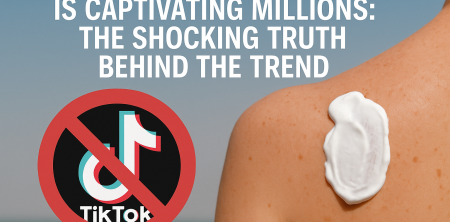
In a world where social media dictates much of our beauty and wellness beliefs, TikTok has taken the concept of skin protection and turned it upside down. The recent surge in anti-sunscreen TikTok content is a striking example of how misinformation can gain traction in the digital age, captivating audiences and generating intense debate. As more creators post content that challenges conventional wisdom about sunscreen use, it raises critical questions about the intersection of beauty standards, health, and the allure of viral content.
Understanding the Anti-Sunscreen Trend
At the core of the anti-sunscreen TikTok phenomenon is a disturbing trend: a study has revealed that misinformation surrounding sunscreen generates far higher engagement rates than factual content. This engagement isn’t just passive; it fuels a cycle of discussions, duets, and stitches that amplify the visibility of these videos. The shock value of claims that contradict established dermatological advice captivates viewers, prompting them to share, comment, and create their own content.
What’s driving this viral appeal? A combination of emotional responses and societal fears around skin health, beauty, and wellness. Many of these videos tap into common fears of chemical exposure, skin damage, and even the societal pressure to look a certain way. It’s a potent mix that resonates deeply with a generation that’s both eager to protect their skin and wary of traditional advice.
The Science Behind Sunscreen
Before diving deeper into the anti-sunscreen TikTok trend, it’s crucial to understand the science of sunscreen itself. Sunscreens are designed to protect the skin from harmful ultraviolet (UV) rays that can lead to skin cancer, premature aging, and other skin issues. Dermatologists usually recommend applying sunscreen daily, regardless of the weather, as UV rays can penetrate clouds and windows.
Yet, some TikTok creators are promoting the idea that sunscreen is unnecessary or even harmful. They argue that the chemicals in sunscreen could be more damaging than sun exposure itself, often without any credible scientific backing. This claim, while shocking, attracts viewers because it plays into existing fears about chemical use in skincare products.
Why Misinformation Thrives on TikTok
One of the main reasons the anti-sunscreen TikTok content resonates is the platform's algorithm, which favors engagement over accuracy. When a video garners likes and shares, it gets pushed to a wider audience, creating a snowball effect. Misinformation thrives because it's often sensational and emotionally charged, drawing viewers in with promises of radical new insights or alarming warnings.
This emotional engagement is further amplified by TikTok's unique format. Short, punchy videos lend themselves to bold statements and eye-catching visuals, making it easier for creators to present their arguments in a way that feels immediate and compelling. The result is a landscape where sensational claims get more visibility and interaction than nuanced discussions grounded in scientific evidence.
The Role of Fear in Wellness Trends
Fear is a powerful motivator, especially in the realm of health and beauty. The anti-sunscreen TikTok trend taps into deep-seated fears about skin damage, cancer, and societal pressure to conform to beauty standards. By presenting a narrative that opposes mainstream advice, creators are able to generate a sense of urgency and concern among viewers.
Potential health implications also drive the conversation. Many viewers are genuinely frightened by the idea of ‘toxic’ ingredients in their skincare products. When creators frame their arguments around the potential dangers of sunscreen, they not only capture attention but also foster a community narrative around natural beauty, which can be particularly appealing in a time of increased environmental consciousness.
The Impact on Consumer Behavior
The ripple effects of the anti-sunscreen TikTok trend extend beyond mere social media engagement; they impact consumer behavior in substantive ways. As viewers are exposed to these ideas, they may begin to question their existing skincare routines, potentially abandoning sunscreen altogether. This shift can have serious implications for skin health, especially for younger audiences who may be less informed about the long-term effects of sun exposure.
Moreover, brands that promote sunscreen are now faced with the challenge of countering this misinformation. They must engage with consumers in a way that emphasizes the importance of sun protection without sounding defensive or dismissive of concerns. This has prompted some brands to rethink their marketing strategies, focusing on transparency and education to combat the growing skepticism surrounding their products. (See: CDC on sun safety and skin protection.)
Debunking the Myths: What Experts Say
In response to the wave of anti-sunscreen TikTok videos, dermatologists and skin health experts have made attempts to debunk the myths surrounding sunscreen. They emphasize that while it’s important to be aware of what’s in the products we use, the benefits of sunscreen in preventing skin cancer and sun damage far outweigh the potential risks associated with certain chemical ingredients.
For instance, many dermatologists highlight that the ingredients commonly found in sunscreens, such as oxybenzone and avobenzone, have been thoroughly reviewed and deemed safe for use by multiple health organizations, including the FDA and the American Academy of Dermatology. They argue that the real danger lies in unprotected sun exposure, which can lead to severe health issues over time. Related reading: self diagnosis risks explained.
Emotional Appeal and Relatability
What keeps the anti-sunscreen TikTok content circulating is its emotional appeal. Many creators frame their arguments in relatable, personal stories that resonate with their audience. They often share experiences of skin problems, reactions to sunscreen, or even family histories of skin cancer, making their videos feel authentic and trustworthy.
This relatability is critical in the beauty and wellness space, where individuals look for trustworthy voices that align with their own experiences. When a creator shares their struggles and suggests that they’ve found a better way forward by ditching sunscreen, it creates a compelling narrative that invites viewers to reconsider their own choices.
The Need for Media Literacy
The emergence of anti-sunscreen TikTok raises a crucial point about media literacy, especially among younger generations. As TikTok users, many of whom are Gen Z, consume content rapidly, they may not take the necessary time to fact-check or critically evaluate the information presented. This lack of scrutiny can lead to the propagation of harmful misinformation, which can impact health and well-being.
Encouraging media literacy is essential in navigating social media landscapes. Viewers should be empowered to question the validity of claims and seek out credible sources, particularly when it comes to health-related topics. Educators, parents, and content creators themselves have a role in fostering a culture of critical thinking that allows individuals to discern fact from fiction.
The Future of Sunscreen Discussions on Social Media
As the anti-sunscreen TikTok trend continues to gain momentum, it’s likely that discussions surrounding sunscreen will evolve. We may see an increase in content that blends education with entertainment, addressing misconceptions while appealing to the emotional landscape that drives engagement. Brands might also adapt their messaging to align with consumer concerns, emphasizing the importance of transparent ingredient lists and embracing natural alternatives.
Ultimately, it’s about striking a balance between promoting safe skincare practices and honoring the concerns that drive these conversations. As social media platforms evolve, so too will the narratives around beauty and wellness, and it’s essential to stay informed and engaged as these discussions unfold.
A Call to Action: Protect Your Skin Wisely
So what’s the takeaway? As the debate rages on in the realm of anti-sunscreen TikTok, it’s imperative to protect your skin wisely. Before jumping on the latest trend, take a moment to evaluate the claims being made. Consult with professionals, read credible sources, and consider what science says about sunscreen use.
While the allure of viral content is strong, your health and well-being should never be compromised for the sake of trends. Equip yourself with knowledge, and choose products that genuinely work for your skin type and lifestyle. Remember, the best protection against sun damage is informed decision-making — and that’s a trend worth following.
Frequently Asked Questions (FAQ)
1. What are the main ingredients in sunscreen, and are they safe?
Common ingredients in sunscreens include titanium dioxide, zinc oxide, oxybenzone, and avobenzone. Most of these ingredients have been extensively studied and deemed safe by health organizations like the FDA and the American Academy of Dermatology. However, some people may have sensitivities or allergies to specific components, so it’s essential to choose formulations that suit your skin type.
2. Can I skip sunscreen if I have darker skin?
While darker skin has more melanin, which provides some natural protection against UV radiation, it’s still vulnerable to sun damage and skin cancer. Dermatologists recommend that everyone, regardless of skin tone, should apply sunscreen daily to prevent long-term damage and maintain skin health. (See: NIH study on sunscreen efficacy.)
3. How often should I reapply sunscreen?
It’s crucial to reapply sunscreen every two hours, or immediately after swimming or sweating. Using a water-resistant sunscreen can help maintain protection during water or physical activities. If you're using makeup, consider using a powder sunscreen or setting spray that contains SPF for easy reapplication throughout the day.
4. What are the risks of not using sunscreen?
Not using sunscreen significantly increases the risk of sunburn, premature aging, and skin cancer. Over time, UV exposure can lead to dark spots, wrinkles, and a loss of skin elasticity. In the long term, excessive sun exposure is linked to various types of skin cancer, including melanoma, which can be life-threatening.
5. Are there natural alternatives to chemical sunscreens?
Yes, many brands offer mineral-based sunscreens that use physical blockers like zinc oxide and titanium dioxide to protect against UV rays. Additionally, some people opt for natural oils with some UV-blocking properties, such as coconut oil or carrot seed oil, but these should not replace a proper sunscreen as their SPF is low and unreliable.
6. How can I identify credible sources when researching sunscreen information?
Look for information from reputable health organizations, such as the American Academy of Dermatology, the Skin Cancer Foundation, or peer-reviewed scientific journals. Avoid relying solely on social media posts, as they may lack scientific backing. Consulting dermatologists or skincare professionals can also provide reliable guidance.
7. What role does TikTok play in shaping beauty and wellness trends?
TikTok has a significant influence on beauty and wellness trends by allowing creators to share personal stories and engage with viewers in a relatable way. This platform's algorithm prioritizes content that garners engagement, which can lead to the rapid spread of misinformation. It's essential for users to approach these trends with a critical mind and seek evidence-based information.
8. How can I protect myself from misinformation on social media?
To protect yourself from misinformation, always fact-check claims by cross-referencing them with credible sources. Be skeptical of sensationalized statements and consider the expertise of the person sharing the content. It's also wise to follow qualified professionals and organizations within the skincare and dermatology fields for accurate information.
The Role of Community in Influencing Choices
In health and beauty communities, especially those on platforms like TikTok, peer influence can significantly impact choices. When creators share their experiences with the anti-sunscreen TikTok trend, it often leads to discussions among their followers. This community aspect can create a sense of belonging, amplifying the trend even further.
For many users, the endorsements from influencers they trust can sway their decisions. This highlights the importance of responsible content creation, as influencers hold substantial power over their audiences. Encouraging discussions that promote safe skin practices while being transparent about personal experiences can foster a healthier dialogue.
Comparative Analysis: Sunscreen vs. Natural Alternatives
As discussions around sunscreen evolve, some TikTok users advocate for natural alternatives instead of traditional sunscreens. A comparative analysis can provide clarity on the effectiveness of these alternatives versus scientifically formulated sunscreens. For instance, while natural oils like coconut oil provide a certain degree of protection, their SPF is often lower than that of commercially available sunscreens, which can lead to inadequate protection against UV rays.
Furthermore, the broad category of "natural alternatives" can be misleading. Many natural products do not undergo the rigorous testing that sunscreens do, which means their effectiveness in preventing skin damage may not be substantiated. Hence, while it’s great to explore various skincare options, it’s vital to consider scientific evidence supporting their efficacy. (See: WHO facts on sun protection.)
Expert Opinions on the Anti-Sunscreen Movement
To gain deeper insight into the anti-sunscreen TikTok phenomenon, it’s worth looking at what dermatologists and skincare experts have to say. Many experts express concern over the tendency of influencers to promote personal anecdotes over scientific data. Dr. Susan McDaniel, a board-certified dermatologist, emphasizes that “the most effective sunscreen is one that is used consistently and applied correctly.” She warns that abandoning sunscreen based on viral trends can lead to serious repercussions for skin health.
Similarly, Dr. Ava Shamban, a renowned skin health expert, reminds audiences that while discussions on harmful ingredients are valid, they must be placed in the context of overall skin health. “The connection between UV exposure and skin cancer is well established. The benefits of sunscreen cannot be overlooked in favor of sensational claims that lack scientific rigor,” she states.
Expanding the Conversation: What Brands Can Do
Brands that produce sunscreens are not just passive players in this conversation; they can take proactive steps to address the concerns raised by the anti-sunscreen TikTok trend. Transparency in ingredient sourcing and formulation can enhance trust among consumers. Brands like Neutrogena and La Roche-Posay are already adopting this approach, providing detailed information about what goes into their products and how they work to protect skin.
Engaging in educational campaigns that focus on the importance of sun safety can also provide clarity. These campaigns could involve collaborations with dermatologists who can offer expert opinions and debunk myths effectively. Additionally, brands can use their platforms to share user-generated experiences that illustrate real-life benefits of using sunscreen while addressing any concerns users may have.
Understanding the Science: How SPF Works
It’s also vital for consumers to understand how SPF (Sun Protection Factor) works. SPF indicates the level of protection a sunscreen offers against UVB rays, the primary cause of sunburn. For instance, SPF 30 blocks approximately 97% of UVB rays, while SPF 50 blocks about 98%. This means that while higher SPF offers slightly better protection, the differences become marginal beyond SPF 30. Educating consumers on how to choose their SPF based on their skin type and sun exposure can empower them to make informed decisions.
Social Media's Role in Health Literacy
Finally, it’s important to recognize that social media can also serve as a powerful tool for health literacy when used responsibly. Instead of having the conversation solely focused on the anti-sunscreen TikTok trend, creators can lead discussions that promote awareness about skin health, the importance of sunscreen, and safe sun behaviors. Providing resources, fact-checking, and sharing positive testimonials can build a more informed community that prioritizes health over sensationalism.
Conclusion: Finding Balance in Skincare
As conversations around the anti-sunscreen TikTok trend continue, it’s essential to navigate this landscape thoughtfully. Finding a balance between embracing new ideas and adhering to established scientific guidelines can help ensure our skin remains protected. Engage in meaningful conversations, stay informed, and prioritize products that are backed by science to safeguard your skin health.
```
Trending Now
Frequently Asked Questions
What is the anti-sunscreen trend on TikTok?
The anti-sunscreen trend on TikTok involves creators sharing misinformation that challenges established dermatological advice about sunscreen use. This content garners high engagement rates and sparks intense discussions, often appealing to viewers' fears about chemical exposure and societal beauty standards.
Why is misinformation about sunscreen popular on social media?
Misinformation about sunscreen is popular on social media because it generates higher engagement than factual content. The shock value of contradictory claims resonates with viewers, prompting them to share and create their own content, amplifying the trend.
What are the dangers of not using sunscreen?
Not using sunscreen can lead to harmful effects such as increased risk of skin cancer, premature aging, and various skin issues due to unprotected exposure to harmful ultraviolet (UV) rays.
How can I protect my skin from UV rays?
To protect your skin from UV rays, it's essential to apply sunscreen daily, even on cloudy days, as UV rays can penetrate through clouds and windows. Additionally, wearing protective clothing and seeking shade during peak sun hours can enhance skin protection.
What do dermatologists say about sunscreen use?
Dermatologists recommend using sunscreen daily as a vital part of skincare. They emphasize that it protects against harmful UV rays, which can lead to serious skin conditions, including skin cancer and premature aging.
Agree or disagree? Drop a comment and tell us what you think.

