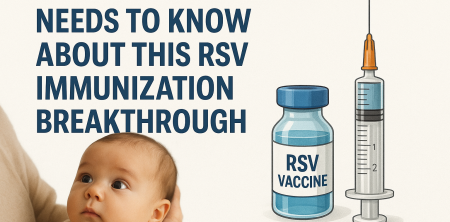
As a seasoned educator who's spent years in classrooms and university settings, I've seen firsthand the relentless march of seasonal illnesses, especially among our youngest learners. It's a parent's nightmare: that hacking cough, the struggle for breath, the fear that a common cold might escalate into something far more serious. That's why the recent updates from the American Academy of Pediatrics (AAP) regarding RSV immunization for infants are not just important; they're genuinely transformative for families everywhere. They represent a significant stride in protecting our most vulnerable, offering a new layer of defense against a virus that has, for too long, caused immense anxiety and suffering.
Respiratory Syncytial Virus, or RSV, isn't new. It's a common respiratory virus that usually causes mild, cold-like symptoms in adults and older children. But for infants and young children, especially those born prematurely or with underlying health conditions, RSV can be devastating. It's a leading cause of bronchiolitis and pneumonia in babies under one year old, often leading to emergency room visits and hospitalizations. The AAP, aligning its recommendations with other prominent medical societies, has reiterated and expanded its guidance, making a strong case for RSV immunization for infants under eight months old as they enter their first RSV season. This isn't just about preventing a sniffle; it's about safeguarding tiny lungs and giving parents a much-needed sense of security.
Understanding RSV: More Than Just a Winter Cold
Before we dive into the immunization specifics, let's take a moment to truly understand RSV. It's a highly contagious virus that spreads through respiratory droplets when an infected person coughs or sneezes. It can also live on surfaces for several hours, making transmission incredibly easy, especially in environments where young children gather, like daycares or even within a household with older siblings. Most of us will get RSV at some point in our lives, often without realizing it, mistaking it for a common cold. But for infants, particularly those under six months, their immune systems are still developing, leaving them highly susceptible to the more severe consequences of the infection.
The symptoms in infants can start subtly, mimicking a cold: runny nose, sneezing, and a mild cough. However, these can quickly progress to more concerning signs like wheezing, rapid or shallow breathing, irritability, decreased appetite, and blueness around the lips or fingernails, indicating a lack of oxygen. What makes RSV particularly insidious is its ability to inflame the small airways in the lungs (bronchiolitis) and cause lung infections (pneumonia). These conditions can severely impede an infant's ability to breathe, leading to prolonged hospital stays, oxygen support, and, in rare but tragic cases, even death. Each year, RSV is responsible for tens of thousands of hospitalizations in the U.S. among children under five. This isn't just a statistic; it's a testament to the virus's potential for severe impact on young lives and the healthcare system.
The AAP's Core Recommendation for RSV Immunization for Infants
The cornerstone of the AAP's updated guidance is unequivocal: RSV immunization for infants is recommended for all babies younger than eight months who are either born during or entering their first RSV season. This broad recommendation marks a significant shift, moving towards a more universal approach to protection. Previously, preventative measures might have been more narrowly targeted, but real-world data and a deeper understanding of RSV's impact have led medical experts to advocate for widespread immunization.
There's a crucial caveat, of course: if an infant has documented protection from maternal vaccination, the immunization might not be necessary. This highlights the dual strategy for protection: either direct immunization for the infant or indirect protection passed on from a vaccinated mother during pregnancy. Both avenues aim to arm the baby with crucial antibodies before they encounter the virus. This comprehensive approach ensures that the vast majority of newborns and young infants receive the best possible defense during their most vulnerable period. As a parent, knowing these options exist can make a huge difference in how you plan for your child's health, particularly as RSV season looms.
Maternal Vaccination: A Powerful Shield for Newborns
The concept of maternal vaccination is truly elegant in its simplicity and effectiveness. When a pregnant person receives an RSV vaccine, their body produces antibodies against the virus. These antibodies then cross the placenta, offering passive immunity to the developing fetus. This means that at birth, the newborn already has a level of protection, often for the first few months of life, which is precisely when they are most susceptible to severe RSV disease.
This strategy isn't new; we've seen its success with other vaccines, like the flu shot and the Tdap vaccine (which protects against tetanus, diphtheria, and pertussis, or whooping cough). The beauty of maternal vaccination is that it protects the infant from day one, before they can receive their own direct immunization. For parents expecting a baby, discussing RSV maternal vaccination with their obstetrician is an essential step in ensuring their child's early protection. It's a proactive measure that leverages the incredible power of the maternal-fetal connection to build a vital shield against illness, reducing the need for direct infant immunization in those cases where maternal antibodies are sufficient.
Expanding Protection: Older Infants and High-Risk Criteria
While the primary focus is on infants under eight months, the AAP's updated guidelines don't stop there. They also expand the high-risk criteria for RSV immunization in older infants, specifically those between 8 and 19 months, who are entering their second RSV season. This is a critical addition because while the risk of severe disease generally decreases with age, certain conditions can keep older infants highly vulnerable.
What constitutes 'high-risk' in this context? Think about infants who were born prematurely, those with chronic lung disease (like bronchopulmonary dysplasia), congenital heart disease, or significant immunocompromise. These children, even as they approach their second year, may not have the robust immune response needed to effectively fight off RSV. Real-world data has been instrumental in shaping this expanded recommendation, demonstrating that immunization in these specific populations effectively prevents hospitalizations. This tailored approach ensures that protection is extended to those who continue to face heightened risks, reflecting a nuanced understanding of RSV's impact across different developmental stages and health statuses. (See: CDC on Respiratory Syncytial Virus.)
The Science Behind the Efficacy of RSV Immunization for Infants
It's natural to wonder, 'How effective is this immunization?' The updated AAP recommendations are not based on conjecture but on rigorous scientific evidence, including significant real-world data. Clinical trials and subsequent observational studies have consistently shown that these immunizations are highly effective at preventing severe RSV disease, particularly hospitalizations and medically attended lower respiratory tract infections, in infants.
The immunization isn't a traditional vaccine in the sense of stimulating the body to produce its own antibodies over time. Instead, it's a monoclonal antibody product. Monoclonal antibodies are laboratory-made proteins that mimic the antibodies our immune system naturally produces to fight off harmful pathogens. In the case of RSV, these antibodies directly target the virus, neutralizing it and preventing it from causing severe illness. This provides immediate, passive protection that lasts for several months, covering the entire typical RSV season. This direct delivery of protective antibodies is why it's so effective and why medical professionals are so enthusiastic about its potential to significantly reduce the burden of severe RSV illness in our youngest population. For more context, see what parents must do now regarding children's health.
Navigating the Public Health Conversation Around Immunizations
In today's complex public health landscape, discussions around childhood immunizations can sometimes be fraught with misinformation or anxiety. The topic of RSV immunization for infants is no exception. It's understandable that parents have questions, and seeking reliable, evidence-based information is paramount. As an educator, I've always stressed the importance of critical thinking and consulting trusted experts.
The AAP, the Centers for Disease Control and Prevention (CDC), and other major medical societies base their recommendations on extensive research, clinical trials, and ongoing surveillance data. They are constantly evaluating the safety and efficacy of these interventions. When you hear about new guidelines, it's not arbitrary; it's the result of dedicated scientists and medical professionals working tirelessly to improve public health outcomes. Engaging with your pediatrician, asking detailed questions, and understanding the science behind these recommendations is crucial. This isn't about blind acceptance; it's about informed decision-making rooted in medical expertise, ensuring your child benefits from the best available preventative care.
Practical Steps for Parents: What You Need to Do
So, what does all this mean for you as a parent? First and foremost, if you are pregnant, or have an infant under 19 months, schedule a conversation with your healthcare provider. This is the most important step. Your pediatrician or obstetrician can assess your specific situation, discuss the eligibility criteria, and help you determine the best course of action for RSV immunization for infants.
Here are some key things to discuss:
- Due date and RSV season timing: If you're pregnant, understanding when your baby is due relative to the expected RSV season can inform decisions about maternal vaccination.
- Infant's age and health status: For infants, their age (under 8 months or 8-19 months with high-risk factors) will determine their eligibility.
- Previous protection: If you received the RSV vaccine during pregnancy, ensure this is documented for your infant's records.
- Local availability: Ask about where and when the immunization is available in your area.
- Insurance coverage: Discuss what your insurance plan covers regarding RSV immunization.
Remember, this is about proactive protection. Don't wait until RSV season is in full swing. Early planning and communication with your healthcare team can make all the difference in safeguarding your child's health.
Beyond Immunization: A Holistic Approach to Infant Health
While RSV immunization for infants is a phenomenal tool, it's just one part of a broader strategy for keeping your baby healthy. A holistic approach to infant health involves several layers of protection, especially against respiratory viruses. Think of it like building a robust fortress around your little one.
Here are some other crucial practices:
- Good hand hygiene: This sounds simple, but frequent and thorough handwashing (for everyone in the household!) is incredibly effective at preventing the spread of germs, including RSV.
- Avoiding sick contacts: Try to keep your infant away from anyone who is sick, even if they just have mild cold symptoms. It's tough, especially with older siblings, but necessary.
- Cleaning and disinfecting surfaces: Regularly clean high-touch surfaces in your home.
- Breastfeeding: If possible, breastfeeding offers passive immunity and other protective benefits for infants.
- Smoking cessation: Exposure to secondhand smoke significantly increases an infant's risk of severe respiratory illnesses.
- Annual flu shots for the household: While not directly for RSV, getting flu shots for everyone eligible in the family reduces the overall viral load circulating and protects against another serious respiratory threat.
By combining immunization with these everyday preventative measures, you're creating the strongest possible defense for your child. It's about being vigilant, informed, and proactive in every aspect of their care.
The Economic and Emotional Impact of Preventing RSV Hospitalizations
Let's not overlook the immense impact that preventing RSV hospitalizations has, not just on the child's health, but on families and the broader healthcare system. A severe RSV infection leading to hospitalization is an incredibly stressful and often traumatic experience for parents. The emotional toll of seeing your baby struggling to breathe, hooked up to monitors, and enduring medical procedures is immeasurable. There's the anxiety, the fear, the disruption to daily life, and often, the guilt that parents can feel even when an illness is entirely beyond their control. (See: NIH on RSV and its effects.)
Beyond the emotional strain, there's a significant economic burden. Hospitalizations mean time off work for parents, potentially lost wages, and out-of-pocket medical expenses, even with good insurance. The healthcare system itself faces considerable costs associated with these hospital stays, including staffing, resources, and specialized equipment. By preventing these severe cases through widespread RSV immunization for infants, we're not only saving lives and alleviating suffering but also reducing the strain on families and healthcare infrastructure. It's a public health intervention with profound benefits that ripple through society, strengthening communities by protecting our most precious members.
Comparing RSV Immunization for Infants to Other Childhood Immunizations
It's helpful to put RSV immunization into context alongside other established childhood immunizations. Just like vaccines for measles, mumps, rubella (MMR), polio, or diphtheria, tetanus, and pertussis (DTaP), the goal of RSV immunization is to protect vulnerable children from serious diseases. However, there's a key distinction in the mechanism, as we discussed: RSV immunization uses monoclonal antibodies for passive immunity, whereas traditional vaccines stimulate the child's own immune system to produce antibodies. Both approaches are backed by robust science and aim for the same outcome: preventing illness. For more context, see the unseen costs of childcare for busy parents.
Think about the historical impact of these other immunizations. Polio, once a terrifying threat, is now largely a disease of the past in many parts of the world thanks to widespread vaccination. Measles outbreaks, while still occurring, are far less frequent and severe than they once were. RSV immunization for infants aims for a similar transformative effect on public health, specifically targeting a common and dangerous respiratory threat. The success of these other programs provides a strong precedent for the potential impact of broad RSV protection. It shows us that dedicated scientific effort and public health initiatives can genuinely alter the landscape of childhood diseases, moving us closer to a future where preventable illnesses are rare exceptions, not annual anxieties.
Addressing Common Concerns and Misconceptions about RSV Immunization
Any new medical intervention, especially one for infants, naturally brings up questions and sometimes misconceptions. It's important to tackle these head-on with clear, factual information. One common concern I hear is about the "newness" of the immunization. While the specific monoclonal antibody product might be relatively new to widespread use, the science behind monoclonal antibodies has been developing for decades, with many successful applications in medicine.
Another question often revolves around side effects. Like any medical product, the RSV immunization can have minor side effects, most commonly mild reactions at the injection site like redness or soreness. Serious side effects are extremely rare, and the benefits of preventing severe RSV disease far outweigh these minimal risks. Pediatricians and public health agencies closely monitor the safety of all immunizations, ensuring that the data supports their continued use. It's also important to clarify that this is not a live virus vaccine and cannot cause RSV infection. It simply provides the antibodies needed to fight the virus if exposure occurs.
Some parents might also wonder if their child really needs it, especially if they seem healthy. The challenge with RSV is that healthy infants can still develop severe infections, sometimes very rapidly. The immunization acts as a proactive defense, much like a helmet for a bike rider – you hope you never need it, but you're profoundly grateful if you do. Openly discussing these concerns with your healthcare provider ensures that you get personalized, accurate answers based on the latest medical understanding, helping you make the most informed decision for your family.
The Role of Data and Surveillance in Shaping Recommendations
The recommendations from organizations like the AAP and CDC aren't static; they evolve based on continuous data collection and surveillance. This process is absolutely critical for understanding the real-world impact of diseases and the effectiveness of interventions like RSV immunization for infants. Scientists and public health officials are constantly tracking RSV activity, hospitalizations, and outcomes across different age groups and populations. They also meticulously monitor the safety and effectiveness of the monoclonal antibody product once it's in widespread use.
This ongoing surveillance allows them to identify trends, understand how the virus might be changing, and assess if the immunization is performing as expected in diverse settings. For example, if data showed a particular subgroup of infants was still experiencing severe RSV despite immunization, it could prompt further research or a refinement of guidelines. This commitment to evidence-based practice means that the recommendations you receive are always the most current and informed by the latest scientific understanding. It's a dynamic, responsive system designed to protect public health as effectively as possible, adapting as new information becomes available.
Looking Ahead: The Future of RSV Prevention
The current recommendations for RSV immunization for infants represent a significant leap forward, but the scientific and medical communities are always looking ahead. Research continues into even more effective and accessible ways to combat RSV. We might see further refinements to existing immunizations, new delivery methods, or even novel antiviral treatments emerging in the future. The commitment to eradicating severe childhood diseases is unwavering, driven by countless dedicated professionals. For more context, see gentle parenting alternatives for health concerns.
As a society, our collective focus should remain on supporting these scientific endeavors and ensuring equitable access to these life-saving interventions. Education plays a crucial role here, as well. Ensuring that parents, caregivers, and even older children understand the importance of preventative health measures, including immunizations, is key to building healthier communities. The journey to fully conquer viruses like RSV is ongoing, but with each new recommendation and scientific breakthrough, we get closer to a future where severe childhood respiratory illnesses are a rarity, not a terrifying possibility.
Frequently Asked Questions About RSV Immunization for Infants
What exactly is RSV immunization for infants?
RSV immunization for infants isn't a traditional vaccine in the sense of stimulating the baby's immune system to produce its own antibodies. Instead, it's a monoclonal antibody product. This means it delivers ready-made antibodies directly to the infant's body, providing immediate, passive protection against the Respiratory Syncytial Virus. These antibodies specifically target RSV, helping to neutralize it and prevent severe illness, especially in the lungs.
How is RSV immunization given, and how often?
The RSV immunization is given as a single injection, typically into the muscle of the thigh. For most infants, it's a one-time dose administered before or early in their first RSV season. If an infant is between 8 and 19 months old and has certain high-risk medical conditions, they might receive a second dose for their second RSV season. Your pediatrician will determine the exact timing and necessity based on your child's birth date, health status, and the local RSV season.
Is RSV immunization safe for my baby?
Yes, extensive clinical trials and ongoing surveillance have shown RSV immunization to be very safe for infants. The most common side effects are mild and temporary, like soreness, redness, or swelling at the injection site. Serious allergic reactions are rare. Healthcare providers and public health organizations like the AAP and CDC continuously monitor the safety of all immunizations to ensure they meet the highest standards.
What's the difference between maternal RSV vaccination and infant RSV immunization?
Both maternal RSV vaccination and infant RSV immunization aim to protect the baby, but they do it differently. Maternal vaccination involves a pregnant person receiving an RSV vaccine, which prompts their body to produce antibodies. These antibodies then cross the placenta to the developing fetus, providing protection from birth. Infant immunization, on the other hand, is a direct injection of monoclonal antibodies into the baby after they're born. If a pregnant parent received the maternal RSV vaccine, the infant may not need the direct immunization, as they'll likely already have sufficient protection.
When should my baby get the RSV immunization?
The optimal timing depends on when your baby is born and when the RSV season typically occurs in your region. Generally, infants younger than eight months should receive the immunization shortly before or early in their first RSV season. If your baby is 8 to 19 months old and has certain high-risk conditions, they might receive it before their second RSV season. Your healthcare provider will give you specific guidance tailored to your child and local conditions.
Will this immunization protect against all colds and respiratory illnesses?
No, the RSV immunization is highly specific to the Respiratory Syncytial Virus. While it's incredibly effective at preventing severe illness from RSV, it won't protect your baby from other common colds, the flu, or other respiratory viruses. That's why maintaining good hygiene practices, avoiding sick contacts, and ensuring everyone in the household gets their annual flu shot are still crucial components of a comprehensive health strategy for your infant.
Trending Now
- our breakdown of unprecedented chaos at youth games: protect your kids from the unexpected
- Unprecedented: Youth Sports Brawl Near Tampa Exposes a Disturbing Reality – What Parents Must Do Now
- Unprecedented: An Adult Brawl Youth Football Game Sparks Urgent Questions
- read the full story
- Five Nannies and Your Wallet: The Unseen Costs of Childcare for Busy Parents
Frequently Asked Questions
What is RSV and why is it a concern for infants?
Respiratory Syncytial Virus (RSV) is a common virus that can cause mild cold-like symptoms in adults but can be severe for infants, especially those born prematurely or with health conditions. It leads to bronchiolitis and pneumonia, resulting in emergency room visits and hospitalizations among babies under one year old.
How can parents protect their infants from RSV?
Parents can protect their infants from RSV by ensuring they receive the recommended immunization, especially for those under eight months old entering their first RSV season. Additionally, practicing good hygiene, such as frequent handwashing and avoiding close contact with sick individuals, can help reduce the risk of transmission.
What are the new guidelines for RSV immunization?
The American Academy of Pediatrics (AAP) has updated its guidelines to strongly recommend RSV immunization for infants under eight months old as they approach their first RSV season. This guidance aims to provide a new layer of protection against the virus, reducing the risk of severe illness.
What are the symptoms of RSV in infants?
Symptoms of RSV in infants can include a persistent cough, difficulty breathing, wheezing, and nasal congestion. In severe cases, it can lead to bronchiolitis or pneumonia, necessitating emergency medical attention. Early recognition and intervention are crucial for affected infants.
Why is RSV a leading cause of hospitalization in young children?
RSV is a leading cause of hospitalization in young children due to its ability to cause severe respiratory infections like bronchiolitis and pneumonia. Infants, particularly those under one year old, are at high risk, leading to increased emergency room visits and hospitalizations during RSV season.
Have you experienced this yourself? We'd love to hear your story in the comments.

