```html
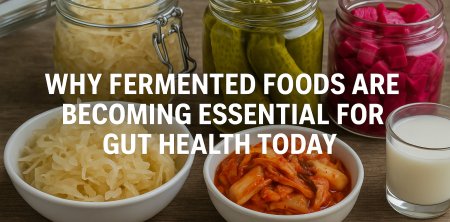
For thousands of years, humans have engaged in the ancient practice of fermenting food. This culinary method, once seen as a way to preserve edibles, is now gaining mainstream attention as people turn their focus to gut health. With rising rates of colorectal cancer among young adults and an increasing emphasis on personalized nutrition, the surge in popularity of fermented foods like kimchi, sauerkraut, kefir, and tempeh is hard to ignore. The science behind these foods is compelling, and the urgency is evident as more individuals are recognizing the link between their diet and overall well-being.
The Rise of Gut Health Awareness
The modern world is witnessing a growing awareness of gut health, and this is no fleeting trend. The rise in colorectal cancer rates among young adults has acted as a catalyst for many to reassess their dietary habits. According to the American Cancer Society, colorectal cancer rates have been steadily increasing in younger populations, leading experts to scrutinize lifestyle factors, particularly diet. With the alarming statistics, it’s no wonder that discussions surrounding gut health have surged in both medical circles and everyday conversations.
As people become more educated about the microbiome—the collection of trillions of microorganisms living in our intestines—they have begun to understand the profound impact these tiny creatures have on their health. The concept that our gut could be the key to many health issues, from digestive disorders to mental health conditions, has taken hold in the public consciousness.
Understanding the Microbiome
The microbiome is a complex ecosystem that plays a critical role in digestion, immunity, and even mood regulation. Each person's microbiome is unique, influenced by genetics, environment, diet, and lifestyle choices. Research indicates that a diverse microbiome contributes to better gut health and overall well-being. This has led to the realization that what we consume significantly affects the makeup of our microbiome.
Specialists like Barbara Olendzki from UMass Chan Medical School highlight the importance of 'whole fermented foods' over mere probiotic supplements. These foods, which contain live cultures, are not only beneficial for the gut but also promote variety in our diets, which is essential for maintaining a diverse microbiome. The emphasis on whole foods reflects a shift in how we approach health—moving away from quick fixes towards sustainable, long-term dietary changes.
Fermented Foods: A Diverse Selection
Fermented foods encompass a wide range of products, each offering unique health benefits. Here’s a deeper look into some popular options:
- Kimchi: A staple in Korean cuisine, kimchi is made from fermented vegetables, primarily napa cabbage, and is known for its probiotic properties. It’s rich in vitamins A, B, and C, and its spicy flavor can enhance various dishes.
- Sauerkraut: This fermented cabbage dish is not only a condiment but also a nutritious addition to meals, packed with fiber and vitamins. The fermentation process increases its antioxidant levels and aids digestion.
- Kefir: A fermented milk drink originating from the Caucasus region, kefir is often referred to as a 'superfood.' It contains a broad spectrum of probiotics and is beneficial for lactose intolerance.
- Tempeh: Hailing from Indonesia, tempeh is a fermented soybean product that serves as an excellent source of plant-based protein and contains essential amino acids, making it a favorite among vegans and vegetarians.
This diversity in fermented foods not only provides various flavors and textures but also ensures that individuals receive a broad spectrum of nutrients. Incorporating multiple types of fermented foods into one’s diet can help create a healthy and balanced gut microbiome.
The Shift from Probiotic Supplements
While probiotic supplements have gained popularity, experts caution that they are not a complete substitute for whole foods. Supplements may offer a concentrated dose of beneficial bacteria, but they often lack the diversity and other nutrients found in naturally fermented foods. Olendzki emphasizes that whole foods come with additional benefits, such as fiber and vitamins, that work synergistically to support gut health.
Moreover, the effectiveness of probiotic supplements can vary widely, depending on the strains and the individual's unique microbiome. As consumers become more discerning about their health choices, many are opting for food sources that not only contain probiotics but also enhance their overall nutrient intake.
The Social Media Buzz
Social media platforms have played a pivotal role in popularizing gut health and fermented foods. Users share their personal transformations, recipes, and tips, creating a vibrant community centered around improving gut health. Hashtags like #GutHealth and #FermentedFoods are trending, reflecting a cultural shift toward preventative health measures.
This online engagement drives search volume for specific fermented items, as people look for ways to incorporate these foods into their diets. The fear of missing out on health benefits further accelerates this trend, making it imperative for brands to adapt to consumer demands for gut-friendly products. (See: Colorectal cancer statistics and information.)
Beyond Gut Health: The Broader Implications
The focus on gut health is not just a matter of addressing digestive issues. Research indicates that a healthy gut microbiome may also influence mental health, immune function, and even the risk of chronic diseases. The gut-brain connection is a growing area of interest, with studies suggesting that the state of our gut can have profound effects on our mood and cognitive function.
This understanding opens up a fuller conversation about holistic health. Instead of viewing gut health as an isolated concern, it's becoming increasingly clear that it is interconnected with other health aspects. Thus, promoting gut health can lead to broader health benefits, enhancing quality of life.
The Role of Fiber in Gut Health
Another crucial component in the conversation on gut health is fiber. Fiber-rich foods not only promote regularity but also serve as food for beneficial gut bacteria. The concept of 'fibermaxxing' has emerged as a popular term, encouraging individuals to maximize their fiber intake to support a healthy gut.
Foods high in fiber include whole grains, fruits, vegetables, and legumes. When paired with fermented foods, they create an ideal environment for probiotics to thrive. Research shows that dietary fiber can improve gut microbiome diversity, leading to better overall health outcomes.
Incorporating Fermented Foods into Your Diet
If you’re looking to improve your gut health, incorporating fermented foods into your daily routine can be a delicious and enjoyable process. Here are some practical tips:
- Start Slow: If you’re new to fermented foods, begin with small quantities to allow your digestive system to adjust.
- Mix It Up: Aim for variety by trying different types of fermented foods. This not only keeps meals interesting but also helps diversify your gut microbiome.
- DIY Fermentation: Consider making your own fermented foods at home. This can be a fun and rewarding experience, plus it allows you to control the ingredients.
- Pair with Fiber: Combine fermented foods with high-fiber foods to maximize their benefits. A sauerkraut-topped whole grain sandwich or yogurt with mixed berries can be a great start.
As you explore the world of fermented foods, remember that consistency is key. Making small changes over time can lead to significant improvements in your gut health.
The Future of Gut Health Awareness
As we move forward, it’s clear that the emphasis on gut health is not just a passing phase. With ongoing research revealing the connections between a healthy gut and various health aspects, the demand for gut-friendly foods will likely continue to grow. Companies are recognizing this shift and are beginning to innovate, offering new products that cater to health-conscious consumers.
It’s also essential for healthcare providers to integrate gut health discussions into routine health assessments. As more patients become aware of the importance of their gut microbiome, they will seek guidance on how to improve their dietary choices. This presents a unique opportunity for practitioners to recommend whole foods, encouraging a shift toward a more holistic approach to health.
A Personal Journey to Gut Health
Ultimately, improving gut health is a personal journey that reflects individual preferences, lifestyles, and health goals. As you navigate this path, listen to your body, experiment with different foods, and find what resonates with you. The growing body of research around gut health assures us that we are on the right track, using ancient wisdom to address modern health challenges.
Connecting Gut Health and Immune Function
Your gut health directly affects your immune system. About 70% of your immune system is housed within your digestive tract, which means that a healthy gut is crucial for proper immune function. A diverse microbiome helps to train your immune system to differentiate between harmful invaders and non-threatening entities. When the balance of bacteria is disrupted, it can lead to inflammation and immune dysfunction, making you more susceptible to infections and diseases.
Research has shown that probiotics found in fermented foods can enhance the immune response. For instance, studies reveal that regular consumption of yogurt with live cultures can significantly reduce the incidence of respiratory infections. This correlation highlights the importance of prioritizing gut health as a means to bolster our overall immunity.
The Economic Impact of Gut Health
The rising interest in gut health is not just a health trend; it has also sparked economic growth in related sectors. The global probiotics market, including fermented foods and supplements, was valued at over $50 billion in 2022 and is expected to grow at a CAGR of 7% through 2030. Companies are investing heavily in research to develop new products aimed at improving gut health. This economic shift reflects a broader recognition of the importance of gut health in preventive care and health maintenance. (See: The impact of gut microbiota on health.)
Common Misconceptions about Gut Health
Even as the conversation around gut health grows, several misconceptions persist. Here are a few that you might encounter:
- All probiotics are the same: Different strains of probiotics have varying effects. For example, Lactobacillus rhamnosus is known for its benefits in treating diarrhea, while Bifidobacterium longum is more effective for improving gut barrier function.
- Fermented foods can cure all ailments: While they are beneficial, fermented foods are not a cure-all. They should complement a balanced diet rather than replace medical treatments prescribed by healthcare professionals.
- You need supplements for gut health: Many people overlook the power of whole foods. A diverse diet rich in fiber and fermented products can provide all the support your gut needs.
Expert Perspectives on Gut Health
Experts in the field continue to explore the complex relationships between diet, gut health, and overall wellness. Dr. Mark Pimentel, an expert in gut health, emphasizes that understanding your body’s unique needs is crucial. “The gut is like a fingerprint—it’s unique to each individual. What works for one person may not work for another,” he notes. This perspective highlights the importance of personalized nutrition in promoting gut health.
Furthermore, Dr. Megan Rossi, a leading dietitian and gut health researcher, encourages people to focus on variety in their diets. “Aim for 30 different plant-based foods a week, including fruits, vegetables, nuts, seeds, and whole grains. This variety supports a diverse microbiome, which is key to overall health,” she advises.
FAQs About Gut Health
What are the main benefits of improving gut health?
Improving gut health can lead to better digestion, enhanced immune function, improved mood, and a lower risk of chronic diseases. A balanced gut microbiome is linked to overall well-being.
How long does it take to see improvements in gut health?
While some people may notice improvements in digestion and energy levels within days of making dietary changes, it can take several weeks or even months to fully restore gut health, especially if addressing long-term issues.
Are there specific foods to avoid for better gut health?
Processed foods high in sugar and fat can negatively affect gut health. It's best to limit these foods and focus on whole, unprocessed ingredients to support a healthy microbiome.
Can stress affect gut health?
Absolutely. Stress can disrupt the balance of gut bacteria and lead to digestive issues. Finding ways to manage stress, such as through exercise, meditation, or hobbies, can positively impact gut health.
Is it safe to take probiotic supplements long-term?
While many people can safely take probiotics long-term, it's important to consult with a healthcare provider, especially if you have underlying health conditions or are taking medications.
Gut Health and Skin Connection
Interestingly, gut health can also have a direct impact on skin conditions. The skin is often referred to as the “window to the gut,” as imbalances in gut bacteria can manifest as skin issues like acne, eczema, and rosacea. Conditions such as these can often be linked to inflammation originating from poor gut health. Research indicates that a diet rich in probiotics and prebiotics can help reduce inflammation and improve skin health.
In a study published in the journal Microorganisms, participants who consumed probiotic-rich yogurt saw significant improvements in skin hydration and overall appearance compared to those who did not. This connection emphasizes the importance of taking a holistic approach to health, where gut health contributes to a glowing complexion. (See: Healthy diet and gut health.)
Gut Health and Physical Performance
Gut health doesn’t just play a role in your immune system and mood; it can also impact physical performance. Athletes, in particular, need to pay attention to gut health, as it can affect energy levels and recovery times. A healthy gut aids in the absorption of nutrients, essential for muscle recovery and energy production during workouts.
A study published in the Journal of Sports Science & Medicine highlighted that elite athletes with a diverse microbiome had better endurance and recovery rates. This has led to a growing trend among sports nutritionists to include fermented foods in athletes' diets, helping them optimize their performance not just through training but also through nourishment.
The Impact of Antibiotics on Gut Health
One of the significant challenges to maintaining gut health is the use of antibiotics. While antibiotics can be lifesaving, they often disrupt the balance of gut bacteria, leading to dysbiosis, a condition where harmful bacteria outnumber beneficial ones. This imbalance can result in digestive issues, weakened immune function, and increased susceptibility to infections.
To counteract the negative effects of antibiotics on gut health, healthcare providers often recommend probiotics during and after antibiotic treatment. Incorporating fermented foods can further help restore balance in the gut. In a study, participants who consumed probiotics during antibiotic therapy had a significantly lower incidence of antibiotic-associated diarrhea, illustrating the role of beneficial bacteria in gut health recovery.
Creating a Gut Health-Friendly Environment
Beyond dietary changes, creating an environment that supports gut health is essential. This includes not just what you eat but also lifestyle factors such as sleep, stress management, and physical activity. For example, getting adequate sleep is critical for gut health, as lack of sleep has been linked to altered gut microbiota. Aim for 7-9 hours of quality sleep each night to support your gut and overall health.
Physical activity can also positively influence gut microbiota diversity. Regular exercise has been shown to promote the growth of beneficial bacteria, which in turn helps with digestion and overall health. Incorporating a mix of aerobic and strength-training exercises can greatly benefit your gut microbiome.
Conclusion: Your Path to Optimal Gut Health
As we continue to uncover the intricate connections between our diet and health, prioritizing gut health emerges as a powerful tool for enhancing our well-being. By embracing a diverse range of fermented foods, maintaining a fiber-rich diet, and staying informed, you can take proactive steps toward achieving optimal gut health.
Remember, your journey to better gut health is unique to you. Stay curious, and don’t hesitate to explore new foods and practices that resonate with your lifestyle. With the right approach, you’re well on your way to a healthier gut and improved overall health.
``` (top vegetables for gut health)
Trending Now
- this guide on top merit-based scholarships for high school seniors (and how to get them)
- our breakdown of top 6 things you should know about iot in the education industry
- 7 Best eLearning Project Management Tips For New Managers
- our breakdown of top four ways to engage millennials in learning environments
Frequently Asked Questions
What are the benefits of fermented foods for gut health?
Fermented foods are rich in probiotics, which help balance the gut microbiome, enhance digestion, and boost immunity. They can also alleviate digestive disorders and may improve mental health by influencing the gut-brain axis.
Why is gut health important?
Gut health is crucial because it affects digestion, nutrient absorption, and immune function. A healthy gut microbiome can also influence mood and mental well-being, making it a key factor in overall health.
What foods are considered fermented?
Common fermented foods include kimchi, sauerkraut, kefir, tempeh, yogurt, and miso. These foods undergo fermentation, which enhances their nutritional profile and promotes beneficial bacteria.
How does diet impact gut health?
Diet significantly impacts gut health by influencing the composition of the microbiome. A diet high in fiber, probiotics, and fermented foods can promote a diverse microbiome, while processed foods may harm gut health.
What is the link between gut health and colorectal cancer?
Research suggests that a healthy gut microbiome may reduce the risk of colorectal cancer. Poor dietary choices and an imbalanced microbiome can contribute to inflammation and other factors associated with cancer development.
Agree or disagree? Drop a comment and tell us what you think.

