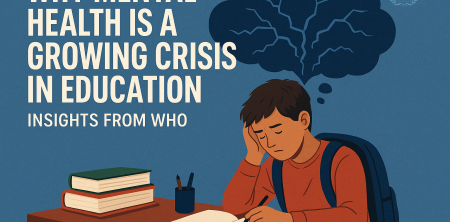
Mental health has emerged as a critical issue that resonates deeply within educational systems worldwide. The Mental Health WHO highlights the staggering reality that in 2019, approximately 970 million people were living with a mental disorder globally, with anxiety and depression being the most prevalent. This alarming statistic underscores the urgent need for schools to address mental health issues, particularly as they relate to student performance, attendance, and overall well-being.
The Impact of Mental Health on Academic Performance
Studies consistently show a strong link between mental health and academic performance. Students grappling with mental health challenges often experience difficulties concentrating, decreased motivation, and increased absenteeism. These factors can lead to poorer academic outcomes, which can further exacerbate feelings of anxiety and depression. The Mental Health WHO emphasizes that educational institutions must recognize and address these issues as part of their mission to support student success.
The Rising Tide of Anxiety and Burnout
As competition in academic environments has intensified, so too has the pressure on students. The combination of high expectations from parents and educators, coupled with rigorous academic standards, has contributed to a significant rise in anxiety and burnout among students. This issue is particularly pronounced during exam seasons, when students feel the weight of their future resting on their shoulders.
Furthermore, the COVID-19 pandemic has only exacerbated these challenges, leading to increased isolation and stress. According to the Mental Health WHO, the ongoing crisis has resulted in a significant uptick in mental health disorders, making it crucial for schools to implement effective mental health programs and support systems.
The Role of Schools in Mental Health Support
School environments have a unique opportunity to foster mental health awareness and support. Recent discussions among educators, parents, and policymakers reveal a growing concern over whether schools are adequately addressing these pressing issues.
- Awareness and Education: Schools can implement programs that educate students about mental health, reducing stigma and encouraging open conversations.
- Access to Resources: Providing access to counselors and mental health resources within schools can help students who are struggling.
- Creating a Supportive Environment: Promoting an inclusive and supportive school culture is essential for students to feel safe and validated.
These measures are not merely beneficial; they are essential for curbing the mental health crisis affecting students today.
Parents and Teachers: Key Stakeholders
Parents and teachers play a pivotal role in supporting student mental health. Collaborative efforts can lead to improved outcomes for students. Parents need to be attuned to signs of distress in their children, while teachers can create an environment that prioritizes mental health alongside academic success.
The Mental Health WHO advocates for a collective approach that includes training for educators, encouraging them to recognize mental health issues in students and to respond appropriately. Additionally, empowering parents with knowledge and tools can enhance their ability to support their children effectively.
The Need for Policy Change
Policy debates surrounding education and mental health often highlight the inadequacies in current systems. Stakeholders are increasingly asking whether educational policies are exacerbating the mental health crisis rather than alleviating it. For instance, excessive homework, high-stakes testing, and a lack of mental health resources in schools are systemic issues that require urgent attention.
Advocacy for policy change is crucial in creating an educational landscape that prioritizes mental health. The Mental Health WHO calls for comprehensive strategies that involve mental health professionals, educational authorities, and community organizations to create supportive frameworks for students.
Conclusion: A Call to Action
The mental health crisis among students is a pressing educational concern that cannot be ignored. With 970 million people suffering from mental health disorders globally, the implications for students are staggering. Addressing these issues requires a concerted effort from schools, parents, and policymakers.
The time to act is now. By prioritizing mental health in educational settings, we can foster environments where students not only thrive academically but also develop resilience, emotional intelligence, and well-being for life. The responsibility lies with us all to ensure that mental health is acknowledged, valued, and supported within our schools, as emphasized by the Mental Health WHO.

