```html
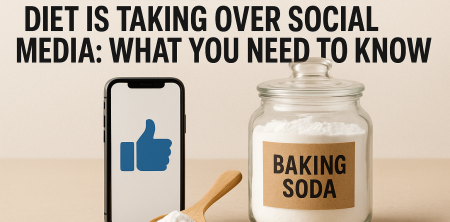
The internet is abuzz with a new health trend that’s caught the attention of search engines and social media alike: the baking soda diet. In 2026, this unexpected phenomenon has spiked in popularity, largely propelled by claims that a simple concoction of baking soda and lemon juice can serve as a metabolic booster and aid in weight loss. With such bold assertions, it’s no surprise that countless health enthusiasts are scrambling to learn more about this viral drink.
The Baking Soda and Lemon Juice Trend
The driving force behind this trend can be traced to a basic recipe that merges baking soda with fresh lemon juice. Advocates purport that the mixture not only tastes refreshing but also ignites the metabolism, thereby assisting in weight management. It’s a classic case of seeking quick fixes in an age where instant gratification seems to be the norm. But what’s really behind the hype?
The Science Behind Baking Soda and Lemon Juice
While the claims surrounding the baking soda diet are enticing, the scientific backing is still murky. Baking soda, or sodium bicarbonate, is commonly used in cooking and baking, but its health benefits are often overstated. Some proponents suggest that it can help neutralize acid in the body, leading to improved digestion and weight loss. However, reputable studies confirming these effects are scarce.
Lemon juice, on the other hand, is rich in vitamin C and antioxidants. It’s often celebrated for its digestive benefits and ability to enhance hydration. But the combination of these two ingredients as a weight-loss solution is a leap that's not clearly supported by scientific evidence.
Social Media Amplification
The surge in searches and interest around the baking soda diet can be attributed to social media. Platforms like Instagram, TikTok, and Twitter are overflowing with posts showcasing this unconventional drink. Influencers often share their personal success stories, complete with before-and-after photos that draw in more followers eager to join the bandwagon.
This social media buzz creates a sense of urgency and a fear of missing out (FOMO). When you see friends or influencers touting miraculous results, it’s hard not to wonder: could this really work for me? Such emotional triggers can lead to rapid spread and acceptance of dubious health trends.
The Emotional Appeal of Quick Fixes
There’s a psychological aspect to the popularity of the baking soda diet. In a world where many are searching for immediate results, the idea that a simple drink could unlock weight loss feels almost too good to be true—and that’s precisely its charm. People are eager to believe in solutions that promise effortless health and beauty.
The emotional narrative surrounding quick fixes fuels a collective desire to share these experiences. When individuals see friends celebrating their weight loss victories, it encourages them to join in, often without fully understanding the implications or potential consequences.
The Role of Influencers and Testimonials
Influencers have become the gatekeepers to health trends in the digital age, and the baking soda diet is no exception. With each post, they share personal anecdotes and scientific tidbits, lending credibility to a trend that may not have a solid foundation. These endorsements often come with high engagement rates, thanks to visually appealing images and relatable narratives.
Testimonials play a crucial role in amplifying this trend. Individuals recounting their journeys with the baking soda and lemon juice drink often emphasize their rapid results, driving home the allure of the diet. This storytelling resonates with audiences, further propagating the idea that this method is a viable option for weight loss.
Health Risks and Expert Opinions
Despite the appealing narrative surrounding the baking soda diet, experts are voicing concerns about its safety and efficacy. Nutritionists argue that relying on a single drink for weight loss oversimplifies the complexities of nutrition. The human body requires a balanced diet, rich with various nutrients, vitamins, and minerals. (See: Health benefits of lemon juice.)
Moreover, excessive consumption of baking soda can lead to health complications. Overuse may result in metabolic alkalosis, a condition that can cause nausea, muscle twitching, and other serious issues. As the trend continues to gain traction, it’s vital to approach this and similar diets with caution.
Alternative Approaches to Weight Loss
While the baking soda diet might sound appealing, it’s essential to explore healthy, sustainable alternatives for weight loss. Traditional methods, such as balanced eating and regular exercise, have proven effective for many. Focusing on whole foods, such as fruits, vegetables, lean proteins, and whole grains, can lead to gradual and lasting weight loss.
Incorporating regular physical activity doesn’t just help with weight management; it also contributes to overall health and well-being. Whether it's joining a local gym, participating in group sports, or even walking, finding enjoyable ways to move can make a significant difference.
The Importance of Critical Thinking
As health trends come and go, it’s crucial to apply critical thinking when evaluating new diets like the baking soda diet. Ask questions: What are the claims? Is there scientific evidence to support them? Are there potential risks? Engaging in this practice will help you make informed decisions about your health. See also deaths connected to weight loss drugs.
Moreover, don’t hesitate to consult with a healthcare professional or a registered dietitian before making significant changes to your diet. They can provide personalized advice tailored to your specific health needs and goals.
Is There Evidence Supporting the Baking Soda Diet?
To assess the validity of the baking soda diet, it’s worth examining some studies that have explored the effects of its main ingredient. Some research indicates that sodium bicarbonate may enhance athletic performance by buffering lactic acid build-up during exercise, which can potentially aid in weight loss indirectly by allowing individuals to work out harder and longer.
However, these benefits are primarily related to acute performance in athletes and may not translate to everyday weight loss strategies. For most people, the connection between baking soda and weight loss remains tenuous at best. This raises the question: is it worth incorporating baking soda into your diet for weight loss?
Comparative Analysis: Baking Soda vs. Other Diets
When considering weight-loss strategies, it can be useful to compare the baking soda diet to other popular diets. For instance, the Mediterranean diet is widely praised for its heart-healthy benefits and sustainable weight loss results. It emphasizes whole foods, healthy fats, and plenty of vegetables—offering a balanced nutritional approach.
Alternatively, diets like keto and paleo prioritize macronutrient manipulation, focusing on low carbohydrates or high protein. While these approaches may yield quick results, they often require significant lifestyle changes, which can be challenging to maintain over time.
In contrast, the baking soda diet lacks the comprehensive nutritional framework that these other diets provide. If you're looking for a sustainable approach to weight loss, traditional diets that emphasize balanced nutrition might be a more effective and healthier choice.
Common Misconceptions About the Baking Soda Diet
Despite the buzz surrounding the baking soda diet, many misconceptions persist. One common myth is that this drink can replace meals or serve as a standalone weight-loss solution. The reality is that no single food or drink can do the work of a balanced diet and healthy lifestyle.
Another misconception is that the alkaline nature of baking soda can "cleanse" the body or alter its pH balance. The body has its own mechanisms to maintain pH levels, and introducing baking soda won’t change that. Such beliefs can lead people to make poor dietary choices, thinking they can rely on a quick fix rather than adopting healthier eating habits. (See: Nutrition and health information.)
FAQs About the Baking Soda Diet
1. How often can I drink the baking soda and lemon juice mix?
While some proponents suggest daily consumption, it’s best to limit intake and consult with a healthcare professional. Excessive baking soda can lead to health complications.
2. Can I substitute apple cider vinegar for lemon juice in this mix?
Yes, some people prefer apple cider vinegar for its purported health benefits. However, remember that any drink's effectiveness for weight loss is not guaranteed.
3. Is the baking soda diet safe for everyone?
Not necessarily. People with certain health conditions, such as kidney disease or those on sodium-restricted diets, should avoid high baking soda consumption. Always consult a doctor first.
4. Should I stop exercising if I adopt the baking soda diet?
Absolutely not! Exercise should remain a key component of any weight-loss plan. The baking soda diet should not replace regular physical activity.
5. How long will it take to see results from the baking soda diet?
There’s no definitive answer. Weight loss varies significantly among individuals, and relying solely on this drink may not yield noticeable results.
Exploring the Nutritional Profile of Baking Soda
When considering the baking soda diet, it’s helpful to look at the nutritional profile of baking soda itself. Sodium bicarbonate, the active ingredient in baking soda, contains sodium. One teaspoon of baking soda has about 1,260 mg of sodium, which is more than half of the recommended daily intake for adults. This high sodium content can be concerning, especially for individuals with hypertension or heart conditions.
In comparison, lemon juice offers a much richer nutritional profile, providing vitamin C, potassium, and small amounts of various B vitamins. It is low in calories and can be very beneficial for maintaining hydration and supporting the immune system. This stark difference highlights that while baking soda may have its uses in cooking and cleaning, it should not be seen as a health powerhouse.
Potential Health Benefits of Baking Soda
While the baking soda diet is largely centered around weight loss claims, there are some legitimate health benefits associated with baking soda that are worth discussing. Research indicates that baking soda can be useful for heartburn and acid reflux by neutralizing stomach acid. Additionally, it’s used in some cases to alleviate urinary tract infections and to help manage chronic kidney disease by reducing acidity in the body.
However, these benefits are highly context-specific and should not be conflated with the weight loss claims surrounding the baking soda diet. Using baking soda for its medicinal properties under professional guidance is vastly different from adopting a fad diet.
Understanding Weight Loss: The Role of Metabolism
One of the main claims associated with the baking soda diet is its supposed ability to boost metabolism. To understand this claim, it’s important to delve into what metabolism actually is. Metabolism refers to the chemical processes that occur within the body to maintain life, including the conversion of food into energy. (See: Sodium bicarbonate and health effects.)
Factors that influence metabolism include age, sex, muscle mass, and overall activity level. Although some foods and drinks can provide a slight metabolic boost, like those containing caffeine, the effects are often minor and temporary. Relying solely on a baking soda mixture is unlikely to lead to significant changes in metabolic rate. A more effective approach to enhancing metabolism includes regular exercise, especially strength training, coupled with a balanced diet that fuels the body appropriately. unregulated weight loss options offers useful background here.
Real-Life Experiences: What Do Users Say?
While scientific evidence may be lacking, anecdotal experiences can shed light on how people perceive the baking soda diet. Users on various forums and social media platforms have shared their experiences, with mixed results. Some individuals claim to have experienced minor weight loss and improved digestion, while others report no changes at all.
It's essential to be cautious with such anecdotes, as they can be influenced by many factors, including personal motivation, concurrent dietary changes, and exercise routines. Often, those who report success may be modifying other aspects of their lifestyle as well, thus attributing their results to the baking soda drink.
Long-Term Effects: What to Consider
When exploring any diet, especially one as unconventional as the baking soda diet, it’s crucial to consider the long-term implications. Sustainable weight loss should ideally be approached through a well-rounded diet and regular physical activity, rather than relying on a single drink or ingredient.
Long-term overconsumption of baking soda can lead to health issues such as electrolyte imbalances, hypertension, and potential gastrointestinal distress. Therefore, focusing on a varied diet rich in nutrients and maintaining an active lifestyle is likely the best approach for achieving and maintaining a healthy weight.
Final Thoughts: Balancing Trends with Reality
The baking soda diet trend highlights the ongoing quest for quick weight-loss solutions in the era of social media. While it’s essential to stay informed about emerging trends, it’s equally important to prioritize health and safety. Quick fixes often come with risks and may not address the root causes of health issues.
Ultimately, true health and well-being stem from a balanced approach to nutrition and lifestyle. Rather than succumbing to the latest fad, consider what works best for your body and your long-term health goals. The journey to wellness is unique for everyone—embrace it with patience and care.
```
Trending Now
Frequently Asked Questions
What is the baking soda diet?
The baking soda diet involves mixing baking soda with lemon juice, with proponents claiming it boosts metabolism and aids in weight loss. This trend has gained traction on social media, where influencers share their experiences and results.
Does baking soda help with weight loss?
While some believe baking soda can assist in weight loss by neutralizing body acid and improving digestion, scientific evidence supporting these claims is limited. Most benefits are anecdotal and lack robust research.
Is lemon juice good for weight loss?
Lemon juice is rich in vitamin C and antioxidants, which may support digestion and hydration. However, its effectiveness as a weight-loss aid, especially in combination with baking soda, is not strongly backed by scientific studies.
Why is the baking soda diet popular on social media?
The baking soda diet has gained popularity on platforms like Instagram and TikTok due to influencers sharing personal success stories and visually appealing content, creating a buzz around this unconventional health trend.
Are there any risks to the baking soda diet?
Excessive consumption of baking soda can lead to health issues such as electrolyte imbalances and digestive discomfort. It's important to consult with a healthcare professional before trying this diet, especially for individuals with underlying health conditions.
What's your take on this? Share your thoughts in the comments below — we read every one.


0 Responses