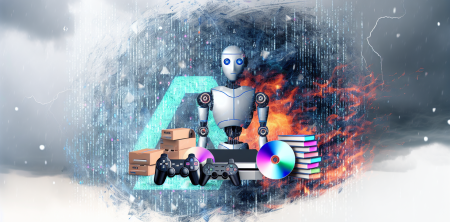
On May 10, 2026, a major gaming studio announced a significant shift in its content creation approach that has since ignited a firestorm of controversy across the gaming community. The studio revealed its plans to integrate AI-generated content into its upcoming titles, a decision that has been met with overwhelming backlash from developers and players alike. As discussions permeate platforms like Twitter, Reddit, and Discord, the trending hashtag #SaveGaming reflects widespread concerns regarding job displacement and the erosion of creative integrity in game development.
The Announcement and Its Immediate Impact
The studio's announcement has not only altered its trajectory but also sent shockwaves through the gaming landscape. In the 24 hours following the revelation, social media saw an explosion of activity, with over 2.3 million posts addressing the implications of this AI-generated content policy. Many players quickly expressed apprehension about the potential loss of authenticity in their favorite games, calling for transparency about which titles would incorporate AI-generated assets.
Industry Veterans Weigh In
Veteran developers and industry insiders have not held back in their critiques. Many have taken to social media to voice their concerns about the potential downsides of such a policy, emphasizing the fear it instills regarding job security. As creative professionals in the gaming industry, they worry that reliance on AI could compromise the unique artistry and narratives that have come to define many beloved titles.
- Job Displacement: Developers are increasingly worried that the integration of AI tools could lead to significant job losses, as studios might prioritize cost-effective AI solutions over human creativity.
- Loss of Creative Integrity: Critics argue that the essence of game design lies in human experiences, emotions, and storytelling, elements that artificial intelligence cannot replicate.
- Transparency Concerns: Many players demand clarity on how AI-generated content will be used, fearing a future where the authenticity of games is compromised.
The Financial Fallout
In addition to the backlash from the gaming community, the studio's stock price has fluctuated dramatically since the announcement. Financial analysts have noted increased volatility, reflecting investor uncertainty about the studio's future and the potential impact of the AI-generated content policy on sales and brand reputation.
What Does AI-Generated Content Mean for Gaming?
The integration of AI-generated content into gaming represents a broader trend in the industry where technology is increasingly relied upon to enhance production efficiencies. However, the implications extend beyond mere cost savings:
- Faster Development Cycles: AI tools can speed up certain aspects of game design, potentially reducing the time from concept to release.
- Innovative Gameplay: AI can offer new and dynamic gameplay experiences, allowing for adaptive narratives and environments that respond to player actions.
- Quality Control: While AI can assist in asset creation, there are concerns about maintaining high-quality standards without human oversight.
A Broader Conversation on AI in Creative Fields
The gaming industry's current upheaval is part of a larger conversation about the role of AI in creative sectors. Similar debates are occurring across industries such as filmmaking, music, and writing, where AI-generated content is being explored as a tool for efficiency and creativity. However, the question remains: at what cost?
Players Taking a Stand
The response from the player community has been nothing short of passionate. Gamers worldwide are rallying together, and social media is filled with stories of how they discovered their love for gaming through the work of dedicated developers. This community response illustrates a deep connection to the human aspect of game development.
- Petitions and Movements: Many fans have started petitions urging the studio to reconsider its decision, calling for a return to traditional methods of game design.
- Community Forums: Platforms like Reddit and Discord have become hubs for discussion, where players share their fears and hopes for a future that embraces human creativity.
- Public Demonstrations: In some regions, fans have organized demonstrations to voice their concerns and demand accountability from the studio.
Looking Ahead: What’s Next for the Gaming Industry?
As the debate surrounding the studio's AI-generated content policy continues, the future of gaming remains uncertain. There are calls for a balanced approach that respects innovation while preserving the essential human touch that defines the industry.
Potential Solutions and Paths Forward
As the industry grapples with these changes, several potential solutions have emerged to address the concerns raised:
- Collaborative Models: Studios could explore hybrid models where human developers work alongside AI technologies, ensuring that creativity remains at the forefront.
- Transparent Guidelines: Establishing clear guidelines on how AI-generated content is used and what it means for game design could alleviate player concerns.
- Community Engagement: Involving players in conversations about AI's role could foster trust and lead to solutions that satisfy both developers and gamers.
Conclusion: The Future of Gaming in a Digital Age
The controversy surrounding the recent AI-generated content policy serves as a critical reminder of the delicate balance between technological advancement and the preservation of human creativity. As the gaming industry evolves, it is essential to prioritize the values that have long defined it: imagination, authenticity, and community. The way forward involves dialogue, transparency, and a recognition that while technology can enhance our experiences, it is the people behind the games who truly make them memorable.

