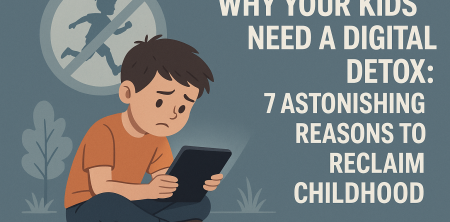
As a parent, you're constantly weighing tough choices, aren't you? From what to feed them for dinner to which school is truly best, the decisions never stop. But in today's world, there’s a new, monumental challenge that often feels like a losing battle: screens. They're everywhere, woven into the fabric of our lives, and their pervasive influence on our children's development is a growing concern for many of us. This isn't just about limiting screen time; it's about a fundamental shift in how families interact with technology. We're talking about a growing movement that asks: is it better to completely unplug, or to try and find a middle ground? This debate, often framed as
I’ve spent years in education, from K-12 classrooms to university leadership, and I've seen firsthand how technology has reshaped learning and social interaction. While technology offers incredible tools, its unchecked presence can have real, tangible impacts on our kids' attention spans, emotional regulation, and even their ability to connect with others in meaningful ways. That's why the discussion around digital detox parenting and digital balance parenting isn't just academic; it's deeply personal and incredibly urgent for families trying to reclaim those precious moments of imaginative play, outdoor adventures, and genuine family connection. For more on this, see affordable business solutions.
So, what exactly are these two approaches, and how do you decide which one aligns with your family's values and lifestyle? Let's dive in and explore the nuances of each, because making an informed choice here could be one of the most impactful parenting decisions you make this decade.
1. The Digital Detox Movement: A Full Reset for Family Life
Imagine a world where your children aren't glued to tablets, where family dinners are filled with conversation instead of glowing screens, and where boredom sparks creativity instead of a demand for YouTube. That's the core philosophy behind digital detox parenting. It’s a rapidly growing trend, gaining significant traction as we move through 2026, where families are intentionally pushing back against the omnipresent influence of screens. This isn't just a casual break; it's a deliberate, often radical, restructuring of how technology fits (or doesn't fit) into daily life, especially for children.
Parents embracing this movement are concerned about a very real array of issues: the alarming rise in attention deficits, difficulties with emotional regulation, and a noticeable erosion of genuine family connection. They're seeing their kids struggle to engage in sustained imaginative play, preferring the instant gratification of a game or a video. The goal of a digital detox isn't to demonize technology entirely, but to create a foundational period—or even a permanent lifestyle—where childhood is defined by physical experiences, human interaction, and the natural world, rather than by pixels and algorithms. It’s about restoring a sense of balance by first creating a stark imbalance in favor of the non-digital.
2. Digital Balance Parenting: Mindful Integration in a Modern World
On the other side of the spectrum is digital balance parenting. This approach acknowledges that technology isn't going anywhere, and in many ways, it's an indispensable part of modern life, education, and even future careers. Instead of a complete severance, digital balance parenting advocates for a mindful, controlled, and intentional integration of screens into family life. It’s about teaching children to be responsible digital citizens, understanding when and how to use technology effectively, and recognizing its potential pitfalls.
This isn't a free-for-all, mind you. Far from it. Parents employing a digital balance strategy often implement strict time limits, content filters, and designated tech-free zones or times, such as during meals or before bedtime. The emphasis is on quality over quantity, ensuring that screen time is educational, interactive, or genuinely connective, rather than passive consumption. It's a nuanced dance, requiring ongoing parental involvement and conversation, teaching kids to self-regulate and make discerning choices about their digital engagement. It's a continuous learning process for both parent and child, adapting as technology evolves and as children mature.
3. The Core Concerns Driving Digital Detox Parenting vs Digital Balance Parenting
The impetus behind both of these parenting philosophies stems from a shared anxiety about the impact of screens on children. While the solutions differ, the underlying worries are strikingly similar. Parents are observing a disturbing trend: children who seem unable to entertain themselves without a device, who exhibit heightened anxiety or meltdowns when screens are removed, and who sometimes struggle with face-to-face social interactions because they're so accustomed to mediated communication.
One major concern is the effect on attention spans. The rapid-fire content delivery of many digital platforms can train young brains to expect constant novelty, making it harder to focus on slower-paced activities like reading a book, building with blocks, or even listening to a teacher. Then there's the emotional regulation piece: the instant gratification of screens can make children less tolerant of frustration or boredom, key emotions they need to learn to manage. And let's not forget the physical health aspects, from sedentary lifestyles contributing to childhood obesity to sleep disruptions caused by blue light exposure before bed. These are not minor issues; they are foundational to a child's well-being and development, fueling the urgency of the
4. Reclaiming Childhood: The Digital Detox Vision
For families committed to a digital detox, the phrase "reclaiming childhood" isn't just a catchy slogan; it's a deeply felt mission. They are actively trying to restore elements of growing up that they feel have been lost or diminished in the digital age. This often means a significant emphasis on outdoor play, encouraging kids to explore nature, climb trees, and get dirty. It means prioritizing unstructured time, allowing boredom to be the catalyst for imaginative games, fort-building, and storytelling.
Think about the classic image of kids playing street hockey until the streetlights come on, or spending hours in the woods inventing elaborate fantasy worlds. Digital detox parents are striving to recreate that spirit. They invest in educational toys that foster creativity and problem-solving, like LEGOs, art supplies, and board games. They organize family activities that don't involve screens, like hiking, cooking together, or reading aloud. The goal is to cultivate a robust inner world for their children, where creativity, curiosity, and connection with the physical world are paramount, fostering resilience and a strong sense of self apart from digital validation. For more context, see health and mental health in children.
5. The Practicalities of Digital Detox Parenting: Strategies in Action
Implementing a digital detox isn't for the faint of heart; it requires commitment, consistency, and a clear family vision. It’s not just about confiscating devices; it’s about replacing those screen-based activities with engaging, enriching alternatives. One common strategy is establishing "tech-free zones" within the home, such as the dining room or bedrooms. Some families go further, designating entire weekends or even weeks as screen-free periods, often coinciding with vacations or family trips.
Beyond restriction, there's a huge emphasis on proactive engagement. This means parents being actively present, initiating play, reading together, and modeling non-screen-based leisure activities. It might involve a significant investment in physical books, craft supplies, sports equipment, or subscriptions to local museums and parks. For younger children, it often means delaying introduction to personal devices entirely. For older kids, it involves difficult conversations, setting firm boundaries, and sometimes enduring significant pushback, but the families committed to this path often report profound positive changes in their children's behavior, focus, and overall happiness.
6. Navigating the Nuances of Digital Balance: Finding the Middle Ground
For many families, a complete digital detox feels impractical or even undesirable. They recognize the educational benefits of technology, the social connections it can foster, and the vital role it plays in preparing children for a future workforce that will undoubtedly be tech-driven. This is where digital balance parenting shines. It's about careful curation and thoughtful integration, rather than outright prohibition.
Practically, this often translates into clear, agreed-upon rules: specific times for screens (e.g., after homework, before dinner, but never at the table), daily limits (perhaps an hour or two, depending on age), and strict content guidelines. Parental control software becomes a valuable tool, not just for blocking inappropriate material, but for monitoring usage and setting timers. It also means actively seeking out high-quality, interactive educational apps and games that promote learning, rather than passive entertainment. Crucially, digital balance requires ongoing dialogue with children about responsible tech use, internet safety, and the importance of offline relationships and activities. It's an ongoing negotiation and education, helping kids develop the discernment they’ll need to thrive in a digital world.
7. The Controversies and Criticisms: Where the Debate Heats Up
No parenting approach is without its critics, and the
On the other hand, digital balance parenting is sometimes seen as too permissive or not going far enough. Skeptics worry that even with strict controls, the addictive nature of screens makes genuine balance an elusive goal. They fear that parents might overestimate their ability to supervise and regulate, leading to children still spending excessive time online, potentially exposed to harmful content or cyberbullying. The underlying tension in this debate often boils down to a fundamental question: is technology an inherently beneficial tool that needs careful management, or a pervasive force that often requires radical containment to protect childhood?
8. Monetization and the Market Response: Supporting Both Paths
It's fascinating to observe how the market is responding to these growing parenting movements. There's a clear demand for products and services that support both digital detox and digital balance approaches, signaling that this isn't just a niche trend but a significant shift in consumer behavior. For digital detox families, there's a boom in demand for educational toys that don't require batteries, outdoor equipment that encourages exploration, and family-friendly travel experiences that promise an escape from screens. Think board games, art kits, bikes, camping gear, and immersive nature retreats – all designed to fill the void left by screen reduction.
For those leaning into digital balance, the market offers sophisticated parental control software, apps that track screen time and content, and online courses that provide strategies for mindful tech use. There's also a growing segment of educational technology specifically designed to be interactive and beneficial, helping parents feel more confident about the quality of their children's screen time. Furthermore, educators and consultants are stepping in, offering workshops and advice on how to navigate this complex landscape, whether it's through developing screen-alternative activities or guiding families toward a more harmonious tech integration. It's clear that businesses are recognizing the deep parental concern and are innovating to meet these evolving needs. (See: WHO guidelines on physical activity.)
9. Which Path is Right for Your Family? Making an Informed Choice
Ultimately, there's no single "right" answer in the
Consider your children's ages and temperaments. A full detox might be easier for very young children who haven't yet been fully exposed to screens, while older children might require a more nuanced approach to avoid feeling completely cut off from their peers. Think about your family's overall goals: Is your primary aim to foster creativity and outdoor play, or to teach responsible tech use in a connected world? Perhaps a hybrid approach could even work, with periods of detox followed by periods of balanced integration. The key is to be intentional, consistent, and willing to adapt as your family grows and the digital landscape continues to evolve. What’s most important is that you’re actively choosing, rather than passively allowing technology to dictate your family’s experience of childhood. For more context, see transitioning to adulthood and education.
10. The Psychological Impact: Beyond Screen Time Numbers
When we talk about digital detox parenting vs digital balance parenting, it's not just about the number of hours a child spends on a device. The deeper conversation really needs to be about the psychological impact. For instance, the type of content matters immensely. Passive consumption, like endlessly scrolling through short videos or watching unengaging cartoons, can be detrimental to a child's developing brain. It offers little cognitive challenge and can lead to a state of mental idleness. On the flip side, interactive, educational apps that require problem-solving, creativity, or strategic thinking can actually stimulate cognitive development in positive ways. So, a child spending two hours on a coding game might be experiencing a different psychological outcome than a child spending two hours watching uncurated YouTube videos.
Another psychological factor often overlooked is the concept of "fear of missing out" (FOMO), particularly as children get older. Digital detox parents might find their older kids struggling with feelings of isolation when their friends are all communicating or sharing experiences online. This isn't a trivial concern; social connection is vital for adolescent development. Digital balance parenting, with its emphasis on mindful integration, aims to help children navigate these social pressures by equipping them with the tools to use technology discerningly, understanding when to engage and when to step away, without feeling completely disconnected. It's about building internal resilience against the pull of constant digital engagement.
11. Expert Perspectives: What Researchers and Educators Say
The academic and medical communities are deeply invested in the
Educational psychologists often highlight the importance of executive functions – things like impulse control, working memory, and flexible thinking – which can be impacted by excessive screen time. They argue that while some educational apps can support these skills, the sheer volume of stimulating, quick-cut content can hinder their natural development by reducing opportunities for sustained, self-directed play. From my own experience as a Dean of Education, I've seen how students coming into university often struggle with deep focus and long-form reading, habits that are certainly challenged by a lifetime of digital consumption. This isn't to say technology is inherently bad, but rather that the *unmanaged* consumption of it can create real hurdles for academic rigor and critical thinking.
12. The Socioeconomic Divide: Access and Equity in the Digital Age
It's crucial to acknowledge the socioeconomic dimensions of the
Digital balance, in this context, becomes even more vital. It's about ensuring that all children, regardless of their background, learn to use technology effectively and safely. This means advocating for equitable access to high-quality educational content, digital literacy programs in schools, and resources that help parents, particularly those with limited tech experience themselves, understand how to guide their children. The goal isn't just about limiting screen time, but about bridging the digital divide so that technology can be an equalizer, not another barrier, in a child's development and future opportunities.
13. Long-Term Outcomes: What Do We Hope to Achieve?
When you're choosing between digital detox parenting and digital balance parenting, it's worth thinking about the long-term outcomes you're hoping for. With a digital detox, the vision is often a child who is deeply connected to the natural world, possesses a strong imagination, excels in face-to-face social interactions, and has a robust sense of self that isn't dependent on external digital validation. The hope is that by limiting early exposure, children will develop stronger foundational skills in areas like emotional regulation, attention span, and creative problem-solving, which will serve them well throughout their lives, even when they eventually encounter more technology. For more context, see finding balance in daily life.
For digital balance parenting, the long-term goal is a child who is digitally literate, responsible, and discerning. This child would be able to harness technology for learning and connection, understand its risks and benefits, and possess the self-regulation to manage their own usage. They would be prepared for a future where technology is integrated into nearly every aspect of life and work, equipped with the critical thinking skills to navigate online information and the resilience to handle digital challenges like cyberbullying. Both approaches aim for well-adjusted, capable adults, but they take different routes to get there, reflecting different philosophies on technology's role in human development.
Frequently Asked Questions About Digital Detox vs. Digital Balance Parenting
Q1: Is a complete digital detox realistic in today's world?
For some families, especially those with very young children or those living in rural areas with fewer peer pressures, a complete digital detox can be realistic and incredibly beneficial. However, for many, particularly with older children whose schools use technology and whose friends are online, a complete, permanent detox can be challenging to maintain without feeling isolated. It often works best as a temporary reset or a sustained approach for early childhood, rather than a lifelong ban.
Q2: How do I know if my child needs a digital detox?
Signs that your child might benefit from a digital detox include increased irritability or anxiety when screens are removed, difficulty focusing on non-screen activities, struggles with emotional regulation, disrupted sleep patterns, a lack of interest in outdoor play or hobbies, or a noticeable decline in face-to-face social interaction. If you feel like screens are dominating your family life or negatively impacting your child's well-being, it might be time for a reset.
Q3: What are practical first steps for digital balance parenting?
Start with clear rules and boundaries. Establish tech-free zones (like the dining table or bedrooms), set consistent time limits, and use parental controls for content filtering. Actively choose high-quality, educational content over passive entertainment. Most importantly, engage with your child about their screen use, teach them digital literacy, and model healthy tech habits yourself. Consistency and open communication are key.
Q4: How can I encourage non-screen activities if my child is already hooked?
It takes effort and patience! Provide engaging alternatives: art supplies, building blocks, board games, books, and opportunities for outdoor play. Make these activities appealing by joining in. Create a "boredom jar" with ideas for screen-free fun. Plan family outings that don't involve devices. Understand there might be initial resistance and even tantrums, but consistency in offering compelling alternatives will eventually shift their focus.
Q5: Will limiting screen time put my child at a disadvantage academically or socially?
This is a common concern. With digital detox, critics worry about a lack of digital literacy. With digital balance, the fear is not enough exposure. The truth is, thoughtful management, whether detox or balance, aims to prevent disadvantage. A child who develops strong foundational skills in creativity, critical thinking, and social interaction through a detox might adapt quickly to tech later. A child learning responsible tech use through balance will be well-prepared. The real disadvantage comes from unchecked, unmanaged screen time that hinders development, not from intentional parenting choices.
Trending Now
Frequently Asked Questions
What is a digital detox for kids?
A digital detox for kids involves reducing or eliminating screen time to encourage healthier habits and interactions. It focuses on reconnecting with family, fostering imaginative play, and enhancing emotional regulation by limiting the influence of technology in their lives.
Why is screen time a concern for children's development?
Excessive screen time can negatively affect children's attention spans, emotional regulation, and social skills. It may hinder their ability to connect meaningfully with others, emphasizing the need for a balanced approach to technology in their daily lives.
What are the benefits of a digital detox for families?
A digital detox can lead to improved family communication, increased opportunities for outdoor activities, and enhanced creative play. It helps families reclaim quality time together, fostering stronger bonds and healthier relationships in a tech-saturated environment.
How can parents implement a digital detox?
Parents can start a digital detox by setting specific screen time limits, designating tech-free zones or times, and encouraging alternative activities like outdoor play, board games, or reading. Gradually decreasing screen exposure can help children adapt to a more balanced lifestyle.
What is the difference between digital detox parenting and digital balance parenting?
Digital detox parenting advocates for a complete reduction of screen time, while digital balance parenting seeks a middle ground, allowing for controlled tech use within a structured framework. Both approaches aim to protect children's development in a technology-driven world.
Agree or disagree? Drop a comment and tell us what you think.

