```html
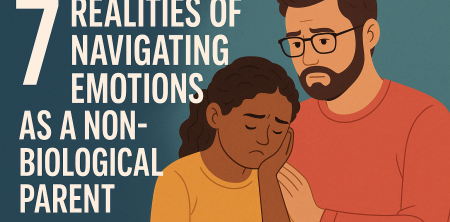
Parenting comes with a host of emotional challenges, but what happens when you’re not the biological parent? In today's diverse family structures, especially within LGBTQ+ communities, the experience of non-biological parents can be complex and emotionally charged. Navigating emotions in parenting with these unique dynamics often involves grappling with questions of identity, belonging, and legitimacy. This article explores seven key realities of being a non-biological parent, aiming to provide insight and reassurance to those who find themselves in this role.
1. Understanding Your Role
As a non-biological parent, your role may not always be clearly defined. Whether you are a stepparent, an adoptive parent, or part of a family formed through assisted reproductive technologies, it's essential to understand your unique position. Unlike biological parents, who often feel an inherent connection to their children, non-biological parents might struggle with feelings of uncertainty regarding their role and legitimacy.
It's crucial to recognize that every family dynamic is different, and there's no one-size-fits-all approach. Building a strong bond with your child may take time, patience, and effort. Being present in their lives, engaging in activities together, and showing unconditional love are all effective ways to cultivate that connection. Embrace your unique relationship and find your own style of parenting.
2. Dealing with Identity and Legitimacy
Questions of identity and legitimacy can often plague non-biological parents. You might find yourself wondering, “Am I a real parent?” or feeling the need to justify your position in the family. These feelings can be particularly pronounced in LGBTQ+ families, where societal attitudes may impose additional scrutiny.
Addressing these feelings begins with open communication within the family. Sharing your emotions with your partner and your child can foster a culture of acceptance and understanding. It’s also beneficial to seek support from community groups or online forums where you can connect with other non-biological parents who share similar experiences. Knowing you’re not alone can be incredibly validating.
3. The Emotional Rollercoaster
Navigating emotions in parenting as a non-biological parent can often feel like an emotional rollercoaster. One moment you might feel on top of the world as you share a sweet moment with your child, and the next, you might grapple with feelings of insecurity or exclusion. This emotional variability can be overwhelming.
To manage these ups and downs, it’s essential to develop emotional resilience. Mindfulness practices, such as meditation or journaling, can help you process your feelings and maintain a balanced perspective. Consider making self-care a priority – after all, taking care of your emotional health enables you to support your child better.
4. Building Relationships with Extended Family
Family dynamics often extend beyond the immediate household, and as a non-biological parent, you may encounter challenges with extended family members. They might not fully understand your role or the bond you share with your child, leading to potential misunderstandings or conflicts.
Approaching these situations with openness and honesty is key. Sharing your experiences and feelings can help others see your perspective and the love you have for your child. Additionally, consider involving extended family in special moments, inviting them to participate in family activities. This can help bridge gaps and promote acceptance.
5. Managing Societal Expectations
In many cultures, traditional family structures are still the norm, which can make navigating emotions in parenting particularly challenging for non-biological parents. You may face societal expectations that feel outdated or irrelevant to your situation. This dissonance can lead to feelings of isolation or inadequacy.
Being aware of these societal pressures is the first step toward overcoming them. Surround yourself with supportive friends and communities that celebrate diverse family structures. Focus on what works for your family rather than trying to fit into conventional molds, and remember that love is what truly defines a family, not biological ties. (See: Family health and well-being.)
6. Creating a Support Network
One of the most effective ways to navigate the emotional complexities of being a non-biological parent is by creating a robust support network. It’s vital to connect with others who understand your journey. This could include other non-biological parents, family friends, or support groups that focus on LGBTQ+ families.
Your support network can serve as a sounding board for your feelings, provide valuable advice, and remind you that your experiences are valid. Whether it’s through social media groups, local meet-ups, or parenting workshops, finding your tribe can significantly alleviate feelings of isolation and reinforce your sense of belonging.
7. Embracing Your Unique Family Story
Finally, it’s essential to embrace and celebrate your unique family story. Each family is distinct, and your narrative as a non-biological parent adds richness to the tapestry of family life. Rather than focusing on what you might lack compared to biological parents, consider what strengths and perspectives you bring to your family.
Encourage open discussions with your child about their feelings regarding family structures. This can foster acceptance and understanding, allowing your child to appreciate their family’s unique nature. Remember that love, support, and shared experiences define your role as a parent, regardless of biological ties.
8. Understanding the Impact of Emotions on Parenting
Every parent faces emotional challenges, but these can be particularly intense for non-biological parents. Research indicates that emotional well-being directly impacts parenting styles and the parent-child relationship. For example, a study published in the Journal of Family Psychology found that parents experiencing high levels of anxiety or depression often struggle to connect with their children, which can hinder the development of secure attachments.
Recognizing how your emotions affect your parenting can help you develop strategies to manage them. If you're feeling overwhelmed, consider reaching out for professional help, such as counseling. Therapy can provide you with tools to improve emotional regulation, which can, in turn, enhance your relationships with your children.
9. The Importance of Communication
Effective communication is the backbone of healthy relationships, especially in a non-traditional family setup. Non-biological parents often face unique challenges in conveying their feelings and needs to their children and partners. Open conversations about your experiences and emotions can help demystify your position within the family.
Using “I” statements, like “I feel” or “I need,” can facilitate clearer communication. Avoiding blame and focusing on your feelings encourages connection rather than defensiveness. It’s also vital to encourage your children to express their feelings, creating a safe space for emotional sharing that nurtures mutual understanding.
10. Celebrating Milestones and Family Traditions
Celebrating milestones and creating family traditions can bolster your emotional connection with your child. Birthdays, holidays, and special events provide excellent opportunities for bonding and creating lasting memories. As a non-biological parent, you might feel pressure to find unique ways to contribute to these celebrations.
Consider incorporating your interests or family stories into these traditions. For example, if cooking is a passion of yours, maybe you could initiate a family cooking night where everyone contributes to a meal. This not only strengthens family connections but also instills a sense of belonging and shared identity.
11. Seeking Resources and Education
As a non-biological parent, it’s essential to educate yourself about the complexities of your unique situation. There are countless resources available, including books, online forums, and workshops specifically designed for non-biological parents. Utilizing these resources can equip you with the knowledge and skills necessary to navigate challenges more effectively.
For example, books like “The Family Book” by Todd Parr tackle the concept of diverse family structures in a kid-friendly way. This can be a great resource for discussing family dynamics with your child and teaching them to appreciate the uniqueness of your family.
12. Frequently Asked Questions
What can I do if I feel excluded from my child's life?
If you feel excluded, start by having an open conversation with your child and partner. They may not realize how you feel. Make an effort to engage in shared activities that interest your child, and create opportunities for bonding. (See: Family engagement in parenting.)
How can I build a bond with my child?
Building a bond takes time and patience. Engage in activities your child enjoys, whether it’s sports, arts, or games. Show genuine interest in their lives and celebrate their achievements together.
What if extended family doesn't accept my role?
Acceptance from extended family can take time. Approach conversations with empathy, explaining your role and relationship with the child. Involve them in family activities to foster understanding and acceptance.
How do I cope with feelings of inadequacy?
It's natural to feel inadequate at times, but remember that love and effort define your role. Surround yourself with supportive friends, and consider seeking professional guidance to process these feelings.
Can I be a "good enough" parent even if I'm not biological?
Absolutely! Many non-biological parents provide love, support, and guidance that contribute to their child's well-being. Focus on nurturing your relationship and creating a loving environment.
13. Finding Your Parenting Style
Every parent has their unique style, which can greatly influence the emotional landscape of a family. Non-biological parents often find themselves figuring out how their parenting style integrates with that of their partner or the biological parent. It can be a challenge, but it’s also an opportunity to forge a distinctive approach that suits your family dynamic.
Consider what aspects of parenting resonate with you most. Are you more nurturing or authoritative? Do you emphasize creativity and exploration, or are you more structured and routine-oriented? Reflecting on your preferences can help you build confidence in your parenting style. In turn, you’ll be better equipped to connect with your child on a deeper emotional level.
14. The Role of Therapy and Counseling
Many non-biological parents benefit from therapy or counseling. This can provide a safe space to explore feelings of inadequacy, identity, and the complexities of your role within the family. A trained therapist can help you navigate your emotions effectively, enabling you to approach parenting with greater confidence and clarity.
Therapy can be particularly beneficial in developing coping strategies for dealing with societal pressures and familial expectations. Some parents find that group therapy, where they can share experiences with others in similar situations, is especially validating and supportive.
15. Exploring Your Child’s Needs
Understanding your child’s emotional needs is vital for fostering a healthy relationship. Children, regardless of their family structure, often have similar emotional needs, such as the desire for love, security, and validation. As a non-biological parent, you may need to be extra attuned to these needs, as children can be sensitive to the dynamics of their family situation.
Engaging in conversations about their feelings can help you recognize if they are struggling with their identity or the concept of family. Children may have questions about their family structure, and being open to discussing these topics can build trust and strengthen your bond.
16. Creating a Positive Home Environment
The emotional atmosphere of your home can significantly impact your child’s development and overall well-being. As a non-biological parent, you can create a nurturing environment that promotes emotional health and development. This involves not only providing physical necessities but also cultivating a space where emotions can be expressed freely and safely.
Encourage family meetings or regular check-ins where everyone shares their feelings and thoughts about family life. This practice can help normalize emotional discussions and reinforce the understanding that each member’s feelings are valid and important. The more comfortable your child is expressing themselves, the stronger your relationship will be.
17. Statistics on Non-Biological Parenting
Understanding the broader context of non-biological parenting can also provide reassurance. According to the Pew Research Center, as of 2021, about 4% of U.S. children live with non-biological parents. This statistic shows that you’re not alone, and many families have similar dynamics. Furthermore, studies indicate that children raised in loving, supportive environments, regardless of biological connections, tend to thrive emotionally and socially.
Research from Child Trends shows that it's the quality of parenting, rather than the biological relationship, that most significantly predicts children's outcomes. This underlines the importance of nurturing relationships and emotional engagement in any parenting dynamic.
18. Expert Perspectives on Non-Biological Parenting
Experts in the field of child psychology emphasize that the emotional bonds formed in non-biological families can be just as strong as those in biological families. Dr. Jennifer Louis, a child psychologist, notes, “The heart of parenting is about providing love, security, and stability. Non-biological parents can offer these in profound ways.”
Additionally, Dr. Timothy Smith, a family therapist, highlights the importance of adaptability in parenting styles. “Every family is unique, and the ability to adapt to your child’s needs is what truly makes a good parent, irrespective of biological ties.” These insights can help bolster your confidence in your role within your family.
19. Strategies for Effective Co-Parenting
If you’re co-parenting with a biological parent, maintaining effective communication is crucial. Set clear boundaries and share responsibilities to avoid misunderstandings. Regular discussions about your child’s needs and progress can help ensure you’re both on the same page regarding parenting approaches.
It’s also beneficial to be flexible and willing to compromise. Co-parenting requires collaboration, and understanding that both parents' styles can coexist and complement one another will create a stronger, more stable environment for your child.
20. Final Thoughts on Navigating Emotions in Parenting
In navigating emotions in parenting as a non-biological parent, acknowledge the complexities, cherish your relationships, and find strength in your family’s unique narrative. You have a valuable role in your child’s life — one that deserves recognition and celebration. Embracing your journey, seeking support, and focusing on love and connection will help you create a fulfilling parenting experience.
```
Trending Now
- Unlock Your Potential: Become the Head of Sales Education with The Land Geek
- read the full story
- the complete explanation
- this guide on empowering students: how conflict resolution in middle school builds resilience
- Unlocking Focus: How ADHD Mindfulness Interventions Are Transforming School Environments
Frequently Asked Questions
What challenges do non-biological parents face?
Non-biological parents often grapple with emotional challenges such as questions of identity, legitimacy, and their role within the family. They may feel uncertain about their place and struggle with societal perceptions, particularly in LGBTQ+ families, where acceptance can be more complex.
How can non-biological parents build a bond with their child?
Building a bond as a non-biological parent requires time, patience, and effort. Engaging in activities together, being present in their lives, and showing unconditional love are key strategies to cultivate that connection and establish a strong relationship.
What is the role of a non-biological parent?
The role of a non-biological parent can vary widely depending on family dynamics. Whether as a stepparent, adoptive parent, or through assisted reproductive technologies, understanding your unique position is crucial to navigating your parenting journey.
How can non-biological parents address feelings of legitimacy?
Non-biological parents can address feelings of legitimacy by fostering open communication within the family. Sharing emotions with partners and children can create a culture of acceptance and help affirm their role and identity as a parent.
What should non-biological parents know about their parenting experience?
Non-biological parents should recognize that their experiences can be emotionally charged and complex. It's important to embrace their unique relationship with their child, acknowledging that every family dynamic is different and that love and presence are central to successful parenting.
What's your take on this? Share your thoughts in the comments below — we read every one.

