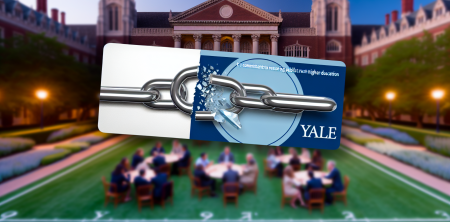
In an unprecedented move, Yale University President Peter Salovey has publicly acknowledged the role that his esteemed institution has played in the erosion of public trust in higher education. This candid admission reflects a growing awareness among academic leaders regarding the crisis of credibility that many universities face today. As skepticism about the value and transparency of higher education continues to rise, Salovey's remarks serve as a clarion call for action and accountability within the academic community.
The Erosion of Trust in Academia
Over the past several years, a noticeable decline in public trust in higher education institutions has emerged, with various factors contributing to this troubling trend. Whether due to skyrocketing tuition costs, perceived disconnects between academic values and societal needs, or controversies surrounding academic freedom and free speech, many universities find themselves grappling with a crisis of confidence.
Factors Leading to Distrust
- Financial Burden: The increasing cost of college tuition has left many prospective students and their families questioning the value of a degree.
- Relevance of Curriculum: Critics argue that many academic programs fail to align with the skills needed in the contemporary job market, leading to perceptions of irrelevance.
- Academic Integrity Concerns: High-profile scandals, such as admissions fraud and research misconduct, have further fueled skepticism about the integrity of academic institutions.
- Lack of Transparency: Many universities are seen as opaque in their decision-making processes and financial operations, which further alienates the public.
Yale's Acknowledgment and Commitment
In her recent statement, President Salovey did not shy away from acknowledging that Yale, despite its reputation as one of the leading academic institutions in the world, has played a part in this broader trend of declining trust. He emphasized the need for Yale to not only recognize its role in this issue but also to take proactive steps to rebuild that trust.
By addressing this concern, Salovey aims to position Yale as a leader in the movement to restore public confidence in higher education. His acknowledgment is a step towards greater accountability and transparency, key elements that many believe are necessary for rebuilding that trust.
Strategies for Trust Restoration
While specifics were not disclosed regarding how Yale plans to address these trust issues, several strategies commonly proposed in higher education circles could serve as a guide:
- Enhancing Transparency: Universities can improve their operations by making information about tuition costs, financial aid, and institutional decision-making more accessible to the public.
- Curriculum Relevance: Academic programs should be continuously evaluated and updated to ensure they meet the needs of the current job market and society at large.
- Fostering Open Dialogue: Encouraging discussions around controversial topics and academic freedom can help restore faith in the institution’s commitment to intellectual inquiry.
- Community Engagement: Building partnerships with local communities and stakeholders can create a sense of shared purpose and responsibility.
The Role of Leadership in Higher Education
Leadership in higher education plays a crucial role in shaping public perceptions of universities. Salovey's willingness to confront uncomfortable truths about Yale's impact on public trust reflects a broader trend among academic leaders to engage with the public on these critical issues. By taking a stand, university presidents and administrators can foster a culture of accountability and transparency that resonates with both current and prospective students.
Importance of Credibility
The credibility of higher education institutions is vital not only for their survival but also for the broader societal trust in academia. When universities fail to meet the expectations of the public, they risk losing their legitimacy and influence. Salovey's statements highlight the urgent need for academic institutions to reevaluate their missions and the ways in which they communicate their value to society.
Moving Forward: A Collaborative Approach
To effectively tackle the challenges of restoring public trust, universities must adopt a collaborative approach that involves not only institutional leaders but also faculty, students, and the surrounding communities. Engaging various stakeholders can foster a sense of shared responsibility and purpose in addressing the complexities of trust in higher education.
Engaging Students and Faculty
Students and faculty play a pivotal role in shaping the culture of their institutions. Involving them in discussions about trust and accountability can lead to innovative solutions that resonate on a personal level. For example, student-led initiatives that promote transparency and community engagement can demonstrate the university's commitment to rebuilding trust.
Community Outreach and Partnerships
Building strong partnerships with local communities can also enhance public perceptions of universities. By collaborating on projects that address community needs, institutions can showcase their commitment to social responsibility and civic engagement.
Conclusion: A Call to Action for Higher Education
Yale University's president has taken a significant step in acknowledging the institution's role in the erosion of public trust in higher education. As skepticism about the value of academic institutions continues to grow, it is imperative for universities to address these concerns head-on. By committing to transparency, relevance, and community engagement, Yale and other institutions can work towards restoring public confidence in higher education. The commitment to rebuilding trust is not just about Yale; it’s about the future of academia as a whole and the societal expectations that accompany it.
In moving forward, the dialogue initiated by Salovey's remarks will hopefully inspire a broader movement among universities to take responsibility for their role in public trust and work collaboratively to enhance the credibility and integrity of higher education.

