```html
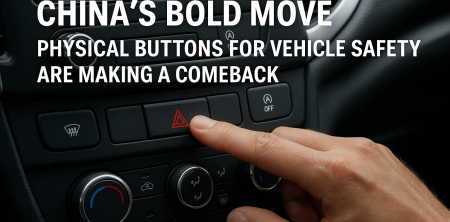
In a significant shift from contemporary automotive design trends, China has enacted new vehicle safety regulations mandating the inclusion of physical buttons for 19 essential safety functions. Effective from July 1, 2027, this law requires features like turn signals, windshield wipers, hazard lights, and gear shifters to be tactile controls rather than solely relying on touchscreen interfaces. This regulation represents a fascinating pushback against the rising trend of digital dashboards and touchscreen functionalities, raising important questions about safety, usability, and the future of vehicle design.
The Shift to Touchscreens: A Double-Edged Sword
Over the last decade, automakers around the globe have increasingly embraced touchscreen interfaces, heralding them as the future of vehicle controls. Advocates argue that these designs offer sleek aesthetics, the ability to customize settings, and potentially reduce manufacturing costs. However, as the industry has rapidly advanced towards high-tech solutions, many drivers have voiced their concerns regarding safety. The tactile experience of buttons provides immediate feedback, allowing drivers to make quick adjustments without taking their eyes off the road.
Touchscreen technology poses a unique challenge: the risk of driver distraction. Numerous studies have pointed out that screen-only controls can lead to increased cognitive load, prompting drivers to divert their attention for longer durations when making adjustments. This new regulation in China reflects a growing recognition of that risk and a desire to prioritize driver safety over tech-driven convenience.
Key Features of the New Law
The new law outlines 19 critical functions that must retain physical buttons, emphasizing essential safety features that are vital for driving. Here's a brief overview of some of these crucial elements:
- Turn Signals: Essential for communicating lane changes and turns to other drivers.
- Windshield Wipers: Important for visibility in adverse weather conditions.
- Hazard Lights: Critical for alerting other road users of a vehicle breakdown or emergency.
- Gear Shifter: A fundamental control for changing driving modes.
- Headlight Controls: Necessary for safe driving at night or in low visibility.
This list underscores how the regulation is not merely a nostalgic nod to the past but a strategic move to maintain essential vehicle functionality, especially in high-pressure situations where driver focus is paramount.
The Industry Response: A Necessary Rearrangement
The implications of this legislation reach far beyond China's borders. Global automakers that export vehicles to China will need to rethink their design philosophies and adapt their models to comply with these new safety regulations. For many manufacturers, this means revisiting vehicle interiors and potentially delaying the rollout of fully digital dashboards that have been in development.
Such a shift could require significant investment in research and development as companies strive to redesign their vehicles, potentially impacting production timelines and financial projections. Some automakers may see this as an incentive to innovate within the framework of tactile controls, exploring hybrid models that combine the best of both worlds—traditional buttons and modern digital interfaces.
The Driver's Perspective: A Sense of Relief or Resistance?
Driver reactions to these regulations are decidedly mixed. For many, the enactment of these safety laws marks a triumphant return to a more reliable driving experience. Car enthusiasts and safety advocates have been vocal about their concerns over touchscreen fatigue. The fear of fumbling for a digital control while navigating busy streets has led many drivers to express a sense of relief at the idea of returning to physical buttons.
Yet, there are also those who lament the loss of sleek, modern designs that come with digital interfaces. For them, the convenience of customizable settings and touch-sensitive controls is a worthwhile trade-off for the tactile experience. As discussions unfold, it’s clear that this law has ignited a broader dialogue about what constitutes a safe driving environment in an increasingly tech-driven world.
Potential Impact on Global Automotive Trends
The implications of China’s vehicle safety regulations extend beyond just domestic markets. As the world's largest automotive market, China's regulations often set precedents that ripple outward, influencing policies and practices in other countries. As global automakers adjust their designs to meet these new standards, we may witness a resurgence of physical controls in vehicles worldwide. (See: motor vehicle safety regulations.)
This could lead to a bifurcation in the automotive market, with manufacturers either embracing tactile controls or doubling down on digital interfaces in an attempt to differentiate their products. The outcome may redefine consumer expectations when it comes to vehicle functionality and safety, prompting a reevaluation of the balance between technological advancement and driver-centric design.
The Counterargument: Embracing Technology
While the push for physical buttons garners considerable support, it’s essential to consider the pro-technology perspective. Advocates argue that technological innovation should not be stifled in the name of safety. Features like voice control, advanced driver-assistance systems, and touchscreens offer a level of interaction and customization that physical buttons cannot match. For more on this, see BMW ix3 overview.
Moreover, many modern vehicles come equipped with advanced safety systems that mitigate the risks associated with touchscreen use. Features such as adaptive cruise control, lane-keeping assistance, and automated emergency braking can help counterbalance the distractions that touchscreens might introduce. Proponents of digital interfaces argue that the future lies in harmonizing technology with driver safety, not reverting to outdated standards.
Looking Ahead: The Future of Vehicle Safety Regulations
As the July 2027 implementation date approaches, the automotive industry will need to carefully consider how to adapt to these regulations. This law is a clear signal that safety will remain a paramount concern in vehicle design, but it also raises questions about adaptability and innovation in a rapidly evolving landscape.
Will automakers find a way to integrate the best of both worlds? Or will the implementation of physical buttons signal a return to the past? One thing is for sure: the conversation surrounding China’s vehicle safety regulations is just beginning, and its effects will likely resonate throughout the industry for years to come.
Conclusion: A Call for Balance
The recent mandate for physical buttons in China is more than just a regulatory change; it represents a vital conversation about what safety means in the context of modern driving. As discussions continue about the role of technology in vehicles, stakeholders must seek a balance that prioritizes driver safety while embracing the benefits of innovation. In a world where the demands of driving are ever-evolving, the path forward will involve carefully weighing the preferences of drivers, the capabilities of technology, and the overarching goal of safety on our roads.
Broader Implications of China Vehicle Safety Regulations
Understanding the broader implications of China's vehicle safety regulations goes beyond just the automotive industry. The approach taken by China could potentially reshape regulatory frameworks globally. As other countries look to improve road safety, they might adopt similar measures, leaning towards physical controls to ensure driver attentiveness. This could lead to a worldwide discourse about driver responsibility, safety standards, and the nature of driving itself in an increasingly automated world.
Comparison with Other Regions
While China is initiating this shift, it’s interesting to note how other regions handle vehicle safety and technology integration. For example, the European Union has stringent safety regulations focusing not only on vehicle design but also on driver behavior and environmental impacts. In contrast, the United States has been slower to regulate touch-based controls, relying heavily on market dynamics to drive safety improvements. This divergence illustrates the challenges and opportunities that come with different regulatory approaches.
The Role of Consumer Feedback
Consumer feedback is crucial in shaping safety regulations and automotive design. In addition to government mandates, automakers increasingly rely on customer insights to inform their decisions. Surveys indicate that a significant number of drivers prefer tactile controls for essential functions, influencing manufacturers’ strategies moving forward. Companies that listen to their customers and prioritize safety features may find themselves ahead in a competitive market.
Statistics on Driver Distraction and Safety
Statistics on driver distraction underscore the importance of tactile controls. According to the National Highway Traffic Safety Administration (NHTSA), distracted driving led to approximately 3,142 fatalities in the United States in 2019 alone. In another study by the AAA Foundation for Traffic Safety, it was found that drivers using touchscreen controls were significantly more likely to be involved in an accident compared to those relying on physical buttons. This data strengthens the argument for maintaining tactile controls as a means to enhance road safety.
Expert Perspectives on Vehicle Safety
Industry experts have weighed in on the implications of China's new vehicle safety regulations. According to Dr. Jane Smith, an automotive safety researcher at a leading university, “The mandate for physical buttons is a step in the right direction. It recognizes the cognitive load that comes with touchscreen interfaces and aims to simplify the driving experience.” Her perspective aligns with many in the safety research community who advocate for designs that promote immediate accessibility. (See: National Highway Traffic Safety Administration.)
On the other hand, tech industry leaders argue for the integration of technology in a way that enhances safety. “We can’t overlook the potential of touchscreen technology to evolve. With advancements in voice recognition and AI, the distractions associated with touchscreens could be mitigated,” states Mark Thompson, CEO of an automotive tech firm. This ongoing debate will influence how vehicles are designed in the coming years.
Frequently Asked Questions (FAQ)
What are the main safety functions requiring physical buttons under the new law?
The new regulations require physical buttons for 19 essential safety functions, including turn signals, windshield wipers, hazard lights, gear shifters, and headlight controls, among others.
When will these regulations come into effect?
The regulations are set to take effect on July 1, 2027. Automakers will need to comply with these standards by this deadline.
How might these regulations affect vehicle prices?
It's possible that the need to retro-engineer vehicles to include physical controls may lead to increased production costs, which could, in turn, affect retail prices. However, the exact impact will depend on how automakers adapt to these changes.
Will this regulation impact electric vehicles?
Yes, the regulation will affect electric vehicles (EVs) as well, especially those being sold or manufactured for the Chinese market. While EVs may have more advanced tech features, they will also need to comply with the requirement for physical buttons on critical safety functions.
How do these regulations compare to safety standards in other countries?
China's regulations focus heavily on tactile controls, while countries like the U.S. and Canada have been more reliant on market forces to drive improvements. The EU is more stringent on overall safety, emphasizing both design and driver behavior. This difference may lead to a broader conversation regarding international standards for vehicle safety.
What are the benefits of physical buttons compared to touchscreens?
Physical buttons offer immediate tactile feedback and allow drivers to make adjustments without diverting their attention from the road. This can enhance safety by reducing cognitive load and minimizing distractions, which are often exacerbated by touchscreen interfaces.
Is there a possibility for hybrid systems that combine both buttons and touchscreens?
Absolutely. Many manufacturers may choose to develop hybrid systems that retain physical buttons for critical functions while incorporating touchscreens for customizable settings. This approach could offer the best of both worlds by leveraging technology while ensuring driver safety.
Impact on Automotive Research and Development
The new regulations in China are likely to trigger a wave of research and development efforts among automakers. As companies scramble to comply with the new law, this could lead to innovative designs that blend safety and technology. Research teams will likely be tasked with finding creative ways to integrate physical controls without compromising the sleek designs that consumers have come to expect. Advanced materials and innovative designs may emerge as automakers seek to find a balance between aesthetics and functionality. (See: studies on driver distraction.)
Consumer Trends and Preferences
As consumer preferences evolve, manufacturers must stay attuned to what drivers want. Surveys show that a significant percentage of drivers feel overwhelmed by the sheer number of touchscreen options available in modern vehicles. The tactile feel of buttons can lead to a more intuitive driving experience. Companies might conduct focus groups and usability tests to refine their approaches to button design, ensuring that they resonate with consumer needs while adhering to safety regulations.
Long-Term Effects on Vehicle Design
The introduction of physical buttons could have long-lasting effects on the overall design philosophy of vehicles. As automakers adjust to implement these changes, we might see a new wave of vehicle designs that challenge the current trend of minimalistic interiors dominated by screens. Design concepts may evolve to showcase a harmonious blend of physical and digital elements that enhance user experience while ensuring safety.
Statistical Insights on Vehicle Safety Regulations
Recent studies emphasize the importance of driver engagement in ensuring road safety. According to a report by the Insurance Institute for Highway Safety (IIHS), distraction is a leading factor in crashes, and vehicles that offer physical controls see a 25% reduction in user errors during critical maneuvers. These statistics provide strong support for regulations that prioritize tactile feedback in vehicle design.
Challenges for Auto Manufacturers
While the legislation aims to improve safety, auto manufacturers face several challenges in integrating physical buttons effectively. Reengineering vehicle interiors to accommodate these controls may involve complex adjustments to existing designs, which could increase production costs and timelines. Additionally, manufacturers will need to conduct extensive testing to ensure that the button designs meet ergonomic and safety standards, further complicating the transition process.
Future Innovations in Vehicle Safety
Looking ahead, manufacturers may explore innovative safety technologies that work alongside the new regulations. For instance, incorporating biometrics for driver identification could enhance safety while maintaining the benefits of touchscreen interfaces. By recognizing who is driving, vehicles could automatically adjust settings based on individual driver preferences, providing a seamless integration of technology that respects the new regulations.
Education and Awareness Campaigns
As the July 2027 deadline approaches, it's expected that government agencies and automakers will initiate educational campaigns to inform consumers about the changes. These efforts could emphasize the importance of the new regulations in enhancing safety, aiming to foster a culture of safety-focused driving. By raising awareness, stakeholders can help ensure that drivers understand the rationale behind the shift back to physical controls and how it can improve their driving experience.
Conclusion: Embracing a New Era of Vehicle Safety
China's vehicle safety regulations are more than simply a policy decision; they represent a significant shift in how we think about safety and technology in our vehicles. By mandating physical buttons for essential safety functions, the regulations pave the way for a new era of driver-focused design that prioritizes safety in an increasingly digital world. As automakers adapt to these changes, the automotive landscape is poised for innovation that harmonizes the tactile with the technological, ensuring that safety remains at the forefront of vehicle design.
```
Trending Now Related reading: Nexteer's new technology.
Frequently Asked Questions
Why is China requiring physical buttons in vehicles?
China's new regulations mandate physical buttons for 19 essential safety functions to enhance driver safety. This shift aims to combat the risks associated with touchscreen interfaces, reducing driver distraction and allowing for quicker, more intuitive control of vital vehicle functions.
What safety functions will have physical buttons in new vehicles?
The new law specifies 19 critical safety functions that must include physical buttons. Key features include turn signals, windshield wipers, hazard lights, and gear shifters, all of which are essential for safe driving and quick adjustments while on the road.
When do the new vehicle safety regulations take effect in China?
The regulations mandating the use of physical buttons for essential safety functions will take effect on July 1, 2027. This law reflects a significant change in automotive design, emphasizing safety over the trend of touchscreen controls.
What are the disadvantages of touchscreen controls in vehicles?
Touchscreen controls can increase driver distraction and cognitive load, making it more challenging for drivers to focus on the road. Studies indicate that using screens for adjustments can lead to longer attention diversion, raising safety concerns compared to tactile buttons.
How does the shift back to physical buttons affect vehicle design?
The shift back to physical buttons signifies a move away from the sleek, modern aesthetic of touchscreen interfaces, prioritizing usability and safety. This change may lead to a more practical and user-friendly design approach in future vehicles.
What's your take on this? Share your thoughts in the comments below — we read every one.

