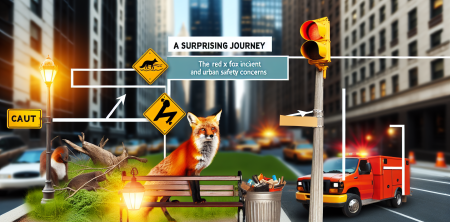
In an unexpected turn of events that has captured the attention of both animal lovers and maritime safety officials, a red fox recently found itself on an international adventure after stowing away on a cargo ship. The vessel, which made its journey from England to New York, became the unlikely setting for this curious creature's escapade. What unfolded was not only a tale of survival but also a reminder of the unforeseen incidents that can arise in both maritime and urban environments.
The Journey of the Red Fox
The red fox, known for its cunning nature and adaptability, made headlines after its surprise appearance aboard a cargo ship. While the exact circumstances of how the fox managed to board the vessel remain unclear, its journey from the shores of England to the bustling streets of New York City raises questions about wildlife interaction with human transportation systems.
Upon arriving in New York, the fox was discovered by the crew of the cargo ship, who promptly alerted authorities. The swift response from animal control ensured that the creature was safely captured and transported to the Bronx Zoo. Officials expressed relief at the successful outcome, noting that the fox would receive appropriate care and habitat adjustments suited to its needs.
Wildlife and Urban Spaces
This incident shines a light on the broader issue of wildlife navigating urban environments. As cities expand and human activities encroach on natural habitats, animals like the red fox increasingly find themselves in unfamiliar territory. The Bronx Zoo, known for its dedication to conservation and education, is now responsible for rehabilitating this adventurous fox. It will not only provide care but also serve as a platform to educate the public about wildlife preservation and the importance of maintaining natural ecosystems.
A Lightning Strike and Urban Infrastructure Safety
In a separate but equally concerning incident, a lightning strike in the same city led to a serious safety concern when it damaged a gas meter. The strike prompted immediate emergency response protocols, highlighting the vulnerabilities in urban infrastructure during severe weather events.
Emergency responders were quick to assess the situation, ensuring public safety and mitigating potential hazards. This incident underscores the importance of having robust safety measures in place for urban infrastructure, particularly as climate change leads to an increase in severe weather conditions. The interplay between natural phenomena and urban systems calls for a reevaluation of safety protocols to protect both residents and infrastructure.
Understanding Infrastructure Vulnerabilities
- Gas Meter Safety: Gas meters are critical components of urban infrastructure, and damage to these systems can pose significant risks, including leaks and explosions. Regular inspections and maintenance are essential.
- Emergency Preparedness: Cities must develop comprehensive emergency response plans that take into account various natural disasters, ensuring that resources are effectively allocated.
- Climate Resilience: Urban planners are increasingly focusing on building climate-resilient infrastructures to withstand extreme weather, reducing the likelihood of incidents like lightning strikes damaging essential services.
The Intersection of Wildlife and Urban Safety
The intersection of the red fox's journey and the lightning strike incident highlights a unique aspect of modern life: the coexistence of wildlife and urban development. As cities grow, the likelihood of encountering wildlife increases, leading to potential conflicts and safety concerns.
Moreover, events such as these serve as reminders of the unpredictability of life. The red fox's unexpected stowaway journey and the lightning strike that disrupted urban safety protocols remind us that both nature and human infrastructure can be vulnerable to unforeseen circumstances. These incidents encourage communities to foster a greater understanding of wildlife, as well as to enhance safety measures to protect urban residents.
Community Response and Awareness
The response from the community regarding the red fox incident has been overwhelmingly positive. Many residents expressed their relief that the animal was safely relocated and highlighted the importance of supporting local wildlife. Social media platforms have been buzzing with conversations about wildlife encounters, showcasing the public's fascination with animals and their habitats.
In light of these events, educational programs focused on urban wildlife management and safety protocols during extreme weather are gaining traction. Local organizations are working together to provide resources and workshops aimed at raising awareness of how to coexist with wildlife safely while also preparing for potential emergencies.
Conclusion
The recent red fox incident and the lightning strike that damaged a gas meter are more than just isolated events; they highlight the complex relationship between urban life and the natural world. As communities continue to grapple with environmental challenges, these occurrences serve as catalysts for change and improvement in both wildlife management and urban infrastructure safety. Ultimately, fostering a harmonious relationship with the natural world while ensuring the safety of urban residents is a challenge that requires ongoing dialogue and proactive measures.

