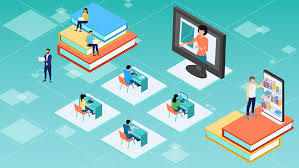
The relationship between education and entertainment continues evolving as dedicated teacher professionals navigate the realities of a media-saturated childhood landscape. Rather than positioning kids animated shows as competition for educational attention, forward-thinking educators increasingly recognize opportunities to transform these engaging programs into powerful learning tools. This integrative approach acknowledges children’s natural affinity for animated content while directing that enthusiasm toward meaningful educational outcomes that support curriculum objectives across multiple domains.
The thoughtful teacher understands that quality kids animated shows offer more than entertainment value—they provide specialized learning vehicles designed with developmental psychology in mind. From scientific concepts to historical events, mathematical thinking to emotional intelligence, well-crafted animation presents complex information through accessible narratives that resonate with young viewers. By incorporating these resources strategically into instructional planning, educators leverage children’s existing media interests while redirecting that engagement toward substantive learning experiences that extend beyond passive consumption.
This bridge-building approach addresses the reality that screen time constitutes a significant portion of many children’s daily experiences. According to recent studies, elementary-aged children average between one and three hours of screen time daily, with animated content representing a substantial percentage of this exposure. Rather than fighting against this cultural reality, effective educators work within it, helping students develop critical viewing habits that transform entertainment into educational opportunity. This media literacy dimension represents an essential competency for navigating our increasingly screen-mediated world—one that extends far beyond cartoon appreciation into all information consumption.
The cognitive benefits of thoughtfully selected animated content derive from the medium’s unique capacity to visualize abstract concepts through concrete representation. Animation can make visible what might otherwise remain conceptually challenging for developing minds—from cellular processes to historical timelines, mathematical operations to geological transformations. Research in educational psychology consistently demonstrates that visual learning supports concept formation and retention, particularly among younger students whose abstract reasoning capacities continue developing. By pairing these visual representations with teacher-guided discussions and hands-on learning experiences, educators create powerful multisensory learning opportunities.
Cultural representation in contemporary animated programming offers another valuable dimension for classroom application. Unlike previous generations of children’s media that often presented limited cultural perspectives, many current programs deliberately incorporate diverse characters, settings, and cultural practices. When teachers contextualize these representations through guided discussions, they transform entertainment into windows of cultural understanding that expand students’ worldviews beyond their immediate experience. This approach supports development of cultural competence and global citizenship—crucial skills in our increasingly interconnected world.
The narrative structures embedded within animated programming provide natural scaffolds for literacy development across multiple dimensions. Story elements like character development, conflict resolution, plot progression, and thematic exploration appear in accessible formats that allow young viewers to internalize these literary components through repeated exposure. Educators who explicitly identify these elements during viewing experiences help students develop analytical frameworks that transfer to traditional literature, building foundations for sophisticated textual analysis. This connection between visual storytelling and print literacy creates bridges between media consumption and academic reading skills.
Social-emotional learning finds particular support through character-centered animated narratives that explore interpersonal dynamics, emotional regulation, and ethical decision-making. Many contemporary programs deliberately incorporate storylines addressing friendship challenges, community building, emotional awareness, and conflict resolution. When teachers reference these shared stories during classroom discussions about behavior and relationships, they provide students with concrete examples that make abstract social concepts more accessible. These narrative references create common vocabulary for discussing complex emotional experiences that children encounter in their daily lives.
The collaborative viewing experience itself offers valuable opportunities for community building within classroom environments. Unlike individual screen time that often occurs in isolation, teacher-guided viewing creates shared experiences that generate collective reference points. The discussions, activities, and projects that emerge from these shared viewing experiences foster collaboration, communication, and community among students. This social dimension transforms what might otherwise be isolating media consumption into collective learning experiences that build classroom cohesion while developing essential interpersonal skills.
Parent partnerships represent another bridge constructed through thoughtful integration of animated content into educational practices. When teachers communicate clearly about how and why specific programs support learning objectives, they provide families with frameworks for more intentional home viewing practices. This guidance helps parents transform recreational screen time into more purposeful educational experiences through simple strategies like discussion questions, related activities, or extensions that connect to classroom learning. These school-home connections create consistency in approaches to media consumption while empowering parents as partners in their children’s educational journey.
The ultimate bridge this approach constructs extends between passive media consumption and active creation—positioning students not merely as audiences but as potential creators. Many educators find that after engaging with quality animation, students demonstrate increased motivation for creating their own stories, artwork, or dramatic interpretations. This transition represents a crucial shift in children’s relationship with media, developing agency rather than dependency. Teacher guidance during these creative processes helps students transfer the narrative structures, visual techniques, and storytelling approaches they’ve observed into their own expressive works.
As education continues evolving in our digital landscape, the integration of animated content represents not a compromise of academic standards but rather their natural extension into modern learning environments. By building thoughtful bridges between entertainment and education, between screen time and critical thinking, between passive viewing and active creation, forward-thinking educators transform potential classroom competitors into powerful pedagogical partners. This integrated approach honors children’s natural affinity for animated storytelling while developing essential skills that serve them throughout their academic journey and beyond.

