```html
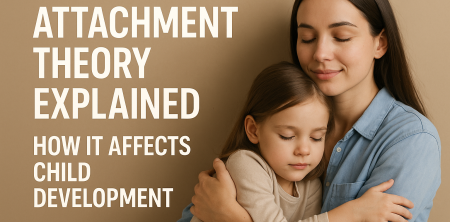
Attachment theory is a psychological framework that describes the dynamics of long-term relationships between humans, particularly focusing on the bonds formed between children and their caregivers. Developed in the mid-20th century by British psychologist John Bowlby, this theory has since evolved and expanded, providing insights into how early emotional bonds lay the groundwork for emotional and social development throughout life. In this article, we'll explore the key principles of attachment theory, its implications for child development, and practical insights for parents and educators.
Understanding Attachment Theory
At its core, attachment theory posits that the emotional bonds formed in early childhood significantly influence an individual's behavior and relationships as they grow. Bowlby's observations of children, especially those facing separation from their caregivers, led him to conclude that a child’s attachment to their primary caregiver serves as a crucial component for healthy psychological development. The theory identifies several attachment styles, each characterized by different behaviors and emotional responses.
Bowlby identified four main attachment styles: secure, anxious, avoidant, and disorganized. Secure attachment arises from consistent and responsive caregiving, while anxious attachment develops when caregivers are inconsistently available. Avoidant attachment is typically seen in children who experience distant or neglectful caregiving, and disorganized attachment often emerges from frightening or chaotic parental behavior.
The Four Attachment Styles
Understanding the four primary attachment styles is essential for grasping how attachment theory affects child development. Let’s break them down:
- Secure Attachment: Children with secure attachments tend to be confident and socially adept. They seek comfort from their caregivers when distressed and can easily explore their environment, knowing their caregiver is a reliable source of support.
- Anxious Attachment: Anxiously attached children may exhibit clinginess and dependency. They often worry about the reliability of their caregiver, leading to heightened anxiety in new situations.
- Avoidant Attachment: These children learn to suppress their emotions and may appear indifferent or aloof in relationships. They often avoid seeking comfort from caregivers, preferring to rely on themselves.
- Disorganized Attachment: Children with this attachment style exhibit conflicting behavior, showing both avoidance and anxiety. This often stems from inconsistent or frightening behaviors by caregivers, leading to confusion and fear.
Key Principles of Attachment Theory
Attachment theory operates on several key principles that help explain its relevance to child development. First and foremost is the idea that early experiences with caregivers shape the internal working models that influence an individual's future relationships. These internal models determine how people view themselves and others, guiding how they react to emotional situations.
Another significant principle is the concept of proximity-seeking behavior — children are naturally inclined to seek closeness to their caregivers when they feel threatened or distressed. This behavior ensures that children receive the care and protection they need to thrive.
Lastly, the theory emphasizes the importance of a responsive caregiver. Consistent and sensitive responses from caregivers foster secure attachments, while neglect or inconsistent caregiving can lead to insecure attachments and subsequent challenges in emotional regulation.
The Role of Caregivers in Attachment Development
Caregivers play a pivotal role in shaping a child's attachment style. Their behavior and interactions provide the emotional context in which children learn to relate to others. Responsive and sensitive caregivers who acknowledge and address their child's needs foster secure attachments that lead to positive developmental outcomes.
Research has shown that children with secure attachments are better equipped to manage stress, develop empathy, and build healthy relationships. On the other hand, children with insecure attachments often experience difficulties in emotional regulation and may struggle with social interactions. For instance, a study published in the journal Child Development found that securely attached children exhibited more cooperative behavior in peer interactions compared to their insecurely attached counterparts.
Attachment Theory and Social Development
As children grow, their attachment styles continue to influence their social interactions and relationships. Securely attached children are generally more adept at forming friendships and resolving conflicts. They tend to be more empathetic and better at recognizing social cues, which helps them navigate social settings effectively. (See: Wikipedia on Attachment Theory.)
In contrast, insecurely attached children may struggle with anxiety in social situations or may be overly reliant on others for validation. Anxiously attached children often fear rejection, while avoidant children might distance themselves from peers, missing out on the benefits of social interactions. This dynamic can have long-term implications; individuals with insecure attachment styles are at a higher risk for mental health issues, including anxiety and depression.
Impact on Academic Performance
The influence of attachment theory extends beyond social interactions into academic performance. Research indicates that securely attached children are more likely to exhibit positive attitudes towards learning and greater motivation in school. Their ability to form trusting relationships with teachers allows them to seek help when needed, create a supportive learning environment, and engage more fully in educational activities.
In contrast, children with insecure attachment styles may face barriers to academic success. Anxiously attached children might struggle with test anxiety or fear of failure, while avoidant children may disengage from the learning process altogether. A meta-analysis published in the journal Educational Psychology highlighted the correlation between secure attachment and academic achievement, underscoring the importance of fostering secure attachments in educational settings.
Practical Insights for Parents and Educators
Understanding attachment theory provides valuable insights for parents and educators seeking to foster healthy emotional development in children. Here are some practical strategies:
- Be Responsive: Pay attention to your child's cues and respond to their needs consistently. This fosters a sense of security and trust.
- Encourage Exploration: Provide a safe environment for your child to explore and learn. Allow them to venture out, knowing you are there for support when needed.
- Model Healthy Relationships: Demonstrate positive social interactions and conflict resolution skills. Children learn from observing the behavior of adults.
- Communicate Openly: Create an atmosphere where your child feels comfortable expressing their thoughts and emotions. Open communication strengthens the parent-child bond.
- Seek Support: If you notice signs of insecure attachment or emotional distress in your child, consider seeking guidance from a child psychologist or counselor.
Attachment Theory in Different Cultural Contexts
Attachment theory is often framed within a Western context, but it’s crucial to recognize that cultural differences can influence attachment styles. Variations in parenting practices, cultural values, and societal expectations can lead to different attachment outcomes. For instance, some cultures emphasize collectivism, where children are encouraged to be more interdependent with their caregivers. This might lead to different expressions of attachment compared to individualistic cultures that prioritize autonomy.
As such, it's essential for psychologists and educators to consider the cultural context when applying attachment theory. Researchers have begun exploring how attachment styles manifest in diverse cultural settings, emphasizing the need for a more nuanced understanding of attachment across different populations.
Current Relevance and Future Directions
In recent years, attachment theory has garnered renewed interest within various fields, including psychology, education, and even neuroscience. Advances in research methods, such as brain imaging studies, have allowed scientists to investigate how attachment experiences shape brain development and emotional regulation.
Additionally, attachment theory is increasingly being recognized in therapeutic settings. Therapists often incorporate attachment-focused strategies to help individuals address unresolved attachment issues and improve relationships. This trend highlights the ongoing relevance of attachment theory in understanding human behavior and emotional health.
The Lifelong Impact of Attachment
Ultimately, the implications of attachment theory extend far beyond childhood. The attachment styles developed in early life can influence adult relationships, parenting styles, and overall psychological well-being. Individuals with secure attachments are more likely to have healthy romantic relationships and exhibit effective parenting practices, perpetuating a cycle of secure attachments into future generations.
Conversely, those with insecure attachments may grapple with relationship challenges as adults, often repeating patterns from their childhood. Recognizing these patterns can empower individuals to seek change and foster healthier relationships moving forward.
Attachment Theory and Mental Health
Attachment theory is intricately linked to mental health outcomes. Research has shown that individuals with insecure attachment styles are at a higher risk for developing various mental health disorders such as anxiety, depression, and personality disorders. For example, a longitudinal study published in the Journal of Personality and Social Psychology found that adults with anxious or avoidant attachment styles were more likely to report symptoms of depression compared to their securely attached peers. Understanding this link can be crucial for mental health professionals in developing treatment plans that address underlying attachment issues. (See: NIH article on Attachment Theory.)
Attachment Styles in Romantic Relationships
Attachment styles don't just affect parent-child relationships; they also play a significant role in romantic relationships. Securely attached individuals typically have healthier relationships characterized by trust, open communication, and effective conflict resolution. In contrast, anxiously attached individuals may become overly preoccupied with their partner's availability and responsiveness, leading to clinginess and relationship stress. Avoidantly attached individuals might struggle to express their emotions or may have a fear of intimacy, often leading to emotional distance in their relationships.
Research indicates that recognizing one's attachment style can be transformative for adult relationships. Couples therapy that incorporates attachment theory often sees significant improvements in relationship satisfaction. For instance, a study in the Journal of Family Psychology found that couples who understood their attachment styles reported greater satisfaction and less conflict in their relationships.
Comparative Analysis of Attachment Theory with Other Theories
Attachment theory can be compared to other psychological theories that explore human relationships. For example, Erik Erikson's psychosocial development theory emphasizes the importance of social relationships across the lifespan, while Bowlby's attachment theory specifically focuses on the bonds formed in early childhood. Both theories acknowledge the influence of early experiences on later development, but attachment theory provides a more focused lens on emotional bonds.
Similarly, social learning theory posits that behaviors are learned through observing others. While both attachment theory and social learning theory recognize the importance of early relationships, attachment theory emphasizes the emotional and psychological foundation formed by these relationships. Understanding these differences can provide a more comprehensive view of human development.
FAQ About Attachment Theory
What is attachment theory?
Attachment theory is a psychological framework that explains the bonds formed between children and their caregivers and how these bonds influence emotional and social development throughout life.
Who developed attachment theory?
Attachment theory was developed by British psychologist John Bowlby in the mid-20th century, with further contributions from Mary Ainsworth, who conducted research on attachment styles.
What are the four attachment styles?
The four main attachment styles identified by Bowlby and Ainsworth are secure, anxious, avoidant, and disorganized. Each style reflects different caregiver behaviors and child responses.
How does attachment style affect adult relationships?
Attachment style can significantly impact adult romantic relationships. Securely attached individuals tend to have healthier relationships, while those with anxious or avoidant styles may experience difficulties with intimacy and emotional connection.
Can attachment styles change over time?
Yes, attachment styles can evolve due to new experiences, relationships, and therapeutic interventions. Understanding your attachment style can help you work toward developing a more secure attachment.
How can parents foster secure attachment in their children?
Parents can foster secure attachment by being responsive to their child's needs, providing a safe environment for exploration, and maintaining open communication. Consistency and sensitivity are key components in building trust.
Attachment Theory in Adulthood
As individuals transition into adulthood, the principles of attachment theory continue to manifest in various aspects of their lives. The way adults relate to their friends, partners, and even their own children often reflects the attachment styles formed in their childhood. For instance, securely attached adults generally have healthier friendships and are more likely to maintain long-term relationships. They communicate openly, are comfortable with intimacy, and handle conflicts more effectively.
On the other hand, adults with anxious attachment styles may find themselves in tumultuous relationships, characterized by jealousy and insecurity. They might frequently seek reassurance from their partners, which can strain the relationship over time. Avoidantly attached adults often struggle with intimacy, leading them to keep partners at arm's length, creating emotional distance. Understanding this can help individuals recognize patterns in their relationship behavior and seek to change them through personal development or therapy.
Attachment Theory and Parenting
The influence of attachment theory on parenting practices is profound. Parents who understand their own attachment styles can gain insight into their parenting behaviors. For example, an anxiously attached parent may become overly protective, possibly hindering their child's ability to develop independence. Conversely, avoidantly attached parents may struggle to provide the emotional support their children need, which can perpetuate cycles of insecure attachment.
Research has shown that parents who actively work on understanding and improving their attachment style can positively impact their children's emotional health. A study in the Journal of Family Psychology revealed that when parents engaged in reflective parenting — thinking about how their attachment styles influence their parenting — their children displayed more secure attachment behaviors. This highlights the importance of self-awareness in fostering secure attachments in the next generation.
Future Research Directions in Attachment Theory
Attachment theory is continually evolving, with ongoing research exploring new dimensions and applications. One area of interest is the intersection of attachment theory and neurobiology. Researchers are examining how early attachment experiences influence brain development, particularly in areas related to emotional regulation and social cognition. For instance, studies using fMRI scans have shown that securely attached individuals tend to have more developed areas of the brain associated with emotional processing.
Another promising avenue is the exploration of attachment in diverse family structures. As societal norms evolve, understanding how attachment theory applies to single-parent families, blended families, and LGBTQ+ families becomes increasingly important. This research can help create more inclusive parenting resources and therapeutic approaches.
Conclusion
In summary, attachment theory sheds light on the intricate connections between early relationships and lifelong emotional health. Understanding and applying the principles of attachment can equip parents, educators, and mental health professionals with the tools needed to nurture secure attachments, ultimately fostering positive developmental outcomes for children. The ongoing research and evolving perspectives surrounding attachment theory ensure that its relevance remains not just within the realm of psychology but across various aspects of human interaction and development.
```
Trending Now
Frequently Asked Questions
What is attachment theory in child development?
Attachment theory is a psychological framework developed by John Bowlby that explores the emotional bonds between children and their caregivers. It emphasizes how these early relationships influence a child's emotional and social development throughout life.
What are the four attachment styles?
The four attachment styles identified by Bowlby are secure, anxious, avoidant, and disorganized. Secure attachment is characterized by consistent caregiving, while anxious attachment arises from inconsistency. Avoidant attachment reflects distant caregiving, and disorganized attachment often results from chaotic parenting.
How does attachment theory impact a child's behavior?
Attachment theory suggests that the emotional bonds formed in early childhood significantly influence a child's behavior and relationships later in life. Securely attached children tend to be more confident and socially adept, while those with insecure attachments may struggle with emotional regulation and relationships.
Why is secure attachment important for child development?
Secure attachment is crucial as it fosters confidence, social skills, and emotional regulation in children. It enables them to explore their environment while knowing they can seek comfort from their caregivers, laying a strong foundation for healthy relationships and psychological well-being.
What can parents do to promote secure attachment?
To promote secure attachment, parents should provide consistent, responsive caregiving. This includes being emotionally available, recognizing and responding to a child's needs, and creating a safe environment where the child feels comfortable exploring and expressing themselves.
What did we miss? Let us know in the comments and join the conversation.

