```html
1. Understanding the Filipino OFW Phenomenon
The Overseas Filipino Worker (OFW) phenomenon is an integral part of the Philippines' economy and society. With millions of Filipinos working abroad, the OFW community has become a vital source of remittances, which significantly contribute to the country’s GDP. This trend has been fueled by a combination of factors, including limited local job opportunities, high unemployment rates, and the pursuit of better living standards. As we look towards 2027, understanding the best countries for Filipino OFWs is crucial for those seeking employment opportunities abroad.
Filipino workers are known for their resilience and adaptability, making them highly sought after in various sectors worldwide. With skills ranging from healthcare and construction to hospitality and information technology, OFWs have made their mark in numerous industries. This article will explore the most promising destinations for Filipino workers in 2027, considering factors like job availability, salary prospects, living conditions, and the overall experience.
2. The Impact of Global Trends on OFW Destinations
As the global economy evolves, different countries emerge as favorable destinations for OFWs. Several factors influence this shift, including economic stability, labor demand, immigration policies, and social acceptance of foreign workers. In 2027, countries with strong economies and a high demand for skilled labor will likely become hotspots for Filipino workers.
For instance, countries such as Canada and Australia have implemented immigration pathways that favor skilled migrants, including OFWs. Changes in labor market demands, particularly in healthcare and technology, have created a burgeoning market for Filipino professionals. Understanding these global trends will help potential OFWs make informed choices about where to seek employment.
3. Top Destinations for Filipino OFWs in 2027
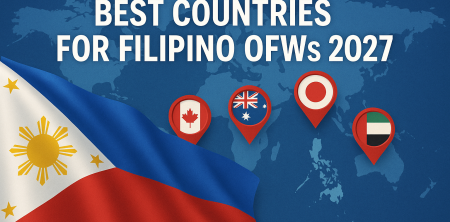
Several countries have consistently ranked as the best for Filipino OFWs. Here’s a closer look at the top destinations for 2027:
- 1. Canada: Known for its welcoming immigration policies, Canada has become a haven for skilled workers, including OFWs. The country’s demand for healthcare professionals, engineers, and IT specialists continues to grow.
- 2. Australia: With its robust economy and high standard of living, Australia remains a prime destination for Filipino workers. The country actively seeks skilled labor in various sectors, providing opportunities for professional growth.
- 3. United States: Despite stringent immigration policies, the U.S. continues to attract Filipino workers, especially in healthcare and technology. Filipino nurses, in particular, are highly valued in the American healthcare system.
- 4. United Arab Emirates: The UAE is a long-standing favorite for many OFWs, particularly in sectors like construction, hospitality, and healthcare. The tax-free income and vibrant culture are key attractions.
- 5. Saudi Arabia: Saudi Arabia has historically been a top destination for Filipino workers, especially in construction and healthcare. The ongoing development projects in the region present ample job opportunities.
- 6. Qatar: With the FIFA World Cup boosting infrastructure development, Qatar offers numerous job opportunities, especially for skilled laborers and professionals in various sectors.
- 7. United Kingdom: The UK is experiencing a shortage of healthcare professionals, making it an appealing destination for Filipino nurses and caregivers.
- 8. Japan: Japan's aging population has led to an increased demand for caregivers and healthcare workers, providing a unique opportunity for OFWs.
4. Job Opportunities and Salaries: What to Expect
One of the most critical factors for OFWs choosing a destination is job availability and salary expectations. Countries like Canada and Australia not only offer competitive salaries but also provide comprehensive benefits and a high standard of living. For example, healthcare professionals in Canada can earn an average annual salary of around $80,000, while skilled laborers in Australia may see salaries exceeding AUD 70,000.
In contrast, countries in the Middle East, such as the UAE and Saudi Arabia, often provide attractive salary packages, tax-free earnings, and additional benefits like housing allowances. However, it’s essential to consider the cost of living and work environment when evaluating these opportunities. While the salaries may be high in these regions, the lifestyle and cultural adaptation can vary significantly.
5. Cultural Adaptation and Social Acceptance
Cultural integration and social acceptance can significantly impact the overall experience of OFWs in a foreign country. For instance, countries with diverse populations like Canada and Australia tend to be more welcoming and inclusive, making it easier for Filipinos to adapt. These nations often have established Filipino communities that provide support and camaraderie.
On the other hand, adapting to life in countries like Saudi Arabia or Qatar may present challenges due to cultural differences and stricter social norms. It’s crucial for aspiring OFWs to research and understand the cultural dynamics of their target countries, as this knowledge can ease the transition and foster a more positive experience. (See: Migrant health information.)
6. Legal Protections and Work Rights for OFWs
Understanding legal protections and work rights is vital for OFWs looking to work in foreign lands. Countries like Canada and Australia have robust labor laws that protect workers, ensuring fair wages, safe working conditions, and the right to unionize. These protections are critical in safeguarding the rights of OFWs against exploitation and abuse.
In contrast, some nations may lack comprehensive labor laws, making it imperative for OFWs to be aware of their rights and the resources available to them. The Philippine government provides support through the Overseas Workers Welfare Administration (OWWA) and the Department of Foreign Affairs (DFA), which help OFWs navigate legal issues and advocate for their rights abroad.
7. Preparing for Your OFW Journey
Preparation is key for anyone considering becoming an OFW. Before embarking on this journey, it's essential to gather necessary documentation, including your passport, work permits, and relevant qualifications. Additionally, researching your destination—understanding the culture, job market, and cost of living—can help set realistic expectations and minimize potential challenges.
Moreover, financial preparation is crucial. Establishing a budget that accounts for both your income and expenses in your host country can aid in managing your finances effectively. It's also advisable to open a local bank account upon arrival, as this can simplify transactions and manage remittances back home.
8. The Future of Filipino OFWs: Trends to Watch
The future of Filipino OFWs appears promising, with several trends shaping the landscape. As technology continues to evolve, remote work opportunities may become more prevalent, allowing OFWs to work for international companies without leaving the Philippines. This shift could potentially increase access to higher-paying jobs while staying close to home.
Furthermore, countries are likely to continue adapting their immigration policies to meet labor demands. The Philippines will need to keep pace with these changes to ensure that its workforce remains competitive and equipped with the necessary skills. Continuous education and training programs will be essential for OFWs to thrive globally.
9. Economic Contributions of OFWs
The economic impact of OFWs extends beyond remittances. In 2022 alone, OFW remittances accounted for about $34 billion, which is roughly 9% of the Philippines' GDP. This influx of money not only supports families but also stimulates local economies. The money sent home is often used for education, health care, and small business investments, which contribute to the overall economic development of the country.
Moreover, the skills and experiences that OFWs acquire abroad can also have a ripple effect when they return home. Many OFWs come back with enhanced skills, a broader perspective, and even entrepreneurial ambitions, which can lead to job creation and innovation in the Philippines. This cycle demonstrates the long-term benefits of the OFW phenomenon, not just for individuals but for the country as a whole.
10. Challenges Faced by OFWs
While many Filipino workers thrive abroad, they also face numerous challenges. One significant issue is the risk of exploitation and abuse. Some OFWs may encounter unfair labor practices, including low wages, poor working conditions, and even human trafficking. Countries with weaker labor protections are often hotspots for these issues, making it crucial for potential OFWs to remain vigilant and informed about their rights.
Another challenge is the emotional strain of being away from family. The distance can lead to feelings of loneliness and homesickness, which can significantly impact mental health. Many OFWs work long hours and may struggle to communicate with their families back home, further exacerbating these feelings. Support systems, whether through community organizations or social media, can play a vital role in helping OFWs cope with these challenges.
11. FAQ: Common Questions About Filipino OFWs
What are the most popular professions for Filipino OFWs?
Filipino OFWs work in various sectors, with the most popular professions being in healthcare (nurses, caregivers), engineering, construction, hospitality (chefs, service staff), and information technology. The demand for skilled labor in these fields remains high, particularly in countries like Canada, Australia, and the Middle East. (See: Immigrant and refugee health.)
How can I find a job as an OFW?
There are several avenues for finding a job as an OFW. Many individuals utilize job placement agencies specializing in overseas employment. Online job boards and social media platforms also offer numerous listings for OFW positions. Networking within the Filipino community abroad can provide job leads and valuable advice for new arrivals.
What should I consider before working abroad as an OFW?
Before working abroad, it's essential to consider the job market, salary expectations, cost of living, cultural differences, legal work rights, and support systems in your target country. Researching these factors can help you make informed decisions and prepare for a successful experience abroad.
Are there specific training programs for OFWs?
Yes, the Philippine government and various non-governmental organizations offer training programs for OFWs. These programs often focus on skill enhancement, financial literacy, and cultural sensitivity, preparing workers for the challenges they may face abroad. Continuous education can also help OFWs adapt to changing job markets.
How do I send money back home?
Most OFWs use remittance services, banks, or online money transfer services to send money back to the Philippines. Options like Western Union, MoneyGram, and online platforms like PayPal or GCash are popular for their ease of use and accessibility. It's important to compare fees and exchange rates to ensure you get the best deal.
12. The Role of Technology in the Future of OFWs
Technology is reshaping the landscape for OFWs in numerous ways. Online job portals and social media platforms have revolutionized the way workers search for jobs abroad. In 2027, expect to see more sophisticated recruitment technologies that use AI to match candidates with jobs that suit their skills and preferences better. This will streamline the application process, making it easier for OFWs to find suitable employment quickly.
Additionally, technology is enhancing communication options for OFWs, enabling them to stay connected with their families back home. Apps like WhatsApp and Skype have made it possible to bridge the gap of distance, allowing for real-time conversations and video calls. This connection is essential for maintaining relationships and mitigating feelings of loneliness that many OFWs experience. There's a fuller look at future job prospects.
In the realm of financial transactions, technological advances have simplified how OFWs send remittances. Digital wallets and mobile banking services are growing in popularity, allowing workers to transfer money to their families with just a few taps on their smartphones. This ease of access is vital for OFWs, who often prioritize ensuring their families are financially secure.
13. Emerging Markets for OFWs
While traditional destinations like Canada and the UAE remain popular, emerging markets are beginning to attract Filipino workers as well. Countries such as New Zealand, Germany, and South Korea are showing increasing demand for skilled labor, particularly in sectors like healthcare, engineering, and manufacturing.
New Zealand, for instance, has been actively recruiting healthcare professionals due to its aging population and expanding healthcare needs. Similarly, Germany's strong economy and labor shortages in skilled professions make it an appealing option for OFWs. Language barriers are a consideration in these markets; however, many organizations offer language courses to help Filipino workers integrate smoothly. (See: Associated Press news on labor trends.)
14. Personal Stories: OFWs Making a Difference
Personal stories of OFWs often highlight the resilience and determination they exhibit while working abroad. One such story is that of Maria, a nurse in Canada, who started as a caregiver. With hard work and dedication, she pursued further education and is now leading a team of healthcare professionals. Maria not only supports her family back in the Philippines but also provides scholarships for underprivileged children in her hometown.
Likewise, John, a construction worker in Australia, shares how he overcame struggles by learning the local dialect and building relationships with coworkers. His story emphasizes the importance of community and how sharing experiences with fellow OFWs creates a support system that helps everyone thrive.
15. Industry Insights: Key Sectors Hiring OFWs
In 2027, certain industries are expected to have a high demand for Filipino OFWs. The healthcare sector, especially in Canada, Australia, and the UK, is projected to continue its growth, driven by aging populations and increasing healthcare needs. The technology sector also shows promise, particularly for software developers and IT specialists, as companies seek to innovate and improve efficiency.
Construction is another sector that remains robust, especially in the Middle East and emerging markets. Infrastructure projects are booming in countries like Qatar, where significant investments are being made. This opens up many job opportunities for skilled laborers and engineers alike. Understanding these industry trends can help OFWs position themselves effectively in the job market.
16. Closing Thoughts: Empowering Filipino OFWs
Choosing the best countries for Filipino OFWs in 2027 requires careful consideration of multiple factors, from job availability to cultural compatibility and legal protections. As globalization continues to shape the job market, the opportunities for Filipino workers are expanding. Whether you aspire to work in Canada, Australia, or the Middle East, thorough research and preparation will pave the way for a successful OFW experience.
Ultimately, the journey of an OFW is not just about economic gain but also about personal growth and cultural exchange. By being well-informed and adaptable, Filipino workers can continue to thrive and contribute positively to their host countries while enhancing their lives and the lives of their families back home.
```
Trending Now
Frequently Asked Questions
What are the best countries for Filipino OFWs in 2027?
In 2027, the best countries for Filipino OFWs include Canada, Australia, and the United States, among others. These countries offer strong economies, high demand for skilled labor, and favorable immigration policies, making them ideal destinations for overseas employment.
Why do Filipinos choose to work abroad?
Filipinos choose to work abroad primarily due to limited local job opportunities and the pursuit of better living standards. The Overseas Filipino Worker (OFW) phenomenon significantly contributes to the Philippines' economy through remittances.
What factors influence OFW destinations?
Factors influencing OFW destinations include economic stability, labor demand, immigration policies, and the social acceptance of foreign workers. These elements play a crucial role in determining where Filipino workers can find employment opportunities.
What skills are in demand for Filipino workers abroad?
Filipino workers possess a diverse skill set that is in demand globally, particularly in sectors like healthcare, construction, hospitality, and information technology. Their resilience and adaptability make them highly sought after in various industries.
How do global trends affect OFW employment opportunities?
Global trends significantly impact OFW employment opportunities by shifting labor market demands. In 2027, countries with strong economies and high demand for skilled labor, particularly in healthcare and technology, will likely attract more Filipino workers.
Have you experienced this yourself? We'd love to hear your story in the comments.

