```html
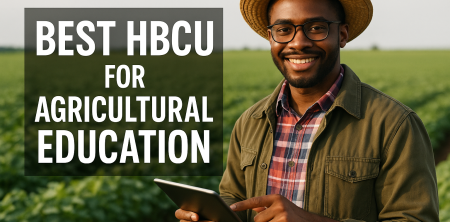
Historically Black Colleges and Universities (HBCUs) play a crucial role in shaping the educational landscape for African American students, particularly in fields like agriculture. With their unique missions and community-centric approaches, HBCUs have carved out a significant niche in agricultural education. In this article, we’ll explore the best HBCU for agriculture by examining nine institutions that offer exceptional programs in agricultural sciences, research opportunities, and community engagement.
1. Florida A&M University (FAMU)
Florida Agricultural and Mechanical University, known as FAMU, is a standout institution in agricultural education. The university offers a Bachelor of Science in Agricultural Science, which encompasses various disciplines, including animal science, plant science, and food science. FAMU’s School of Agriculture and Food Sciences is dedicated to enhancing the quality of life in Florida and beyond through research and education.
The university is also home to the College of Agriculture and Food Sciences, which emphasizes sustainability and environmental stewardship in its curriculum. FAMU regularly collaborates with state agricultural agencies and organizations, providing students with real-world experiences through internships and cooperative education programs. This approach ensures that graduates are well-prepared to tackle contemporary agricultural challenges.
2. North Carolina A&T State University
North Carolina A&T State University (NC A&T) boasts one of the largest agricultural programs among HBCUs. The university's College of Agriculture and Environmental Sciences offers a variety of undergraduate and graduate programs in agricultural education, agribusiness, and food science. It is recognized for its focus on research and innovation, often receiving significant funding for agricultural research initiatives.
One of the crown jewels of NC A&T is its Cooperative Extension program, which extends educational resources and support to local farmers and communities. This hands-on experience empowers students to engage with the agricultural sector, fostering a greater understanding of both modern agricultural practices and community needs. The university effectively combines academic rigor with practical application, making it a leading contender for the title of the best HBCU for agriculture.
3. Tennessee State University
Tennessee State University (TSU) is another exemplary institution for agricultural education. The College of Agriculture offers comprehensive programs in agriculture, animal science, and food technology. TSU's curriculum is designed not only to impart knowledge but also to cultivate leadership skills among students, preparing them for diverse careers in the agricultural sector.
Moreover, TSU operates the Extension and Research Center, which focuses on research pertinent to Tennessee's agricultural needs. This center facilitates hands-on learning opportunities for students while also contributing to local agricultural advancements. TSU’s commitment to community-based outreach and education underscores its status as one of the leading HBCUs in agricultural studies.
4. Prairie View A&M University
Located in Texas, Prairie View A&M University (PVAMU) has a strong emphasis on agricultural education through its College of Agriculture and Human Sciences. The university offers diverse programs ranging from agronomy and horticulture to agricultural economics. PVAMU promotes sustainable agricultural practices and innovative techniques, making it a vital player in the field.
PVAMU is also known for its applied research projects, which involve students directly in solving real-world agricultural problems. The university operates several farms and research centers that provide students with hands-on experiences critical for their development. The combination of theoretical knowledge and practical application solidifies PVAMU's reputation as a prominent HBCU for aspiring agricultural professionals.
5. South Carolina State University
South Carolina State University (SCSU) offers a robust program in agricultural education through its College of Agriculture, Forestry, and Environmental Sciences. The university places a strong focus on research and community service, facilitating a comprehensive understanding of agricultural issues facing South Carolina and the broader region.
SCSU's programs are designed to be interdisciplinary, bridging the gap between traditional agriculture and modern practices such as agroecology and sustainable farming techniques. Students at SCSU benefit from hands-on experiences in local farming initiatives and community outreach, allowing them to apply their education in meaningful ways. This holistic approach further establishes SCSU as one of the best HBCUs for agriculture. (See: Historically Black Colleges and Universities.)
6. Delaware State University
Delaware State University (DSU) is on the forefront of agricultural education, offering a Bachelor of Science degree in Agriculture. The university’s programs focus extensively on research and innovation in agriculture, emphasizing sustainable practices and food security. DSU is known for its close ties to agricultural industries, providing students with critical networking opportunities.
The university also operates a state-of-the-art research farm, where students can engage in hands-on learning while contributing to ongoing agricultural studies. Through internships and cooperative education programs, DSU prepares its graduates for successful careers, reinforcing its status as a leading HBCU in the field of agriculture.
7. Virginia State University
Virginia State University (VSU) combines a rich historical legacy with a commitment to excellence in agricultural education. Its College of Agriculture offers a variety of programs that cater to the evolving needs of the agricultural sector. VSU places a strong emphasis on research, sustainability, and community engagement, ensuring that students receive a comprehensive education.
With numerous outreach programs and partnerships with local farms, VSU enhances students' practical experiences in agriculture. The university supports initiatives aimed at addressing food insecurity and promoting sustainable farming practices, making it a significant player in the conversation around modern agriculture. As a result, VSU stands out as one of the best HBCUs for agriculture.
8. Clark Atlanta University
While Clark Atlanta University (CAU) is primarily known for its liberal arts programs, it also offers a minor in agriculture through its Environmental and Health Sciences program. CAU’s approach is unique, focusing on the environmental impacts of agriculture and the contributions of urban agriculture to food security.
The university emphasizes research and community partnerships, allowing students to engage with local urban farming initiatives. This innovative perspective on agriculture prepares students to address contemporary challenges in food production and sustainability. CAU’s commitment to environmental stewardship and urban agriculture positions it as a noteworthy institution within the HBCU landscape.
9. Winston-Salem State University
Winston-Salem State University (WSSU) may not be primarily recognized for agriculture, but it offers valuable programs in environmental science and health that intersect with agricultural studies. The university emphasizes community engagement and research in sustainability, preparing students for careers in various agricultural-related fields.
WSSU’s collaboration with local agricultural initiatives enhances students’ learning experiences, enabling them to apply theoretical knowledge in practical settings. The focus on environmental health and sustainability enriches the academic experience for students at WSSU, contributing to its growing reputation in agricultural education.
The Importance of Agricultural Education at HBCUs
HBCUs have historically been instrumental in fostering the agricultural workforce. They not only provide education but also address food security issues, particularly in underserved communities. According to the U.S. Department of Agriculture, African Americans represent approximately 1.3% of the nation's farmers, which highlights a significant opportunity for HBCUs to educate the next generation of agricultural leaders.
With a growing emphasis on sustainable practices, HBCUs are uniquely positioned to lead in agricultural research and education. Their commitment to serving diverse communities allows them to tailor programs that address local and regional agricultural challenges. The integration of traditional agricultural knowledge with innovative practices prepares students to meet the demands of a rapidly changing agricultural landscape.
Challenges Facing Agricultural Programs at HBCUs
Despite their successes, agricultural programs at HBCUs face unique challenges. Funding disparities compared to predominantly white institutions can limit resources for research and student support. According to a report by the Association of Public and Land-Grant Universities, HBCUs receive less federal funding for agricultural research, impacting their ability to compete in research initiatives.
Additionally, the perception of agriculture as a viable career path among African Americans remains a barrier. Many students might not consider agriculture due to a lack of representation in the field. HBCUs are working to change this by showcasing successful alumni and providing mentorship programs that connect current students with industry professionals.
Future Trends in Agricultural Education at HBCUs
As the demand for sustainable practices grows, HBCUs are adapting their agricultural programs to meet new challenges. This includes an increased focus on urban agriculture, agroecology, and food systems management. By integrating technology into the curriculum, such as precision agriculture and data analytics, students are being equipped with the skills needed for modern agricultural careers. (See: HBCUs in Agriculture.)
Partnerships with local governments, NGOs, and agricultural businesses are becoming more common, providing students with real-world experiences and networking opportunities. These collaborations not only enhance educational outcomes but also contribute to community development initiatives that address food insecurity and promote local agriculture.
What Makes an HBCU the Best Choice for Agriculture?
Choosing the right institution for agricultural studies involves several factors. It's essential to consider aspects like curriculum diversity, faculty expertise, research opportunities, and community engagement. The best HBCUs for agriculture offer a blend of theoretical and practical education, with a strong emphasis on sustainability.
Additionally, support services such as academic advising, mentorship programs, and career placement assistance can significantly impact a student's success. Engaging with alumni networks and industry connections can also help students transition smoothly into the workforce after graduation.
Student Testimonials: Voices from the Field
HBCU students pursuing agricultural studies often share transformative experiences that shape their career paths. For instance, a recent graduate from NC A&T noted that the hands-on projects, such as working on local farms during her summer internships, profoundly influenced her understanding of sustainable practices. “It was eye-opening to see how much impact local agriculture has on community health and economics. I feel prepared to make a real difference,” she shared.
Similarly, a student at FAMU emphasized the importance of community engagement in her education. “Participating in outreach programs gave me a chance to apply what I learned in the classroom. It’s one thing to study agriculture, but another to see its effects on people’s lives,” she said. These testimonials highlight the vital role of practical experience and community interaction in shaping the future of these students and their contributions to the field.
Innovative Research Initiatives at HBCUs
HBCUs are not just about teaching; many are on the cutting edge of agricultural research. For example, North Carolina A&T has been a leader in researching climate-resilient crops, which is increasingly important as climate change affects agricultural production globally. Their innovative studies aim to develop and promote crops that can withstand extreme weather conditions, helping farmers adapt to changing climates.
At Tennessee State University, researchers are exploring vertical farming techniques, which can revolutionize urban agriculture by maximizing limited space. These projects not only involve faculty and students but also engage the community, providing solutions to food deserts and promoting local food systems.
These research initiatives underscore the critical role HBCUs play in not only educating future agricultural leaders but also in advancing knowledge that directly benefits communities both locally and globally.
Statistics on HBCU Contributions to Agriculture
The impact of HBCUs in agriculture can be quantified through various statistics. According to a 2021 study by the National Center for Education Statistics, HBCUs produce approximately 30% of all African American graduates in agriculture-related fields. This statistic underscores the importance of these institutions in fostering diversity within the agricultural sector.
Additionally, a report by the U.S. Department of Agriculture highlights that HBCUs are responsible for over 25% of the research conducted on minority farming issues. This research is critical in addressing the unique challenges faced by African American farmers, contributing significantly to policy discussions and agricultural practices.
Furthermore, many graduates from HBCUs are entering leadership roles in governmental agencies and agricultural organizations, thus influencing policy and practice at higher levels. This statistic reinforces the notion that HBCUs are essential for developing leaders who understand the complexities of agriculture in diverse communities. (See: Health and Academics in Education.)
FAQ About HBCUs and Agriculture
1. What programs are typically offered in agricultural studies at HBCUs?
Most HBCUs offer a range of programs including degrees in agricultural science, agricultural education, agribusiness, food science, and environmental science. Many also provide opportunities for specialization in areas like sustainable agriculture, food security, and urban agriculture.
2. How do HBCUs address issues of food security?
HBCUs engage in community outreach programs, research initiatives, and partnerships with local organizations to address food insecurity. By educating students and local communities about sustainable practices and food production, they contribute to improving food access and security.
3. Are there scholarships available for students pursuing agriculture at HBCUs?
Yes, many HBCUs offer scholarships specifically for students in agricultural programs. Additionally, there are several external scholarships and grants available from agricultural organizations and foundations aimed at supporting underrepresented students in the field. For more on this, see top HBCU rankings.
4. What kind of career opportunities can I expect with a degree in agriculture from an HBCU?
Graduates can pursue careers in various sectors such as agribusiness, food production, environmental consulting, agricultural education, and research. Many also find roles within government agencies, non-profits, and international organizations focused on agriculture and food security.
5. How do HBCUs prepare students for the challenges in modern agriculture?
HBCUs incorporate hands-on learning experiences, internships, and cooperative education programs into their curricula. They also focus on emerging trends, such as sustainability and technology in agriculture, ensuring students are well-prepared to face future challenges in the industry.
6. What partnerships do HBCUs have to enhance their agricultural programs?
HBCUs often collaborate with local governments, agricultural businesses, and NGOs to enhance their agricultural programs. These partnerships can provide students with internships, research opportunities, and resources that support their education and career preparation.
7. How can I get involved with agricultural initiatives while studying at an HBCU?
Many HBCUs have student organizations focused on agriculture and environmental sciences. Joining these groups can provide networking opportunities, hands-on projects, and community outreach experiences that enrich your educational journey.
In summary, the landscape of agricultural education among HBCUs is rich and varied. Each of these institutions offers unique strengths, making them standout choices for students interested in pursuing careers in agriculture. Whether through research, community engagement, or innovative practices, these universities lead the way in shaping the future of agricultural education. As you consider your options, remember that an HBCU could provide not only a quality education but also a supportive community focused on your success in the agricultural field.
```
Trending Now
Frequently Asked Questions
What is the best HBCU for agricultural education?
Florida A&M University (FAMU) is often regarded as the best HBCU for agricultural education, offering a comprehensive Bachelor of Science in Agricultural Science and emphasizing sustainability and real-world experiences through collaborations with state agricultural agencies.
What programs are offered in agricultural education at HBCUs?
HBCUs like Florida A&M University and North Carolina A&T State University offer a variety of programs in agricultural education, agribusiness, food science, and environmental sciences, catering to both undergraduate and graduate students.
How do HBCUs contribute to agricultural research?
HBCUs contribute to agricultural research by securing funding for innovative projects and engaging in community outreach through programs like North Carolina A&T's Cooperative Extension, which brings research directly to local communities.
What are the benefits of studying agriculture at an HBCU?
Studying agriculture at an HBCU provides students with a culturally rich environment, access to unique programs focused on community engagement, and opportunities for hands-on experience through internships and cooperative education.
Are HBCUs known for their agricultural programs?
Yes, HBCUs are recognized for their strong agricultural programs, with institutions like North Carolina A&T State University housing one of the largest agricultural programs among HBCUs, focusing on research, innovation, and community involvement.
What's your take on this? Share your thoughts in the comments below — we read every one.

