Introduction
The landscape of early childhood education in the United States is undergoing a significant transformation, with record numbers of children enrolling in state-funded preschool programs. Recent data reveals that enrollment has reached an all-time high, with approximately 1.8 million children participating in these programs during the most recent school year. This surge in participation not only marks a milestone for early education but also points to a broader shift towards making preschool accessible to more families across the nation.
Enrollment Statistics: A Closer Look
According to the latest annual report from the National Institute for Early Education Research (NIEER), the rise in preschool enrollment reflects an increasing commitment to early childhood education, with 37% of 4-year-olds and 10% of 3-year-olds now attending state-funded preschools. This increase represents a net gain of 44,000 students compared to previous years, indicating a growing recognition of the importance of early learning in child development.
State-Led Initiatives and Funding
The surge in preschool enrollment has been largely attributed to various state initiatives aimed at expanding access to early education. A significant driver of this trend is the unprecedented $14.4 billion investment in early childhood education, which has allowed states to enhance their programs, improve facilities, and hire additional qualified staff. This financial commitment reflects a broader understanding of the long-term benefits of early education, including improved academic outcomes and social development.
California: The Leader in Preschool Enrollment
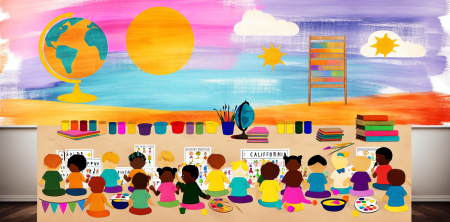
Among the states, California has emerged as a frontrunner in expanding preschool access, significantly influencing national trends. The Golden State accounted for over half of the national increase, adding 25,000 new students to its preschool programs. Central to this achievement is California's initiative to make every 4-year-old eligible for its 'transitional kindergarten' program, which serves as a bridge between preschool and kindergarten.
The Transitional Kindergarten Program
California's transitional kindergarten program is designed to provide children with a strong foundation for their educational journey. This initiative not only increases enrollment but also emphasizes developmental readiness, ensuring that children are prepared for the academic demands of kindergarten. The program has gained popularity among parents and educators alike, as it offers a structured yet nurturing environment for young learners.
Challenges and Trade-offs
Despite the positive developments in preschool enrollment, the rapid rollout of California's transitional kindergarten program has not been without challenges. The swift expansion has led to concerns about the quality of education that children receive. As enrollment numbers rise, educators and administrators are faced with the task of maintaining high standards in a system that is experiencing unprecedented growth.
Quality Assurance Measures
- Training and Support: States need to invest in ongoing professional development for teachers to ensure they are equipped to meet the diverse needs of their students.
- Curriculum Development: Developing a robust curriculum that aligns with developmental milestones is crucial for maintaining educational quality.
- Class Size Considerations: Managing class sizes to ensure individual attention for each child is essential for effective learning experiences.
- Family Engagement: Encouraging active participation from families in the educational process enhances the overall learning environment.
The Role of Federal Support
Federal support has played a significant role in facilitating the expansion of state-funded preschool programs. Policymakers have begun to recognize the critical importance of early education in shaping future success, leading to increased funding and resources allocated towards preschool initiatives. This federal backing complements state efforts and allows for a more cohesive approach to early childhood education.
Long-term Benefits of Early Education
Research consistently shows that children who attend high-quality preschool programs are more likely to succeed in school and beyond. Benefits of early education include:
- Improved academic performance in later grades
- Enhanced social skills and emotional regulation
- Higher graduation rates
- Increased likelihood of pursuing higher education
- Reduced likelihood of involvement in the criminal justice system
Future Outlook for Preschool Enrollment
As states continue to prioritize early childhood education, the future looks promising for preschool enrollment. The ongoing commitment to universal access and quality education is likely to drive further increases in participation rates. Policymakers must remain vigilant in addressing the challenges that come with expansion while ensuring that the quality of education remains a top priority.
Potential Areas for Growth
- Integration of Technology: Utilizing technology in the classroom can enhance learning experiences, making them more engaging and interactive for young learners.
- Focus on Inclusivity: Expanding programs to include children with disabilities and those from diverse backgrounds can create a more equitable educational landscape.
- Partnerships with Community Organizations: Collaborating with local organizations can provide additional resources and support for preschool programs.
- Parent Education Programs: Offering resources and workshops for parents can empower families to support their children's education at home.
Conclusion
The increase in state-funded preschool enrollment represents a significant step forward in the quest for universal early childhood education in the United States. With California at the forefront of this movement, the emphasis on making preschool accessible to all children is gradually becoming a reality. The challenges associated with rapid growth must be addressed to ensure that the quality of education remains high, but the potential long-term benefits for children, families, and society as a whole are worth the investment. As states continue to embrace early education, the hope is that all children will have the opportunity to thrive from the very start of their educational journey.

