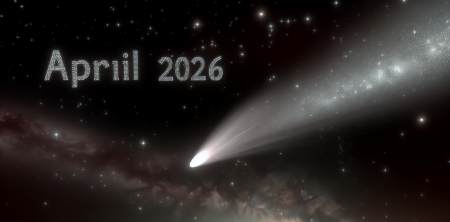
The cosmos is once again putting on a show, and this April, sky enthusiasts have a special treat in the form of Comet C/2025 R3 (PanSTARRS). Currently shining at around 6th magnitude, this comet is expected to brighten further, making it a must-see object for amateur astronomers and stargazers alike.
Viewing Opportunities
For those eager to catch a glimpse of Comet C/2025 R3, early mornings are the best time to observe it. The comet rises around 3:40 A.M. local daylight time and reaches an altitude of 10° by approximately 4:45 A.M.. During this time, it will be located near the Great Square of Pegasus, a prominent asterism in the night sky that makes locating the comet easier.
Locating the Comet
To find Comet C/2025 R3, start by identifying the stars Alpha (Markab) and Beta (Scheat) Pegasi, which form part of the Great Square. The comet can be found by shifting approximately 5° north-northwest from Markab. This straightforward approach should help observers spot the comet without too much difficulty.
Brightening Predictions
While Comet C/2025 R3 is currently at 6th magnitude, predictions suggest that it could brighten by at least two additional magnitudes this month. Such an increase in brightness is exciting, as it could make the comet visible to the naked eye under the right conditions. However, it's important to note that predictions about comet brightness can vary significantly, and actual visibility may depend on various factors, including atmospheric conditions and light pollution.
Recent Observations
Astrophotographer Chris Schur provided insights into the comet's recent activity, noting that on March 26, it exhibited an 8th magnitude glow along with a long tail and notable disconnection events. Such phenomena can occur when the comet's nucleus releases gas and dust, leading to temporary changes in its appearance. These observations highlight the dynamic and unpredictable nature of comets, making each sighting a unique experience.
What to Expect This Month
As April progresses, observers should be aware that Comet C/2025 R3 will gradually sink lower in the sky, eventually becoming invisible in the Northern Hemisphere by the end of the month. This means that your window of opportunity to see this celestial wanderer is limited. Therefore, those interested in catching a glimpse of the comet should plan their observations accordingly.
Tips for Observation
If you’re planning to observe Comet C/2025 R3, here are some tips to enhance your experience:
- Find a Dark Location: Light pollution can significantly affect visibility. Seek out a dark area away from city lights to improve your chances of seeing the comet.
- Use Binoculars or a Telescope: While the comet may be visible to the naked eye, binoculars or a small telescope can provide a better view, especially if it brightens as predicted.
- Check the Weather: Clear skies are essential for observation. Monitor local weather forecasts to find the best nights for viewing.
- Document Your Observations: Keep a journal of your observations, noting the date, time, and conditions. Consider taking photographs to capture the moment.
The Science Behind Comets
Comets are fascinating celestial objects composed of ice, dust, and rocky material. As they approach the sun, they heat up, causing gas and dust to be released, which forms a glowing coma and a tail that always points away from the sun. This process can lead to rapid changes in their brightness and visibility, making each comet sighting a unique event.
Comet C/2025 R3's Journey
Discovered by the PanSTARRS telescope, Comet C/2025 R3 has taken a long journey through our solar system. Its orbit brings it close to the sun, allowing observers on Earth a chance to marvel at its beauty. As with many comets, its path is highly elliptical, and this close approach serves as a reminder of the dynamic nature of our solar system.
Final Thoughts
The appearance of Comet C/2025 R3 (PanSTARRS) offers a thrilling opportunity for both seasoned astronomers and casual stargazers. With its expected brightness increase and unique characteristics, this comet is a reminder of the wonders that our universe has to offer. Whether you're using high-powered telescopes or simply looking up at the night sky, make sure to take advantage of this cosmic spectacle while you can. Remember, as the month progresses, this stunning comet will gradually disappear from view, making each moment spent observing it all the more special.

