```html
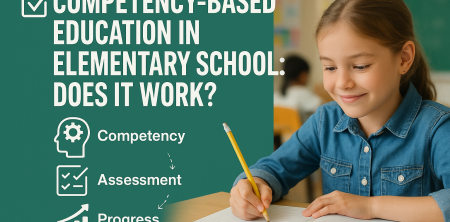
As educators continuously search for effective teaching methods that cater to the diverse learning needs of students, competency-based education (CBE) has emerged as a prominent approach in elementary schools. This educational model emphasizes mastery of skills and knowledge rather than the traditional age or grade level advancement. But what exactly is competency-based education, and does it work? Let’s explore how this model is being implemented in elementary schools, its potential benefits, and some challenges it faces.
Understanding Competency-Based Education
Competency-based education is an instructional approach that allows students to progress through their education based on their ability to demonstrate understanding and mastery of specific skills and competencies. Rather than moving students along at the same pace, CBE enables them to advance once they have proven they can apply what they’ve learned. This model is often contrasted with traditional education systems, where students are promoted primarily based on age or time spent in class.
In essence, CBE focuses on individual learning, allowing students to take ownership of their educational journey. This adaptability can be particularly beneficial in elementary settings, where students often exhibit a wide range of abilities and learning styles. The key components of competency-based education include:
- Personalized Learning: Tailoring education to meet individual students’ needs.
- Mastery-Based Progression: Students must demonstrate understanding before moving on to the next topic.
- Flexible Learning Environments: Leveraging various instructional methods and resources.
- Continuous Assessment: Regular evaluations to gauge student progress and understanding.
Historical Context and Development
The roots of competency-based education can be traced back to the 1960s, when educators began to recognize that standardized teaching methods did not effectively address individual student needs. With the rise of cognitive psychology and a deeper understanding of how students learn, the shift towards CBE gained traction. In the subsequent decades, various educational institutions and reformers experimented with competency-based approaches, but it was not until the 1990s and early 2000s that it began to solidify as a formalized pedagogy.
In recent years, CBE has gained even more attention, especially in light of the increasing emphasis on personalized learning and student-centered approaches in education. As technology has advanced, so too have the tools available to educators for implementing competency-based models, allowing for a more tailored educational experience.
The Advantages of Competency-Based Education
Proponents of competency-based education argue that it offers several advantages over traditional educational methods. Here are some of the key benefits:
1. Individualized Learning Pathways
One of the most compelling advantages of CBE is its focus on individualized learning pathways. In a traditional classroom, all students might be expected to learn at the same pace, regardless of their unique strengths and weaknesses. CBE allows students to progress when they are ready, which can lead to a deeper understanding of the material and increased engagement.
2. Improved Student Motivation
When students know they can move forward upon mastering a skill, they may feel a greater sense of ownership over their learning. This can foster intrinsic motivation, leading to increased enthusiasm for their studies. In CBE environments, students often report feeling more empowered and invested in their education.
3. Better Mastery of Skills
Because CBE requires students to demonstrate mastery before moving on, it minimizes the risk of gaps in knowledge. This mastery-based approach ensures that students have a strong foundation before tackling more complex concepts, which can be particularly important in subjects like math and reading.
4. Flexibility in Learning
Competency-based education allows educators to utilize a variety of instructional methods, from hands-on activities to digital learning tools. This flexibility not only caters to different learning styles but also adapts to the evolving educational landscape, including the integration of technology in the classroom. (See: Competency-based education overview.)
Implementation in Elementary Schools
While the principles of CBE are straightforward, implementing them in elementary schools can present various challenges. Schools interested in adopting this model must consider how to structure their curricula, assess student progress, and train teachers effectively.
Curriculum Design
In CBE, curriculum design must be aligned with clearly defined competencies. This means educators need to identify the essential skills and knowledge that students should acquire by the end of each grade level. Collaborating with stakeholders, including teachers, parents, and community members, can help ensure that the curriculum reflects the needs of the students it serves.
Assessment Strategies
Effective assessment is crucial in competency-based education. Traditional grading systems may not accurately reflect a student's understanding or skills. Instead, implementing performance assessments, project-based evaluations, and formative assessments can provide a more comprehensive view of student progress. Additionally, technology can play a role here, with digital platforms tracking student achievements and competencies over time.
Teacher Training and Support
Teachers are vital to the success of CBE. Professional development programs should focus on equipping educators with the skills and knowledge necessary for implementing competency-based practices. Training should cover topics like personalized instruction, diverse assessment methods, and strategies for differentiating instruction. Ongoing support from school administration and peer collaboration can enhance teachers' ability to adapt to this new approach.
Challenges of Competency-Based Education
While the benefits of competency-based education are significant, several challenges can impede its effectiveness in elementary schools.
1. Resistance to Change
Transitioning from a traditional education model to CBE can be met with resistance from educators, parents, and even students. Many stakeholders are accustomed to conventional methods, making them hesitant to embrace a new approach. Effective communication about the benefits of CBE and involving the community in the transition can help mitigate this resistance.
2. Resource Constraints
Implementing CBE may require additional resources, including training for teachers, updated technology, and new curriculum materials. Some schools may struggle to find funding or support for these initiatives, which can hinder their ability to effectively implement CBE practices.
3. Assessment and Accountability
While ongoing assessment is a critical component of CBE, creating effective and fair assessment methods can be complex. Balancing standardized testing requirements with individualized assessments poses a significant challenge for schools. Additionally, accountability measures may need to be re-evaluated to ensure they align with the goals of CBE.
Current Relevance and Future Trends
As educational landscapes continue to evolve, competency-based education is poised to play a significant role in shaping the future of elementary schooling. The shift towards personalized learning, technology integration, and a focus on mastery aligns well with the principles of CBE.
1. The Rise of Technology in Education
The increasing use of technology in classrooms enhances the implementation of competency-based education. Online platforms can facilitate personalized learning experiences, allowing students to access resources tailored to their learning levels. This trend is likely to continue, providing new opportunities for educators and students alike.
2. Greater Emphasis on Social-Emotional Learning
Alongside academic competencies, many schools are recognizing the importance of social-emotional learning (SEL). CBE can complement SEL initiatives by fostering a supportive learning environment where students feel safe to explore and engage with their emotions. As this holistic approach to education gains traction, CBE may become an integral part of SEL frameworks. (See: U.S. Department of Education on CBE.)
3. Expanding Public Support and Research
As more success stories emerge from schools implementing competency-based education, public support is likely to grow. Researchers continue to evaluate the effectiveness of CBE, providing educators with data to inform their practices. This expanding body of research can help sustain and promote CBE initiatives in the future.
Competency-Based Education vs. Traditional Education
To better understand competency-based education, it’s useful to compare it to traditional education models. Traditional education typically involves a standardized curriculum where students are grouped by age and progress through pre-defined grade levels. This method often prioritizes the completion of tasks over mastery of specific skills. In contrast, CBE is more flexible and allows learners to advance based on their ability to demonstrate understanding.
For example, in a traditional setting, a student who struggles with multiplication might still be moved to the next unit after a set time frame, potentially creating gaps in their mathematical knowledge. In a competency-based system, that same student would remain in the multiplication unit until they can demonstrate their understanding through assessments or practical application. This critical difference highlights how CBE can better accommodate varied learning paces and styles.
FAQs about Competency-Based Education
What age groups can benefit from competency-based education?
While competency-based education can be applied at all educational levels, it's particularly effective in elementary schools where students exhibit a wide range of abilities. The model supports young learners by allowing them to progress at their own pace and fostering a love for learning.
How does CBE impact standardized testing?
Competency-based education can present challenges for standardized testing, as traditional assessments may not accurately measure individual competencies or understanding. Schools adopting CBE often seek alternative assessment methods to provide a clearer picture of student progress while still adhering to some standardized benchmarks.
Are there specific subjects where CBE works best?
CBE can be effective across various subjects, but it is particularly impactful in areas like mathematics and reading, where foundational skills are crucial. By ensuring students master these core competencies, educators can help prevent future learning gaps.
How can parents support competency-based education at home?
Parents can support CBE by engaging with their children about their learning progress and encouraging them to take ownership of their education. Providing a conducive learning environment at home and reinforcing skills through practical applications—like cooking for math or reading together—can also be beneficial.
What resources are available for schools looking to implement CBE?
Many organizations and educational resources support schools in implementing competency-based education. Websites dedicated to educational reform often provide toolkits, case studies, and professional development opportunities. Collaborating with educational consultants who specialize in CBE can also offer tailored strategies for successful implementation.
Real-World Examples of Competency-Based Education
Competency-based education isn't just a theoretical model; it’s being put into practice in various schools and districts around the country. For instance, schools in the New Hampshire’s Competency-Based Education Network have pioneered innovative approaches to CBE implementation, allowing students to advance based on mastery rather than time spent in class. This has led to improved student outcomes and engagement.
In addition, schools in the state of Oregon have adopted CBE practices, focusing on personalized learning plans for each student. By leveraging technology and adaptive learning tools, educators are able to offer customized experiences that cater to individual strengths and weaknesses. The results show increased student satisfaction and retention rates. (See: Learning and developmental disorders treatment.)
Statistics Supporting Competency-Based Education
Data from studies conducted on competency-based education offers compelling evidence of its effectiveness. According to a report by the RAND Corporation, schools implementing CBE models have seen a 15% increase in student performance on standardized assessments compared to traditional methods. Another study from the Bill & Melinda Gates Foundation revealed that students in CBE environments showed 30% greater improvement in critical thinking and problem-solving skills.
Additionally, a survey from the Center for American Progress indicated that 78% of educators feel that CBE promotes a more engaging and effective learning experience, particularly for struggling students. This data highlights how competency-based education can lead to better academic outcomes and a more motivated student body.
Future Considerations for Competency-Based Education
As schools continue to explore and implement competency-based education, several considerations will shape its future. One key area is the need for robust training programs for educators. Successful implementation of CBE requires not only understanding the theoretical underpinnings but also practical strategies for execution in diverse classroom settings.
Another important consideration is the collaboration between schools and policymakers to create supportive frameworks for CBE. This involves reevaluating accountability measures and ensuring that assessments align with competency-based practices rather than conventional models.
Finally, ongoing research will play a crucial role in refining competency-based education. By studying successes and challenges within various contexts, educators and researchers can develop best practices that enhance the effectiveness of CBE programs across the country.
Conclusion: Is Competency-Based Education the Future?
Competency-based education offers a promising alternative to traditional teaching approaches, particularly in elementary schools where students have varying abilities and learning styles. By focusing on mastery, fostering engagement, and providing personalized pathways, CBE can empower students to take ownership of their education. However, the successful implementation of this model requires careful planning, support, and commitment from educators, parents, and communities.
As we look ahead, it’s clear that competency-based education will continue to evolve and adapt in response to the changing educational landscape. While challenges remain, the potential for CBE to create more equitable and effective learning environments makes it a topic worth watching in the coming years.
```
Trending Now
Frequently Asked Questions
What is competency-based education in elementary schools?
Competency-based education (CBE) is an instructional approach that allows students to progress at their own pace based on their mastery of specific skills and knowledge, rather than age or grade level. This model emphasizes personalized learning and mastery-based progression, enabling students to take ownership of their educational journey.
How does competency-based education differ from traditional education?
Unlike traditional education, which promotes students based on age or time spent in class, competency-based education focuses on individual mastery of skills. Students advance only after demonstrating their understanding of the material, allowing for a more tailored and effective learning experience.
What are the benefits of competency-based education?
The benefits of competency-based education include personalized learning tailored to individual needs, mastery-based progression ensuring students fully understand topics before advancing, and flexible learning environments that utilize various instructional methods to accommodate diverse learning styles.
What challenges does competency-based education face?
Competency-based education faces challenges such as the need for continuous assessment to gauge student progress, potential resistance from educators accustomed to traditional methods, and the requirement for adequate resources and training to effectively implement this model in elementary schools.
Is competency-based education effective in elementary schools?
Research and anecdotal evidence suggest that competency-based education can be effective in elementary schools by catering to diverse learning needs and fostering student engagement. However, its success largely depends on proper implementation, continuous assessment, and support from educators and parents.
What's your take on this? Share your thoughts in the comments below — we read every one.

