```html
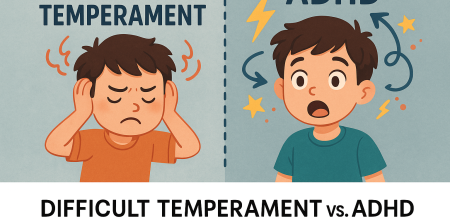
Understanding the differences between ADHD vs difficult temperament can be challenging for parents, educators, and even medical professionals. This complexity often leads to misunderstandings and misdiagnoses, resulting in inadequate support for children who struggle with behavioral and emotional issues. In this article, we'll explore the distinctions between these two conditions, providing clarity on how to discern one from the other.
1. Understanding ADHD
Attention-Deficit/Hyperactivity Disorder (ADHD) is a neurodevelopmental disorder that affects millions worldwide, characterized by pervasive patterns of inattention, hyperactivity, and impulsivity. According to the CDC, approximately 6.1 million children in the United States have been diagnosed with ADHD, a number that has steadily increased over the years. Symptoms typically manifest before the age of 12, although many individuals may not receive a diagnosis until later in life.
The core symptoms of ADHD can be categorized into two main types: inattention and hyperactivity/impulsivity. Children with inattention may struggle to stay focused on tasks, follow instructions, or organize activities, while those exhibiting hyperactive behaviors might fidget excessively, interrupt others, or have difficulty waiting their turn. Such symptoms can significantly impair a child’s academic performance, social interactions, and overall quality of life.
2. Defining Difficult Temperament
In contrast, a difficult temperament refers to a personality style that is characterized by intense emotional responses, high levels of irritability, and difficulty adapting to change. This term can often extend to various behavioral traits seen in children, such as being easily frustrated, having a low tolerance for frustration, and showing resistance to routines or transitions. While difficult temperament is not a clinical diagnosis, it describes a pattern of behavior that can be challenging for both the child and their caregivers.
Research suggests that temperament is largely innate and can be observed early in life. A child with a difficult temperament may exhibit strong reactions to changes in their environment or routines, leading to tantrums or outbursts. Unlike ADHD, these behaviors may not stem from an inability to focus or impulsivity, but rather from an emotional and behavioral predisposition that influences how they respond to various situations.
3. Identifying Key Differences
When comparing ADHD vs difficult temperament, it’s essential to recognize the nuances that differentiate the two. One of the primary distinctions lies in the symptoms' origin. ADHD symptoms are rooted in neurodevelopmental factors, while difficult temperament is often linked to personality traits that can be shaped by environmental influences and upbringing.
For instance, children with ADHD may struggle with maintaining attention on tasks due to neurological differences, whereas children with difficult temperaments may exhibit distractibility due to their emotional reactions rather than an underlying cognitive issue. Additionally, ADHD symptoms are consistent across multiple settings (like home and school), while a difficult temperament may be more variable depending on environmental factors and stressors.
4. Behavioral Manifestations
The behavioral manifestations of ADHD and difficult temperament can often look similar, leading to confusion. Children with ADHD might appear restless, frequently interrupt conversations, or be unable to stay seated. Conversely, those with a difficult temperament may react poorly to changes, displaying strong emotional responses such as crying or anger when faced with transitions.
For example, a child with ADHD might impulsively grab a toy from a friend, not fully understanding the social ramifications of their action. A child with a difficult temperament, however, might react with frustration and a tantrum when asked to share a toy, stemming from their emotional predisposition rather than impulsivity. Recognizing these distinctions is crucial for parents and educators in implementing appropriate strategies for each child.
5. Diagnostic Criteria and Assessment
Diagnosing ADHD involves a comprehensive evaluation process that includes behavioral assessments, interviews, and standardized rating scales. Clinicians often rely on the DSM-5 criteria, which outlines specific symptoms and their severity over a certain period. In contrast, determining whether a child has a difficult temperament typically does not involve formal testing but rather observational assessments and understanding the child's emotional responses.
It's important to note that while ADHD requires a clinical diagnosis, difficult temperament is more subjective. Parents and caregivers may identify and label their child as having a difficult temperament based on their experiences and interactions, which can lead to varying interpretations of the behavior. For this reason, seeking input from professionals can help provide clarity and guide appropriate interventions.
6. Impact on Daily Life and Functioning
Both ADHD and difficult temperament can significantly affect a child's daily functioning, but the nature of that impact can differ. Children with ADHD may face challenges in academic settings due to their inability to concentrate and follow through on tasks, leading to poor grades and low self-esteem. Their impulsive behaviors can strain friendships, resulting in social isolation. (See: CDC ADHD facts and statistics.)
In contrast, children with a difficult temperament may struggle with emotional regulation, which can affect their interactions with peers and family. They might have difficulty transitioning between activities, leading to conflicts at home or in school. While both conditions can lead to frustration for parents, the strategies for support and intervention will differ based on the underlying causes of the behaviors.
7. Strategies for Support
Supporting children with ADHD often involves a multi-faceted approach, including behavioral therapy, medication, and educational interventions. Parents may find that establishing a structured routine, using visual aids, and implementing positive reinforcement strategies can help children manage their symptoms effectively.
For children with a difficult temperament, the key may lie in fostering emotional intelligence and teaching coping strategies. Encouraging open communication and validating their feelings can create a supportive environment. Additionally, providing consistent routines and setting clear expectations can help mitigate some of the challenges they face. Techniques like role-playing or using social stories can also assist in teaching appropriate responses to frustration or changes.
8. Importance of Early Intervention
Identifying whether a child is struggling with ADHD or a difficult temperament is crucial for early intervention. Research indicates that early diagnosis and support can lead to better outcomes for children, including improved academic performance and social relationships. Parents and caregivers should remain vigilant for warning signs in both scenarios and seek professional advice when necessary.
Furthermore, understanding the differences between ADHD vs difficult temperament can empower parents to advocate for their children more effectively, ensuring they receive the appropriate resources and support. Early intervention can be the key to helping children develop the skills they need to thrive in various environments.
9. Current Research and Insights
Current studies continue to enhance our understanding of ADHD and difficult temperament. Recent research is exploring the genetic and environmental factors that contribute to these conditions, with the aim of developing more effective interventions. Researchers are also investigating the role of temperament in predicting future behavioral issues, further emphasizing the need for early identification.
As our knowledge evolves, it’s essential for parents, educators, and clinicians to stay informed about the latest findings. By doing so, they can adjust their approaches, ensuring that each child receives personalized support that caters to their unique needs. This ongoing research underscores the importance of distinguishing between ADHD and difficult temperament, ultimately leading to better outcomes for children and their families.
10. Statistics on ADHD and Temperament
Understanding the prevalence of ADHD and the concept of difficult temperament can provide further context. According to the CDC, the increase in ADHD diagnoses may correlate with better awareness and improved diagnostic criteria. In fact, ADHD prevalence has increased by 43% from 2003 to 2011, suggesting that more children are being recognized and diagnosed than ever before.
In terms of temperament, studies indicate that approximately 15-20% of children are classified as having a difficult temperament, which can manifest in varying degrees. These statistics highlight the need for effective strategies tailored to each condition, as well as the importance of awareness among parents and educators.
11. Expert Perspectives
Experts in child psychology and psychiatry often emphasize the importance of understanding the differences between ADHD and difficult temperament. Dr. John Ratey, a clinical professor of psychiatry at Harvard Medical School, notes that while ADHD is a brain-based disorder needing medical intervention, difficult temperament can often be managed through behavioral strategies. He highlights the significance of tailoring approaches to suit a child's unique behavioral profile.
Furthermore, experts advocate for a holistic approach that considers both psychological and environmental factors in treatment plans. By integrating behavioral therapies with family support and educational interventions, children can have a better chance of succeeding socially and academically.
12. Building Resilience in Children
Regardless of whether a child is diagnosed with ADHD or has a difficult temperament, building resilience is key. This can involve teaching problem-solving skills, promoting social interactions, and encouraging a growth mindset. Resilience can empower children to better navigate their emotions and challenges, fostering a sense of control over their experiences.
Activities that promote resilience include mindfulness exercises, team sports, and arts and crafts. Each of these can help children develop coping strategies, learn to express their feelings, and build connections with peers, which are essential for their overall emotional health. (See: NIH information on ADHD.)
13. Practical Tips for Parents
For parents who are navigating the complexities of ADHD vs difficult temperament, there are several practical strategies that can be beneficial. Here are some tips:
- Establish routines: Children thrive on structure. Having consistent daily routines can help both children with ADHD and those with a difficult temperament feel more secure.
- Use clear communication: Be direct, simple, and clear when giving instructions. This can help reduce frustration and misunderstandings.
- Practice patience: Both ADHD and difficult temperament can lead to challenging moments. Practicing patience and understanding can create a more nurturing environment.
- Seek professional guidance: Whether through counseling or educational support, don't hesitate to reach out to professionals who can provide tailored strategies for your child's unique situation.
14. FAQs about ADHD and Difficult Temperament
What are common signs of ADHD?
Common signs of ADHD include difficulty focusing, being easily distracted, impulsive behaviors, excessive talking, and trouble organizing tasks. It's essential to consider the context of these behaviors and how they affect daily functioning.
How can I tell if my child has a difficult temperament?
Signs of a difficult temperament often include intense emotional reactions, resistance to change, and challenges in adapting to new situations. Observing how your child responds to daily transitions can provide insights into their temperament.
Can a child have both ADHD and a difficult temperament?
Yes, it is possible for a child to exhibit traits of both ADHD and a difficult temperament. This overlap can complicate the understanding and support needed, making it vital to seek expert evaluation and guidance.
What interventions are most effective for ADHD?
Effective interventions for ADHD often include behavioral therapy, medication management, educational accommodations, and parental training. Each child's needs will vary, so it’s crucial to tailor the approach based on individual circumstances.
Can children outgrow difficult temperament?
While some children may show improvements in their temperament over time as they develop coping strategies and emotional regulation skills, others may continue to exhibit challenging behaviors into adulthood. Early support and intervention can make a significant difference.
How can schools accommodate children with ADHD or difficult temperament?
Schools can accommodate these children by implementing Individualized Education Plans (IEPs) or 504 Plans that provide personalized strategies for learning. This may involve flexible seating arrangements, break times, and tailored instruction methods to support their unique needs.
15. The Path Forward
Understanding ADHD vs difficult temperament is a journey for parents and caregivers. With ongoing research, expert insights, and community resources, there's hope for better management and support for children facing these challenges. By being informed, staying observant, and seeking help when necessary, you can create a nurturing environment that allows your child to thrive.
16. Comparative Analysis of Treatment Approaches
When considering the treatment options for ADHD and difficult temperament, it's important to note that their approaches differ significantly. For ADHD, the evidence-based treatments often involve a combination of medication and behavioral therapies. Stimulant medications like methylphenidate and amphetamines are commonly prescribed and have been shown to improve attention spans and reduce hyperactivity and impulsiveness in many children. Behavioral therapies, such as Parent-Child Interaction Therapy (PCIT) or Cognitive Behavioral Therapy (CBT), aim to modify behaviors by enhancing self-control and executive functioning.
In contrast, management of difficult temperament leans more towards behavioral interventions and environmental modifications. Parents are encouraged to adopt strategies that provide consistency, like creating predictable routines and setting clear limits. Techniques such as positive reinforcement for desired behaviors and teaching children to articulate their feelings can also yield positive results. It’s about equipping the child with tools to manage their emotional responses rather than addressing a disorder with a medical approach.
Additionally, some studies suggest that children with a difficult temperament may benefit from social skills training, which can foster better peer relationships, while children with ADHD might require more structured academic support to succeed in school settings. Understanding these distinctions allows caregivers to tailor their interventions effectively, ensuring that children receive the most beneficial support for their specific challenges.
17. The Role of Parenting Styles
Parenting styles play a crucial role in how children respond to their temperament and any potential ADHD. Authoritative parenting, characterized by warmth and structure, tends to yield better outcomes for both children with ADHD and those with difficult temperaments. Children in these environments often exhibit improved emotional regulation, social skills, and academic performance. On the contrary, authoritarian parenting, which is more rigid and less emotionally supportive, may exacerbate behavioral issues in children with difficult temperaments and hinder the effectiveness of ADHD treatments.
A study published in the Journal of Abnormal Child Psychology found that parenting styles significantly affect how children with ADHD develop coping strategies. The research indicates that nurturing, responsive parenting can lead to better adjustment and fewer behavioral problems. Thus, understanding how your parenting style impacts your child can be a powerful tool in promoting their long-term success.
18. Community Resources and Support Groups
Finding support through community resources can be incredibly beneficial for families navigating ADHD and difficult temperament. Local support groups offer opportunities for parents to share experiences, strategies, and resources. Organizations like CHADD (Children and Adults with Attention-Deficit/Hyperactivity Disorder) provide educational materials, training, and advocacy to help families understand ADHD better.
For those dealing with difficult temperament, parenting workshops and seminars can provide valuable insights into managing challenging behaviors. Many communities also offer resources through pediatricians, child psychologists, and local mental health organizations that specialize in childhood behavioral issues.
Participating in support groups can help parents feel less isolated and more empowered to advocate for their children. These networks can also facilitate connections that lead to lasting friendships and collaborative parenting strategies. Whether you’re seeking advice, emotional support, or educational resources, community involvement can make a significant difference in navigating the complexities of ADHD vs difficult temperament.
19. Future Directions in Research
The field of child psychology is continuously evolving, with ongoing research aimed at better understanding ADHD and difficult temperament. Future studies may focus on longitudinal assessments that track children from early childhood into adulthood, examining how these traits influence life outcomes, including academic achievement and emotional well-being.
Additionally, emerging research is beginning to explore the neurobiological foundations of temperament, which could lead to more targeted intervention strategies. Understanding how brain structure and function relate to temperament traits might offer new insights into effective treatments for children struggling with emotional regulation.
Innovations in technology, such as mobile apps and online platforms for behavioral training, may also play a role in the future of managing both ADHD and difficult temperament. These tools can provide parents and children with immediate strategies and resources for managing challenging situations, making support more accessible than ever.
```
Trending Now
Frequently Asked Questions
What are the symptoms of ADHD?
ADHD symptoms can be categorized into two main types: inattention and hyperactivity/impulsivity. Children with inattention may struggle to focus on tasks, follow instructions, or organize activities, while those with hyperactive behaviors may fidget excessively, interrupt others, or have difficulty waiting their turn.
How can I tell if my child has a difficult temperament?
A difficult temperament is characterized by intense emotional responses, high irritability, and challenges in adapting to change. Children may exhibit traits such as being easily frustrated, having a low tolerance for frustration, and resisting routines or transitions.
Is difficult temperament the same as ADHD?
No, difficult temperament is not a clinical diagnosis like ADHD. While ADHD is a neurodevelopmental disorder with specific symptoms, difficult temperament describes a behavioral pattern marked by emotional intensity and irritability, which may not necessarily impact attention or impulse control.
What age do ADHD symptoms usually appear?
ADHD symptoms typically manifest before the age of 12. However, many individuals may not receive a diagnosis until later in life, as the signs can sometimes be subtle or mistaken for other behavioral issues.
How can I support a child with a difficult temperament?
Supporting a child with a difficult temperament involves providing a consistent routine, offering emotional validation, and teaching coping strategies for frustration. Understanding their unique needs and creating a stable environment can help them adapt better to changes and challenges.
Have you experienced this yourself? We'd love to hear your story in the comments.

