On April 6, 2026, a series of coordinated airstrikes carried out by Israel and the United States targeted key locations in Iran, resulting in the deaths of more than 25 individuals. The airstrikes struck several areas in Tehran, including the vicinity of Sharif University of Technology near Azadi Square, igniting fears of escalating conflict in the region.
Background of the Conflict
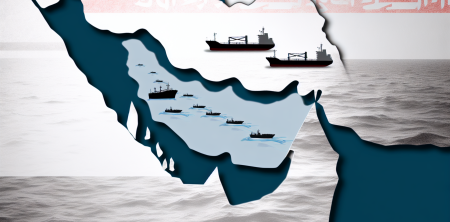
This military action comes in the wake of rising tensions surrounding the Strait of Hormuz, a crucial maritime corridor that facilitates about 20% of the world's oil trade. U.S. President Donald Trump’s impending deadline for Iran to reopen the strait has intensified the situation, as it has been closed to U.S., Israeli, and allied vessels for some time. The closure has led to a significant decline in maritime traffic, plummeting by more than 90% and causing a sharp rise in global oil prices, with Brent crude oil reaching $109 per barrel—a staggering 50% increase since the onset of hostilities.
Details of the Airstrikes
The airstrikes were characterized by precision targeting, aiming at military installations and strategic locations believed to house Iranian forces and infrastructure. The impact of these strikes was immediate, with significant explosions reported in urban areas of Tehran.
- Confirmed casualties include over 25 individuals in Iran.
- The strikes have resulted in widespread destruction and panic within the capital.
Iran's Retaliation
In response to the airstrikes, Iran launched missile attacks targeting Israeli cities, with significant impacts reported in Haifa. The retaliatory attacks resulted in the deaths of two individuals, while search operations for two others are ongoing. Iran's military capabilities have raised alarms throughout the region, prompting neighboring countries like Kuwait and the United Arab Emirates (UAE) to activate their air defense systems as a precautionary measure against further attacks.
Wider Implications for the Gulf Region
The escalating violence has not only affected Iran and Israel but has also had dire consequences for Gulf states. Casualties have been reported across the region, with a total exceeding two dozen in various Gulf nations and an additional 19 fatalities recorded in Israel. Furthermore, the conflict has claimed the lives of 13 U.S. service members, heightening concerns about the involvement of American forces in the ongoing hostilities.
Global Reactions and Concerns
The international community is watching the situation closely, with leaders expressing deep concern over the potential for a wider regional conflict. The airstrikes and subsequent retaliatory actions have drawn condemnation from various countries, highlighting fears that further escalation could lead to a full-scale war.
Economic analysts warn that the continued conflict could have severe implications for global oil markets. With prices already surging, sustained instability in the Strait of Hormuz could lead to an energy crisis affecting economies worldwide.
The Road Ahead
As the situation develops, the focus remains on diplomatic efforts to resolve the crisis. President Trump’s deadline for Iran to reopen the Strait of Hormuz is set for Tuesday, and the outcome of this ultimatum could significantly shape the future of U.S.-Iran relations as well as regional stability in the Middle East.
- The possibility of renewed negotiations remains uncertain.
- Military analysts are assessing the potential for further strikes if Iran continues its aggressive posture.
Conclusion
The airstrikes on Iran and the subsequent retaliatory measures underscore a critical juncture in Middle Eastern geopolitics. With both sides poised for further action, the coming days could prove pivotal in determining not only the fate of the Strait of Hormuz but also the broader landscape of international relations in the region. As tensions mount, the world watches with bated breath, hoping for a resolution that averts a larger conflict.

