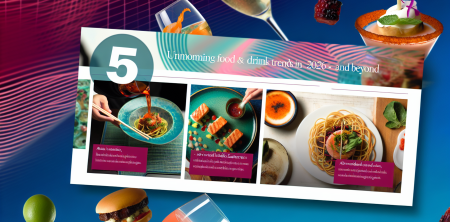
The food and drink industry is in a constant state of evolution, influenced by consumer preferences, health trends, and technological advancements. As we look towards 2026, several innovations are poised to make a lasting impact. According to a recent article from FoodNavigator, five key trends are emerging that are expected to resonate with consumers and shape the market. These trends include nutrient-dense meals tailored for GLP-1 users, a rise in functional drinks, the growing popularity of creatine, the emergence of ube (purple yam) in various products, and the viral success of frozen snacks. This article delves into each of these trends, exploring their origins, current market presence, and potential for future growth.
Nutrient-Dense Meals for GLP-1 Users
One of the most significant health trends influencing food innovation is the growing interest in GLP-1 receptor agonists, a class of medications often prescribed for weight management and type 2 diabetes. As more individuals turn to these treatments, there is a burgeoning demand for nutrient-dense meals that cater specifically to this demographic.
The Science Behind GLP-1
GLP-1, or glucagon-like peptide-1, is a hormone that plays a crucial role in glucose metabolism. It enhances insulin secretion in response to meals while simultaneously suppressing appetite. With the rise of drugs that mimic this hormone, such as semaglutide and liraglutide, consumers are increasingly seeking foods that complement their treatment. This has led to a surge in product development aimed at providing balanced nutrition while also being low in calories.
Market Innovations
Several companies have already begun to capitalize on this trend by launching meals specifically designed for GLP-1 users. These offerings often emphasize high protein content, fiber, and low glycemic index ingredients. Examples include ready-to-eat meals, meal kits, and snacks that are both convenient and aligned with the dietary needs of this audience.
Future Implications
As awareness of GLP-1 and its benefits continues to grow, the market for nutrient-dense meals is expected to expand significantly. This trend not only addresses the health needs of consumers but also opens doors for innovation in meal delivery services and personalized nutrition.
Functional Drinks: The Rise of Health-Infused Beverages
Functional beverages have been gaining popularity over recent years, and this trend shows no signs of slowing down. These drinks are formulated to provide specific health benefits beyond basic hydration, appealing to consumers seeking enhanced wellness.
What Are Functional Drinks?
Functional drinks can encompass a wide range of products, including enhanced waters, probiotic drinks, energy-boosting beverages, and those fortified with vitamins and minerals. The key characteristic is their ability to offer physiological benefits, often addressing specific health concerns such as digestive health, immune support, or mental clarity.
Current Trends in Functional Drinks
- Probiotics: With an increasing understanding of gut health's importance, probiotic drinks are becoming mainstream, featuring live cultures that promote digestive health.
- Adaptogens: Ingredients like ashwagandha and reishi mushroom are being added to drinks for their potential stress-relief properties.
- Electrolyte-Rich Beverages: As fitness trends continue to rise, drinks designed to replenish electrolytes post-workout are gaining traction.
- Botanical Infusions: Drinks infused with herbs and botanicals are being marketed for their therapeutic properties, appealing to consumers interested in holistic health.
Looking Ahead
The functional drink market is projected to continue expanding as consumers increasingly prioritize health and wellness in their beverage choices. Brands that innovate with new flavors, ingredients, and health claims are likely to capture consumer interest and loyalty.
The Popularity of Creatine Beyond Sports
Traditionally associated with athletes and bodybuilders, creatine is now making its way into mainstream nutrition. This compound, known for enhancing physical performance, is being recognized for its potential cognitive benefits, thus broadening its appeal.
Understanding Creatine
Creatine is a naturally occurring compound found in small amounts in certain foods and synthesized by the body. It plays a vital role in energy production during high-intensity exercise and has been extensively studied for its effectiveness in improving athletic performance.
Expanding the Market for Creatine
While creatine supplementation has long been a staple in the fitness community, recent research highlighting its cognitive benefits has opened new avenues for product development. This has led to the emergence of creatine-infused snacks, beverages, and even supplements designed for non-athletes.
Potential Growth Opportunities
As more consumers become aware of creatine's advantages beyond athletic performance, the market is likely to see a surge in products targeting a broader audience, including students, professionals, and older adults seeking cognitive enhancement.
Ube (Purple Yam): A Colorful Trend
Ube, or purple yam, is a vibrant tuber that has captured the culinary world’s attention. Its striking color, subtle sweetness, and versatility in various dishes have made it a favored ingredient among food enthusiasts and chefs alike.
The Nutritional Benefits of Ube
Beyond its aesthetic appeal, ube is rich in vitamins, minerals, and antioxidants, making it a nutritious addition to the diet. The root vegetable is high in fiber, which supports digestive health, and contains compounds that may have anti-inflammatory properties.
Market Presence of Ube
In recent years, ube has transitioned from traditional Filipino cuisine to mainstream food products. From ube-flavored ice cream and pastries to beverages and snacks, its versatility is paving the way for innovative culinary applications.
Future Prospects
The popularity of ube is expected to grow, particularly as consumers seek out unique, visually appealing foods. Brands that can incorporate ube into their offerings creatively while promoting its health benefits are likely to capture the attention of health-conscious consumers.
Viral Frozen Snacks: The New Treats on the Block
The frozen snack category is experiencing a renaissance, fueled by social media and the desire for convenient yet indulgent options. Viral trends are shaping the kinds of frozen treats consumers are seeking, leading to innovative product launches.
The Rise of Viral Snacks
Social media platforms have played a crucial role in popularizing new food trends, and frozen snacks are no exception. Products that gain traction online often see a surge in demand, as consumers flock to try the latest viral sensation.
Types of Viral Frozen Snacks
- Frozen Desserts: Ice creams, popsicles, and other frozen confections that boast unique flavors or textures.
- Frozen Savory Snacks: Offerings like frozen dumplings, samosas, and other finger foods that are easy to prepare and share.
- Plant-Based Options: With the rise of plant-based diets, frozen snacks made from alternative ingredients are gaining popularity.
Anticipated Trends
The viral nature of these snacks ensures that innovation will continue as brands strive to keep pace with consumer demands. As more people turn to frozen snacks for convenience and indulgence, the market is likely to expand with creative flavors and formats, catering to a wide range of dietary preferences.
Conclusion: Embracing Change in the Food and Drink Industry
As we approach 2026, the food and drink industry stands on the precipice of significant change. The five trends discussed—nutrient-dense meals for GLP-1 users, functional drinks, creatine, ube, and viral frozen snacks—illustrate the dynamic nature of consumer preferences and the continuous innovation driving the market. Brands that adapt to these trends and prioritize health, functionality, and creativity will be well-positioned for success in the evolving landscape of food and drink.

