```html
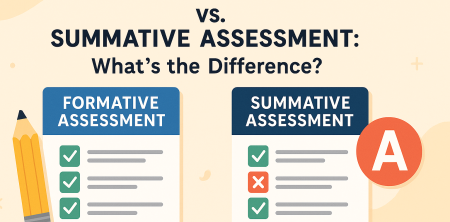
In the realm of education, assessment plays a critical role in shaping learning experiences and outcomes. Among the various types of assessment, two of the most discussed are formative and summative assessments. While both aim to improve educational outcomes, they serve different purposes and are used at different stages of the learning process. This article will delve into the distinctions between formative vs summative assessment, their applications, advantages, and practical insights for educators.
1. Defining Formative Assessment
Formative assessment refers to a variety of assessment methods employed by educators to monitor student learning during the instructional process. The primary purpose is to gather feedback that can be used to improve teaching and learning. Unlike summative assessments, which evaluate student learning at the end of an instructional unit, formative assessments are ongoing and provide real-time insights into student comprehension.
Common examples of formative assessment include quizzes, class discussions, peer reviews, and observational assessments. These assessments are typically low stakes, meaning they carry little to no weight in a student’s overall grade. The goal is not to judge students’ final performance but to identify areas where students may be struggling and to adjust instructional practices accordingly.
2. Understanding Summative Assessment
On the other hand, summative assessment is designed to evaluate student learning at the conclusion of an instructional period. The focus is on measuring the extent to which students have mastered the material, often resulting in a final grade or score. Summative assessments are typically high stakes, meaning they have significant implications for students’ academic progress.
Common examples of summative assessments include final exams, standardized tests, end-of-term projects, and cumulative assessments. These assessments are essential for determining whether students have achieved the learning objectives set out at the beginning of a course or unit. While they provide valuable data on student achievement, they do not offer the same level of detail about the learning process as formative assessments.
3. Key Differences Between Formative and Summative Assessment
Understanding the differences between formative vs summative assessment is essential for educators to utilize these tools effectively. Here are some of the key distinctions:
- Purpose: Formative assessments are intended to inform instruction and improve learning, while summative assessments evaluate student learning after instruction has taken place.
- Timing: Formative assessments occur continuously during the learning process, whereas summative assessments take place at the end of a unit or course.
- Feedback: Formative assessments provide immediate feedback to students and teachers, allowing for adjustments in teaching strategies. Summative assessments yield feedback only after the assignment is completed, often too late to make instructional changes.
- Weight: Formative assessments usually have little to no impact on final grades, while summative assessments significantly influence the overall evaluation of a student’s performance.
4. The Role of Feedback in Formative Assessment
One of the most significant advantages of formative assessment is the timely feedback it offers. Feedback is crucial for learning; it helps students understand their strengths and weaknesses and guides them in improving their performance. Formative assessments allow educators to provide specific, actionable feedback that enables students to make targeted improvements.
For example, after a formative quiz, an educator might provide feedback on specific questions where students struggled. This personalized feedback encourages students to seek help in areas where they are weak, fostering a growth mindset. Additionally, because formative assessments are often low-stakes, students feel less pressure and are more willing to take risks in their learning.
5. Examples of Formative Assessment Techniques
There are countless ways to implement formative assessments in the classroom. Here are a few popular techniques:
- Exit Tickets: At the end of a lesson, students write down one key takeaway and one question they still have. This quick reflection helps the teacher gauge understanding and plan for future lessons.
- Peer Teaching: Students explain concepts to each other in small groups. This method not only reinforces their understanding but also allows teachers to observe common misconceptions.
- Observational Assessments: Educators can observe students during group work or discussions, noting behaviors, engagement levels, and understanding of concepts.
- Quick Polls: Using technology or simple show-of-hands polls during class, teachers can quickly assess student understanding on the spot.
6. The Significance of Summative Assessment
While formative assessment is critical for ongoing learning, summative assessment holds its own significance. It provides a comprehensive overview of what students have learned after instruction concludes. These assessments are often required by educational standards and are essential for accountability purposes. (See: Understanding different types of assessments.)
Summative assessments are also vital for curriculum evaluation. Results can highlight strengths and weaknesses in the curriculum, guiding educators in revising and improving course content. Furthermore, they serve as a benchmark for comparing student performance across different schools, districts, and states, providing valuable insights into educational effectiveness.
7. Effective Summative Assessment Strategies
Designing effective summative assessments requires careful consideration. Here are some strategies educators can employ:
- Align with Learning Objectives: Summative assessments should be directly aligned with the goals set at the beginning of the instructional period. This ensures that what students are tested on reflects what was taught.
- Diverse Question Types: Incorporating various question types, such as multiple-choice, short answer, and projects, can provide a more complete picture of student learning.
- Include Rubrics: Clear grading rubrics help communicate expectations to students and provide transparency in the evaluation process.
- Review and Revise: After administering a summative assessment, educators should analyze results to identify trends and areas needing improvement.
8. Current Relevance of Formative vs Summative Assessment
In today's educational landscape, the discussion surrounding formative vs summative assessment is more relevant than ever. With the rise of online learning and competency-based education, educators are re-evaluating how they assess student learning.
Formative assessments are becoming more integrated into everyday learning practices, especially with the increased use of digital tools that allow for real-time feedback. In contrast, summative assessments are adapting as well, with many institutions moving toward more project-based and performance assessments that better reflect students' capabilities in real-world contexts. This shift emphasizes the importance of not only evaluating knowledge but also applying it effectively.
9. Challenges in Balancing Formative and Summative Assessments
While both formative and summative assessments serve important roles, balancing their use can present challenges. Some educators may focus too heavily on summative assessments, leading to a narrow view of student learning. This can create an environment where students are primarily motivated by grades rather than genuine understanding.
Conversely, over-reliance on formative assessments without appropriate summative evaluations can leave gaps in measuring overall student performance. Educators must find a balance that utilizes both assessment types to create a comprehensive picture of learning. This requires not only thoughtful planning but also ongoing reflection and adaptation based on student needs.
10. Conclusion: Harnessing the Power of Both Assessment Types
In summary, understanding the differences between formative vs summative assessment is crucial for educators aiming to improve student outcomes. Both assessment types provide unique insights that, when used together, can enhance the learning experience. Formative assessments guide instruction and support student growth, while summative assessments offer a comprehensive evaluation of learning achievements.
As educational practices continue to evolve, embracing a variety of assessment methods can help educators create a more effective and engaging learning environment. By finding the right balance between formative and summative assessments, teachers can ensure that they are not only measuring student success but also fostering a lifelong love of learning.
11. The Impact of Technology on Assessment
Technology is reshaping how assessments are conducted, especially in the context of formative vs summative assessment. Online platforms allow for immediate feedback through quizzes, interactive games, and surveys. This technology enables educators to collect data efficiently and analyze student performance in real-time. For example, tools like Google Forms and Kahoot facilitate instant feedback, which can be used to inform instructional decisions on the spot.
Moreover, learning management systems (LMS) like Canvas or Moodle provide a centralized location for both types of assessments. They allow educators to track student progress over time, making it easier to see trends and understand where students may be struggling. This capability is particularly beneficial for formative assessments, as educators can adjust their teaching approaches based on ongoing data.
12. Case Studies: Successful Implementation of Formative and Summative Assessments
To illustrate how formative and summative assessments can be effectively implemented, let’s explore a couple of case studies:
Case Study 1: A Middle School Math Classroom
In a middle school math classroom, the teacher used formative assessments such as exit tickets and online quizzes to gauge understanding after each concept. Students who struggled with specific topics were given targeted assignments that focused on their weaknesses. At the end of the unit, a summative assessment was administered, which high scores indicated that most students had mastered the material, validating the effectiveness of the formative assessments. (See: Role of assessments in education.)
Case Study 2: A High School English Literature Class
In a high school English literature class, the teacher employed peer reviews as a form of formative assessment. Students provided feedback on each other’s essays, which encouraged collaboration and critical thinking. The final project, a comprehensive essay, served as the summative assessment. By analyzing the performance on this final essay, the teacher was able to see how well students applied the feedback received during formative assessments. This not only improved their writing skills but also built confidence in their abilities.
13. Expert Perspectives on Assessment Practices
Educational experts emphasize the importance of integrating both formative and summative assessments to create a holistic approach to learning. Dr. Linda Darling-Hammond, a prominent education researcher, argues that “assessments should not merely be a tool for ranks or grades but a means for understanding and fostering student learning.” This perspective reinforces that formative assessments offer insights that can drive instruction, while summative assessments provide accountability.
Additionally, assessment expert Rick Stiggins highlights the need for assessments to be a part of the learning process rather than an endpoint. He suggests that a balanced assessment system allows educators to support students effectively and provides a full picture of student learning.
14. Frequently Asked Questions (FAQ)
What are the main benefits of formative assessments?
Formative assessments provide immediate feedback, allowing educators to adjust their teaching strategies based on student understanding. They help identify areas of difficulty, promote student engagement, and foster a growth mindset.
How do summative assessments impact student motivation?
Summative assessments can create pressure, which may affect student motivation. However, when designed thoughtfully, they can also motivate students to demonstrate their understanding and apply their knowledge effectively.
Can formative assessments be used in all subjects?
Yes! Formative assessments can be applied across subjects, from math and science to literature and the arts. Each subject may utilize different techniques tailored to its content, but the principles of formative assessment remain universally applicable.
How should educators balance formative and summative assessments?
Educators should aim for a balanced approach by using formative assessments to inform instruction continuously while employing summative assessments to evaluate overall learning. Regular reflection and adaptation of assessment strategies can help achieve this balance.
What role does student self-assessment play in formative assessment?
Student self-assessment is a vital component of formative assessment. It encourages students to reflect on their learning, set personal goals, and take ownership of their educational journey, which can enhance motivation and growth.
Are there any drawbacks to using formative assessments?
While formative assessments offer numerous benefits, they can be time-consuming for educators to analyze and respond to. There is also a risk of over-reliance on informal assessments, which may lead to incomplete evaluations of student learning. A careful balance with summative assessments is essential to mitigate these drawbacks.
15. Innovative Assessment Practices
As education continues to evolve, innovative assessment practices are emerging that blend formative and summative approaches. For instance, educators are increasingly adopting portfolio assessments, which allow students to compile work over time and reflect on their progress. This approach blurs the lines between formative and summative assessments by providing a holistic view of student learning and growth.
Additionally, project-based assessments are gaining traction. These assessments require students to engage in a project that challenges them to apply their knowledge in a real-world context. Not only do they serve as summative assessments, but they also provide formative feedback opportunities throughout the project lifecycle, as students can receive guidance and coaching from their teachers.
16. Statistical Insights into Assessment Efficacy
Research into formative and summative assessments has yielded some compelling statistics. A study by the American Educational Research Association found that teachers who implement formative assessments can improve student performance by an average of 20%. Additionally, schools that shift towards a balanced assessment approach, incorporating both formative and summative assessments, often report a 15% increase in overall student engagement and motivation.
Furthermore, a report from the National Center for Fair & Open Testing reveals that students exposed to varied assessment types tend to perform better in standardized testing scenarios. This is an essential consideration for educators who want to prepare students effectively for high-stakes assessments.
17. Future Directions in Assessment
Looking ahead, the future of assessment will likely be shaped by advancements in technology and pedagogical understanding. The integration of artificial intelligence in educational assessment could provide tailored feedback for students, enhancing the formative assessment process even further. AI-driven platforms might analyze student performance data in real-time, offering insights that help educators adjust their teaching strategies dynamically.
Moreover, as schools prioritize social-emotional learning, assessments are evolving to include measures that evaluate emotional and social competencies alongside academic skills. This holistic approach recognizes that learning is not solely about cognitive skills but also encompasses a student’s overall well-being and personal development.
18. Community and Parental Involvement in Assessments
Engagement from parents and the wider community can enhance the effectiveness of both formative and summative assessments. Schools that actively involve parents in the assessment process often see improved student outcomes. By keeping parents informed about assessment methods and results, educators can foster a supportive environment that extends beyond the classroom. This includes hosting workshops that equip parents with tools to support their children’s learning at home and encouraging open communication about academic progress.
Community partnerships can also play a role in creating meaningful assessments. Collaborations with local organizations can provide real-world contexts for projects, enriching the learning experience and making assessments more relevant for students.
```
Trending Now
Frequently Asked Questions
What is the difference between formative and summative assessment?
Formative assessment is conducted during the learning process to monitor student understanding and provide ongoing feedback. In contrast, summative assessment evaluates student learning at the end of an instructional period, often resulting in a final grade.
What are examples of formative assessments?
Examples of formative assessments include quizzes, class discussions, peer reviews, and observational assessments. These methods are low stakes and aim to identify areas where students may need additional support.
What are examples of summative assessments?
Summative assessments include final exams, standardized tests, end-of-term projects, and cumulative assessments. These evaluations measure the extent to which students have mastered the material and often carry significant weight in grading.
Why are formative assessments important?
Formative assessments are crucial because they provide real-time feedback to educators and students, helping to identify learning gaps and adjust instructional methods to enhance student comprehension and success.
Are formative assessments high stakes?
No, formative assessments are typically low stakes, meaning they have little to no impact on a student's overall grade. They focus on improving learning rather than judging final performance.
Agree or disagree? Drop a comment and tell us what you think.

