```html
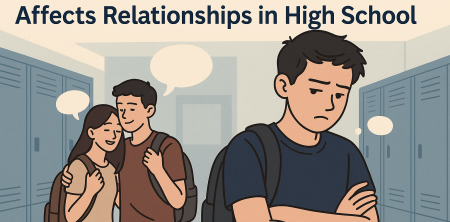
High school can be an emotional rollercoaster, full of ups and downs, blossoming friendships, and first loves. Yet, for some students, navigating this complex social landscape can be even more challenging due to underlying psychological patterns. One such pattern that significantly affects interpersonal dynamics is known as avoidant attachment in high school relationships. This article will explore what avoidant attachment is, how it manifests in relationships, and offer practical insights for students, parents, and educators.
What is Avoidant Attachment?
Avoidant attachment is part of a broader psychological framework known as attachment theory, developed by British psychologist John Bowlby in the mid-20th century. Bowlby posited that early relationships with caregivers shape our expectations and behaviors in later relationships. Individuals with avoidant attachment typically have trouble forming intimate connections and often prioritize independence over emotional closeness.
This attachment style develops in early childhood, often as a response to inconsistent caregiving. Children who grow up with caregivers who are emotionally unavailable or dismissive may learn to suppress their emotional needs to avoid rejection, leading to the avoidant attachment style. This pattern often continues into adolescence, significantly impacting high school relationships.
Recognizing Avoidant Attachment in High School
Recognizing avoidant attachment styles in high school relationships can be crucial for understanding the dynamics at play. Signs of avoidant attachment may include:
- Emotional Distance: Students may seem detached or disinterested in their partner’s feelings.
- Avoidance of Intimacy: They may push others away when relationships become too close or intense.
- Difficulty Expressing Feelings: Often, these individuals struggle to articulate their emotions or may downplay their feelings altogether.
- Fear of Commitment: They might avoid labeling relationships or talking about the future.
These behaviors can create confusion and frustration for partners who may not understand why their attempts at emotional connection are met with resistance.
The Impact of Avoidant Attachment on Romantic Relationships
Avoidant attachment can significantly alter the landscape of romantic relationships in high school. Students with this attachment style may find themselves in a cycle of short-lived romances or friendships that lack depth. This pattern can affect their self-esteem and overall relationship satisfaction.
For instance, consider a student named Sarah who forms a romantic connection with a classmate, Jake. Despite a strong initial attraction, Sarah’s avoidant tendencies lead her to withdraw whenever Jake tries to get closer. As a result, Jake feels rejected and confused, which only reinforces Sarah’s fears of intimacy. This cycle can prevent students like Sarah from experiencing the joy and growth that can come from deep emotional connections.
Challenges in Communication
Communication plays a pivotal role in any relationship, but those with avoidant attachment may struggle significantly in this area. They often have difficulty expressing their thoughts and feelings, which can lead to misunderstandings. For instance, a partner might feel dismissed or ignored, while the person with avoidant attachment may believe they are simply preserving their personal space.
High school settings often exacerbate these challenges, as students navigate peer pressure, social hierarchies, and the emotional turbulence of adolescence. For some, the fear of vulnerability can make it difficult to open up even to close friends, compounding issues in romantic relationships. This lack of communication can create a feedback loop of frustration and further avoidance.
Parental Influence and Modeling Behavior
Parents play a crucial role in shaping their children’s attachment styles. If parents demonstrate avoidant behaviors—such as being overly critical, dismissive, or emotionally unavailable—children may learn to replicate these patterns in their relationships. Understanding this influence can help parents become more aware of their behaviors and how they may affect their child's emotional development. (See: Attachment theory overview.)
For example, if a parent frequently minimizes their child’s feelings or reacts negatively to emotional displays, the child may internalize the idea that expressing emotions is unsafe or undesirable. This can lead to a heightened prevalence of avoidant attachment in high school relationships, as the child learns to distance themselves from their emotions and those of others.
Breaking the Cycle of Avoidant Attachment
Recognizing and addressing avoidant attachment in high school relationships can pave the way for healthier connections. Here are some strategies that can help:
- Self-Awareness: Encourage students to reflect on their behaviors and attachment styles. Understanding their tendencies can help them make conscious decisions about how to interact with others.
- Open Communication: Teach students the importance of expressing their thoughts and feelings openly. This can involve practicing active listening and responding empathetically.
- Therapeutic Support: Seeking support from a counselor or therapist can provide valuable insights and coping strategies for those struggling with avoidant attachment.
- Building Trust: Gradually increasing vulnerability in safe relationships can help students learn to trust others and open up emotionally.
By implementing these strategies, students can begin to break the cycle of avoidant attachment and foster healthier relationships.
The Relevance of Avoidant Attachment in Today's World
The implications of avoidant attachment reach far beyond high school. In an age where social media often creates superficial connections, young people may struggle even more with forming genuine relationships. This phenomenon can lead to feelings of isolation and loneliness, which are especially concerning in adolescents.
Recent studies have shown a rise in mental health issues among teenagers, including anxiety and depression. Understanding how avoidant attachment contributes to these issues can help educators and parents provide better support. By addressing these underlying issues, we can create a more nurturing environment for students navigating their formative years.
Peer Support and Initiatives
Peer support can play a significant role in mitigating the effects of avoidant attachment in high school relationships. Schools can implement programs that promote emotional intelligence, communication skills, and empathy among students. Group activities that encourage collaboration can help students practice vulnerability in a safe setting.
For instance, peer-led workshops and support groups can create spaces for open dialogue about relationships, mental health, and personal experiences. By normalizing discussions around attachment styles and emotional needs, students can feel less isolated in their struggles.
The Role of Educators in Addressing Attachment Styles
Educators are more than just knowledge dispensers; they can also be pivotal in shaping students' emotional and social learning. Teachers trained in recognizing various attachment styles can be more effective in supporting their students. By fostering an inclusive classroom environment where emotional expression is valued, teachers can help students feel safe sharing their experiences.
Incorporating social-emotional learning (SEL) into the curriculum can also be beneficial. Programs focused on emotional regulation, empathy, and relationship skills can assist students in understanding their behaviors and improving their interactions with peers. Educators who model healthy attachment behaviors themselves can create a culture that encourages positive relationships.
Frequently Asked Questions (FAQ)
What are the long-term effects of avoidant attachment beyond high school?
The long-term effects of avoidant attachment can permeate various aspects of life, including future romantic relationships, friendships, and even professional interactions. Adults with avoidant attachment may struggle to form close, meaningful relationships, often leading to a sense of isolation and dissatisfaction. This attachment style can also manifest in difficulties with teamwork and collaboration in workplaces, where intimate or vulnerable exchanges are often necessary for effective teamwork.
Can avoidant attachment be changed or improved?
Yes, avoidant attachment can be changed or improved with intentional effort and support. Therapy, especially approaches like Cognitive Behavioral Therapy (CBT) or Emotionally Focused Therapy (EFT), can be particularly effective. These therapies focus on helping individuals understand their relationship patterns, develop healthier emotional responses, and learn to communicate more openly with others. (See: Children's mental health resources.)
How can friends support someone with avoidant attachment?
Friends can support someone with avoidant attachment by creating a safe space for sharing feelings without judgment. It's essential to practice patience and understanding, allowing the individual to express themselves at their own pace. Engaging in activities that foster bonding without the pressure of emotional discussions can also create a comfortable environment for closeness.
Is avoidant attachment linked to other mental health issues?
Yes, research indicates that avoidant attachment can be associated with various mental health issues, including anxiety, depression, and low self-esteem. These individuals might struggle with emotional regulation, often leading to heightened stress levels in interpersonal situations. Recognizing these links can be crucial for early intervention and support.
Are there specific strategies for high school counselors working with students showing avoidant attachment traits?
High school counselors can adopt a multifaceted approach to support students displaying avoidant attachment traits. This can include:
- Building Trust: Establish a secure base for students by being consistent and reliable in your interactions.
- Facilitating Group Therapy: Create small groups where students can explore their feelings and experiences in a controlled, safe environment, emphasizing shared experiences.
- Encouraging Journaling: Promote journaling as a means for students to express their feelings privately, which can help them process emotions before sharing with others.
- Providing Resources: Offer literature and resources that explain attachment styles and their impacts, helping students gain insight into their behavior.
Moving Forward with Understanding
Avoidant attachment in high school relationships is a complex issue with roots in early experiences and ongoing patterns of behavior. By increasing awareness of attachment styles, we can foster healthier relationships and improve the emotional well-being of young people. It's essential to remember that change is possible. With the right support, understanding, and willingness to grow, students can overcome the barriers posed by avoidant attachment and cultivate fulfilling, meaningful connections.
Personal Stories and Case Studies
Real-life examples can illuminate the challenges faced by individuals with avoidant attachment. Consider the story of Mark, a junior who struggled to maintain friendships during high school. Mark often felt overwhelmed by the emotional demands of close relationships and would instinctively pull away whenever friends tried to engage him on a deeper level. This behavior created a rift between him and his friends, leading to loneliness and self-doubt.
After recognizing his patterns, Mark sought support from a school counselor, who helped him understand his attachment style. Over time, he learned to communicate his struggles with his friends. Instead of shutting them out, he began to express his feelings of overwhelm. This small shift allowed his friends to provide the understanding and space he needed, leading to deeper, more meaningful connections.
This transformation highlights the importance of self-awareness and the potential for change. Many students may not realize that their avoidant tendencies can be addressed with the right support and openness to growth.
Statistics on Attachment Styles among Adolescents
Understanding the prevalence of attachment styles in adolescents can shed light on the need for better educational and therapeutic interventions. Recent studies suggest that approximately 20% of adolescents exhibit avoidant attachment behaviors. This statistic underscores the importance of recognizing and addressing these tendencies early in life to mitigate their long-term effects.
Furthermore, research shows that adolescents with avoidant attachment are more likely to report feelings of isolation and dissatisfaction in their relationships. They may also be at a higher risk for developing mental health issues such as anxiety and depression. For instance, a study published in the Journal of Youth and Adolescence found that teens with avoidant attachment were 40% more likely to experience depressive symptoms compared to their securely attached peers.
These statistics highlight the critical need for schools and parents to foster environments that promote healthy emotional development and relationships, as they can have lasting impacts on students' mental health and social well-being.
Building Healthy Relationships: A Practical Guide for Students
For students navigating the complexities of high school relationships while dealing with avoidant attachment, having a practical guide can be immensely helpful. Here are some actionable steps they can take:
- Practice Gradual Exposure: Start by sharing small details about yourself. This could be your interests or a casual experience from your day. Gradually increasing the level of intimacy in sharing can help ease the fear of vulnerability.
- Engage in Group Activities: Joining clubs or teams can foster a sense of community and belonging. Participating in group activities allows for social interaction without the pressure of one-on-one emotional engagement.
- Develop Coping Strategies: Identify specific triggers that lead to avoidance and develop strategies to cope with these feelings. This might include deep breathing exercises, journaling, or talking to a trusted friend or counselor.
- Set Relationship Goals: Encourage setting realistic goals for relationships, such as attending social events or initiating conversations with peers. This can help create a sense of purpose in building connections.
By proactively working on these aspects, students can navigate their relationships more effectively and reduce the impact of avoidant attachment on their social lives.
The Importance of Peer Education
Peer education can be a powerful tool in addressing avoidant attachment among high school students. By training peers to recognize the signs of avoidant attachment and understand the emotional needs of their classmates, schools can create supportive environments where students feel empowered to reach out for help.
Peer-led groups can facilitate discussions around emotional health, provide information on attachment styles, and allow students to share their experiences. These initiatives can help normalize conversations about feelings, significantly reducing the stigma associated with mental health issues and emotional struggles.
Programs that focus on peer support can foster empathy, understanding, and connection among students, creating a culture where everyone feels valued and heard. This proactive approach not only benefits individuals with avoidant attachment but also contributes to the overall emotional health of the student body.
Conclusion: A Path to Healthier Relationships
Understanding avoidant attachment in high school relationships is essential for fostering emotional well-being among adolescents. By recognizing the signs, offering support, and creating environments that encourage open communication, we can help students navigate their relationships more successfully. Through self-awareness, therapeutic support, and peer initiatives, young people can learn to build healthier, more meaningful connections that enhance their overall quality of life.
```
Trending Now
Frequently Asked Questions
What is avoidant attachment in high school?
Avoidant attachment in high school refers to a psychological pattern where students struggle to form intimate connections and prioritize independence over emotional closeness. This attachment style often stems from early childhood experiences with inconsistent caregiving, leading individuals to suppress their emotional needs to avoid rejection.
How does avoidant attachment affect relationships?
Avoidant attachment can lead to emotional distance in relationships, making individuals appear detached or disinterested in their partner's feelings. They may avoid intimacy, struggle to express their emotions, and exhibit a fear of commitment, which can create challenges in building healthy connections during high school.
What are the signs of avoidant attachment in teenagers?
Signs of avoidant attachment in teenagers include emotional distance, avoidance of intimacy, difficulty expressing feelings, and a fear of commitment. These behaviors can manifest as detachment from partners, reluctance to engage in close relationships, and challenges in articulating emotions.
Can avoidant attachment be changed?
Yes, avoidant attachment can be addressed and changed over time. Through self-awareness, therapy, and healthy relationship experiences, individuals can learn to recognize their patterns and develop more secure attachment styles, fostering better emotional connections with others.
How can parents help children with avoidant attachment?
Parents can help children with avoidant attachment by providing consistent emotional support, encouraging open communication about feelings, and modeling healthy relationships. Creating a safe environment where children feel valued and understood can aid in overcoming avoidant tendencies and fostering secure attachments.
What's your take on this? Share your thoughts in the comments below — we read every one.

