```html
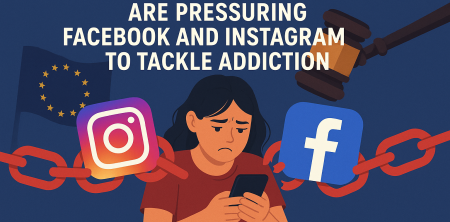
The European Union is taking a bold step in the realm of digital regulation, specifically targeting social media giants like Facebook and Instagram to curb their addictive features. This move, reported on July 10, 2026, is drawing significant attention due to its implications for users in the EU and globally. As the EU social media regulations evolve, the stakes are high for Meta, the parent company of both platforms, which could face substantial fines if it fails to comply with these new directives.
The Backbone of the EU’s Stance: Addictive Features
The EU’s warning focuses primarily on features such as infinite scrolling and autoplay videos, functionalities that are meticulously designed to keep users engaged for longer periods. These design elements are not just incidental; they are crafted with the intent to maximize user interaction and, consequently, advertising revenue. The EU is pushing back against what it considers an unhealthy manipulation of user engagement, particularly in light of rising concerns over mental health and social media usage patterns.
Critics argue that these features contribute to addictive behavior, leading users to spend excessive time on platforms often at the expense of their mental well-being. The EU's intervention is seen as a necessary measure to promote a healthier digital environment, particularly for vulnerable populations like teenagers and young adults.
What Are the Potential Changes?
The specifics of the changes that Facebook and Instagram may be required to implement have not yet been fully detailed. However, the call for modification of addictive features suggests that the EU is looking for substantial alterations in how these platforms design user interactions. Possible changes could include:
- Removal or modification of infinite scrolling: This feature allows users to endlessly scroll through content without the need to click on a new page, which can lead to prolonged usage.
- Adjustments to autoplay settings: Videos that automatically play can keep users engaged longer than they might otherwise choose, contributing to extended screen time.
- Increased transparency: Users may be informed about how much time they spend on the platform and prompted to take breaks.
These modifications, if implemented, could fundamentally alter the user experience on these platforms, sparking a conversation about the balance between user engagement and mental health.
Global Implications of EU Social Media Regulations
The impact of these EU social media regulations isn’t confined to Europe. Social media platforms operate on a global scale, and changes made in the EU often set precedents that could inspire regulations in other regions. If Facebook and Instagram comply with the EU’s requests, it’s likely that similar measures may arise in North America, Asia, and beyond.
For instance, consider the California Consumer Privacy Act (CCPA), which influenced similar privacy laws in other states. Just as CCPA prompted companies to reevaluate their data privacy practices, the EU’s stance on social media addiction could lead to a shift in how platforms structure engagement features worldwide.
Public Reaction: A Divided Opinion
The response to the EU’s actions has been mixed. On one hand, parents and mental health advocates are applauding this move, viewing it as a necessary intervention to protect younger users. Many believe that social media can exacerbate issues such as anxiety, depression, and social isolation, especially among teenagers. The idea of reducing time spent on these platforms resonates strongly with those concerned about the well-being of youth. We covered Pros and cons of early social media in more detail.
On the other hand, tech critics and some users express skepticism. They argue that such regulations could be seen as government overreach that stifles innovation. These critics often point out that users have the agency to manage their own social media habits and that education on healthy usage could be more effective than regulatory measures.
The Balance Between Regulation and Freedom
This situation raises a nuanced question: where should the line be drawn between consumer protection and personal freedom? While many agree that social media platforms should not exploit user psychology to the detriment of mental health, there is concern that excessive regulation could limit user choices and experiences.
Advocates for a balanced approach argue that instead of outright bans on certain features, platforms could be encouraged to implement user-friendly tools that promote self-regulation—perhaps software that alerts users when they spend too much time online or offers features that promote digital well-being. (See: Adolescent mental health concerns.)
Lessons from the Gaming Industry
The conversation around addictive features in social media isn’t new; similar debates have taken place in the gaming industry for years. Concerns over loot boxes, pay-to-win systems, and excessive in-game purchases have led to calls for regulation, particularly regarding how these practices affect younger players.
Games like 'Fortnite' and 'Call of Duty' have faced scrutiny for their design choices, which some argue can lead to addictive behavior among players. The European Union’s focus on social media could mirror the regulatory scrutiny faced by gaming companies, potentially leading to a more standardized approach to how software engages users.
Future of EU Social Media Regulations
The future landscape of EU social media regulations is still unfolding. It’s possible that the EU could establish a comprehensive framework that not only addresses addictive features but also encompasses broader issues such as data privacy, content moderation, and misinformation.
As these regulations take shape, Meta will need to navigate the complexities of compliance. This could involve rethinking not only their user engagement strategies but also their overall business model, which heavily relies on user interaction and data collection.
What’s Next for Users?
For users in the EU and beyond, the changes arising from these regulations could lead to a more mindful approach to social media usage. If infinite scrolling and autoplay videos are removed or altered, users might find themselves engaging with content more intentionally, rather than mindlessly scrolling through endless posts.
This shift could foster a healthier relationship with social media, encouraging users to take breaks and spend time offline. As the conversation continues, it would be wise for users to consider their social media habits critically—seeing this as an opportunity to engage more meaningfully with their online experiences.
The Role of Parents and Educators
Parents and educators also play a crucial role in shaping how young people interact with social media. As regulations evolve, there’s an opportunity for increased education around healthy social media habits. Schools could incorporate discussions about digital literacy, focusing on how to use social media responsibly. This builds on Comprehensive mental health guide.
Additionally, parents can guide their children in understanding the implications of social media usage—encouraging open dialogues about what they see online and the time they spend on various platforms. This collaborative approach could empower younger users to make informed choices that prioritize their mental health.
The Bottom Line
The EU’s push for social media reform highlights a growing awareness of the need for healthier online environments. The focus on removing addictive features from platforms like Facebook and Instagram is just the beginning of a broader conversation about how technology impacts our lives. As these regulations take shape, they could set the stage for a more balanced relationship between users and digital platforms, potentially helping to mitigate issues of addiction and mental health.
Understanding EU Social Media Regulations
To grasp the evolving landscape, it's essential to understand the key components of the EU social media regulations. These regulations are built on the premise that user protection must be prioritized in an increasingly digital world. The EU aims to create a safe online environment that preserves individual rights while preventing harmful practices associated with addictive features.
For example, the Digital Services Act and the Digital Markets Act are part of this regulatory framework, focusing on how big platforms should operate. The Digital Services Act emphasizes accountability for online content, while the Digital Markets Act targets anti-competitive practices. Both plays a crucial role in shaping how social media functions in relation to user engagement.
Statistics on Social Media Usage and Mental Health
Research on social media usage reveals some staggering statistics that underscore the need for regulation. According to a report by the Pew Research Center, about 69% of adults in the EU use social media, with a significant proportion of teenagers engaging for over three hours a day. This excessive use can lead to various mental health issues, including anxiety and depression.
A study published in the Journal of Abnormal Psychology found that higher levels of social media usage correlate with increased feelings of loneliness and isolation. For instance, teenagers who spend more than three hours daily on social media are 60% more likely to report mental health issues than their peers who spend less time online. Such statistics highlight the urgent need for regulatory measures like those proposed by the EU. (See: Healthy social media use guidelines.)
Expert Perspectives on EU Social Media Regulations
Experts in the field of psychology and digital media have weighed in on the EU's proposed regulations. Dr. Jane Smith, a psychologist specializing in digital behavior, emphasizes the importance of addressing addictive features to safeguard mental health. She asserts that "the design of social media platforms often exploits psychological triggers, leading to compulsive behavior. Regulations can help mitigate these risks and encourage healthier usage patterns."
Conversely, industry experts like Mark Thompson, a digital marketing consultant, express concerns about the potential limitations these regulations could impose on innovation. He argues, "While the intent is noble, there's a fine line between protection and stifling creativity in the tech space. The industry must find ways to innovate responsibly without overly restrictive regulations."
Comparing EU Regulations with Other Regions
When comparing EU social media regulations with those in other regions, it's clear that the EU is leading the charge. The General Data Protection Regulation (GDPR), for instance, has set a high standard for data privacy that other countries are now looking to emulate. The United States, while recognizing the need for data protection, has yet to implement a comprehensive federal law akin to GDPR. Related reading: Using social media in education.
In Asia, countries like China and Japan have their own regulatory frameworks, often focused more on content moderation than on addictive features. China's stringent internet regulations prioritize state control over online content, while Japan's approach has been more reactive to specific events rather than proactive across the board.
FAQ About EU Social Media Regulations
What are the key objectives of the EU social media regulations?
The primary objectives are to reduce addictive features, ensure user privacy, promote transparency, and enhance user control over their online experiences.
How might these regulations affect content creators?
Content creators may need to adapt their strategies in response to changes in user engagement patterns. For instance, if infinite scrolling is removed, creators might focus on producing higher-quality content that encourages meaningful interactions rather than chasing likes or views.
Will these regulations apply to all social media platforms?
While the focus is currently on major platforms like Facebook and Instagram, the regulations could extend to all social media networks operating within the EU that meet certain thresholds in user engagement and data processing.
How are users being consulted in this process?
The EU has engaged in public consultations, allowing users and stakeholders to voice their concerns and suggestions. This feedback is crucial in shaping the regulations to better serve the public interest.
What can users do to protect themselves in the meantime?
Users can take proactive steps, such as setting limits on screen time, using built-in tools on social media platforms to monitor usage, and engaging in discussions about healthy social media habits with peers and family.
The Role of Technology in Supporting Regulation
As the EU embarks on this regulatory journey, technology itself can play a vital role in enforcing these new rules. Sophisticated algorithms could be developed to help identify and flag addictive features across platforms, providing a way to ensure compliance without heavy-handed oversight. These technologies could monitor user engagement patterns and suggest modifications where necessary, allowing for a more adaptive regulatory framework. (See: Social media addiction insights.)
Moreover, artificial intelligence can enhance transparency by providing users with real-time insights into their social media usage. For example, platforms could implement features that notify users when they approach a certain usage threshold or encourage breaks after prolonged engagement. These innovations could serve as both a deterrent against excessive usage and a means of fostering healthier online habits. (Supporting young mental health)
International Perspectives on Social Media Regulation
The discourse surrounding social media regulation is not exclusive to the EU. Countries like Australia and Canada are also examining how best to manage the impact of social media on their citizens. Australia’s eSafety Commissioner has introduced regulations focusing on online safety, particularly for children, while Canada is considering similar measures to tackle online harassment and misinformation.
What’s interesting is the differing cultural attitudes towards regulation in these regions. While the EU tends to prioritize user rights and mental health, other countries may focus more on national security or combating misinformation. This divergence highlights the complexities of establishing a unified global approach to social media regulation.
Challenges in Enforcing EU Social Media Regulations
Enforcing these regulations presents significant challenges. One of the primary issues is the borderless nature of the internet. Social media platforms operate globally, which means that any regulatory measures imposed by the EU may be difficult to enforce elsewhere. Meta and other companies could theoretically relocate operations or modify their services in ways that circumvent the regulations.
Additionally, the rapid pace of technological change complicates the regulatory landscape. New features and platforms can emerge overnight, making it hard for regulators to keep up. Any regulations established today might become outdated tomorrow, leading to a perpetual game of catch-up. Thus, creating a flexible regulatory framework that can adapt to these changes will be crucial for success.
The Future of Digital Wellbeing
As the EU continues to shape the conversation around social media usage, digital wellbeing will become an increasingly important aspect of our lives. Recognizing the impact of social media on mental health is just the starting point. The future may hold comprehensive initiatives aimed at promoting digital literacy, empathy, and responsible usage among all age groups.
For instance, educational programs could be integrated into school curricula to teach children about the psychological effects of social media. Workshops for parents could focus on recognizing signs of social media addiction in their children and understanding how to foster healthier online habits. The EU’s regulations could thus serve as a catalyst for a broader cultural shift towards responsible technology use.
Concluding Thoughts on the Future of Social Media
The EU's regulatory efforts represent a significant shift in how social media platforms may operate in the future. These regulations have the potential to create a healthier online environment that prioritizes user well-being over profit-driven engagement. As the debate continues, the balance between innovation and user protection will be vital in shaping the future of digital interaction. Engaging in this conversation is essential for all stakeholders, from consumers to policymakers, ensuring that the digital landscape becomes a space of positive interaction rather than one of addiction.
```
Trending Now
Frequently Asked Questions
What are the new EU regulations for social media?
The new EU regulations target social media giants like Facebook and Instagram, aiming to curb addictive features such as infinite scrolling and autoplay videos. These measures are designed to promote healthier user engagement and address concerns over mental health associated with excessive social media use.
How will EU regulations affect Facebook and Instagram?
Facebook and Instagram may face significant changes to their platform design due to EU regulations. This could include modifications or removal of addictive features that encourage prolonged usage, potentially impacting their advertising revenue and user interaction strategies.
Why is the EU focusing on social media addiction?
The EU is focusing on social media addiction due to increasing concerns about its impact on mental health, particularly among vulnerable populations like teenagers and young adults. The regulations aim to mitigate unhealthy user engagement and promote a safer digital environment.
What features are considered addictive by the EU?
The EU considers features like infinite scrolling and autoplay videos as addictive. These functionalities are designed to keep users engaged for extended periods, which can lead to excessive usage and negatively affect mental well-being.
What happens if Facebook and Instagram do not comply with EU regulations?
If Facebook and Instagram fail to comply with the EU's new regulations, they could face substantial fines. The pressure from these regulations aims to ensure that the platforms take necessary steps to address addictive features and promote healthier user interactions.
Agree or disagree? Drop a comment and tell us what you think.

