```html
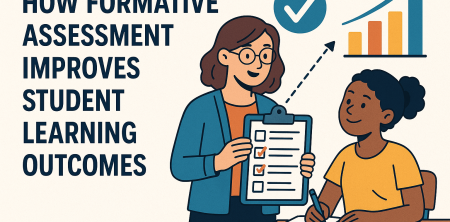
When it comes to enhancing student learning outcomes, one approach stands out for its effectiveness: formative assessment. This technique isn’t just a trend; it’s a fundamental shift in how educators approach teaching and learning. By integrating formative assessment into the educational process, teachers can identify student needs in real-time, tailor their instruction accordingly, and ultimately boost student engagement and performance.
Understanding Formative Assessment
At its core, formative assessment refers to a variety of methods that educators use to evaluate students’ understanding of material during the learning process. Unlike summative assessments, which occur at the end of an instructional period and measure what students have learned, formative assessments are ongoing. They provide immediate feedback that can inform teaching strategies, helping to close gaps in understanding before they widen.
The significance of formative assessment lies in its ability to adapt to student needs. For instance, a teacher might adjust lesson plans mid-week based on assessments conducted during the previous days. This flexibility allows for a more tailored educational experience, ensuring that no student is left behind due to a lack of understanding or misconceptions. Formative assessment helps educators recognize when a concept isn't resonating and gives them the chance to revisit it before progressing further.
The Importance of Feedback
Feedback is a critical component of formative assessment. According to research by Hattie and Timperley (2007), effective feedback can significantly enhance student learning. The key is that feedback must be timely, specific, and constructive. When students receive feedback quickly, they are more likely to retain the information and make necessary adjustments in their work. This cycle of feedback and improvement is what makes formative assessments so powerful.
For instance, teachers can use quick quizzes, written reflections, or classroom discussions to gauge understanding. They can then provide feedback that helps students reflect on their learning and identify areas for improvement. This constant loop of interaction not only aids in academic growth but also boosts students’ confidence.
Formative Assessment Techniques
There’s no one-size-fits-all approach to formative assessment; rather, a variety of techniques can be employed based on the subject matter and the needs of the students. Here are some effective methods:
- Exit Tickets: Students write down their understanding of a topic at the end of a class. This gives teachers a snapshot of what students grasped.
- Peer Assessment: Students review each other’s work, which encourages collaboration and critical thinking.
- Self-Assessment: Students evaluate their own work using rubrics, fostering ownership of their learning.
- Observations: Teachers can observe students during activities to assess engagement and understanding.
- Quizzes: Low-stakes quizzes can offer insights into students’ knowledge without the pressure of high-stakes testing.
- Learning Journals: Students maintain journals where they reflect on their learning experiences and challenges.
- Think-Pair-Share: Students think about a question individually, discuss it with a partner, and then share their thoughts with the class to enhance understanding.
Real-World Applications
Formative assessment isn’t just theory; it’s been successfully implemented in various educational settings. For example, in a high school math class, a teacher might use a mix of group work, individual quizzes, and real-time polling to assess understanding of algebraic concepts. Feedback from these assessments can lead to targeted interventions for students struggling with specific problems.
In elementary schools, teachers might integrate formative assessment by using interactive learning tools such as Kahoot! or Quizlet Live. These platforms allow for instant feedback and cater to different learning styles, making learning more engaging.
Additionally, many educators now use digital platforms to facilitate formative assessments. For instance, using tools like Google Classroom, teachers can create quick surveys and polls to gauge understanding even in large classrooms. This technology not only streamlines the assessment process but also allows for data collection that can inform future instruction.
Enhancing Student Engagement
Engagement is a vital element of effective learning, and formative assessment helps foster it. When students are actively involved in assessing their own learning, they tend to take ownership of their educational journey. A 2018 study published in the Journal of Educational Psychology found that students who engaged in self-assessment showed higher motivation and commitment to their studies. (See: Formative Assessment Strategies.)
Additionally, by using formative assessments that allow for student choice, educators can heighten engagement. For instance, allowing students to choose how they demonstrate their understanding—whether through a presentation, a written report, or a creative project—can lead to increased investment in their work.
Student-led conferences are another innovative approach to boost engagement. In these settings, students present their learning progress to parents and teachers, allowing them to articulate their understanding and reflect on their learning journey. This practice not only empowers students but also encourages them to take accountability for their academic growth.
Addressing Diverse Learning Needs
Every classroom comprises a diverse range of learners, each with unique needs. Formative assessment plays a crucial role in identifying these needs early on. By continuously monitoring student progress, teachers can adjust their methods to cater to different learning styles and abilities.
This individualized focus is particularly important in inclusive classrooms, where students with disabilities or English language learners may require different strategies to succeed. For instance, a teacher might use visual aids alongside verbal instructions for a student struggling with language comprehension, ensuring that all students can access the curriculum effectively.
Additionally, differentiated instruction can be woven into formative assessments. By analyzing data from assessments, teachers can group students based on their understanding and provide targeted instruction. This responsive approach ensures that all students, regardless of their starting point, have the opportunity to succeed.
Challenges and Considerations
While formative assessment offers numerous benefits, it’s not without challenges. One major hurdle is the time commitment required to implement these assessments effectively. Teachers often juggle numerous responsibilities, making it challenging to provide timely feedback consistently.
Another consideration is ensuring that assessments are fair and accessible to all students. Educators must be mindful to create assessments that account for varying levels of understanding and comfort with material. Training and professional development can help teachers refine their formative assessment techniques and ensure they’re meeting all students' needs.
Additionally, there can be resistance to the shift from traditional assessment methods to formative strategies. Some educators may feel overwhelmed by the change or uncertain about how to implement new techniques effectively. It’s essential for schools to foster a supportive environment where teachers can collaborate, share experiences, and learn best practices.
The Role of Technology in Formative Assessment
Technology has revolutionized how formative assessments can be administered. Online platforms enable real-time feedback and facilitate a range of assessment types, from quizzes to interactive discussions. Tools such as Google Forms, Edmodo, and Seesaw allow educators to gather and analyze data on student performance easily.
Moreover, adaptive learning technologies can personalize the formative assessment experience. Programs that adjust the difficulty of questions based on student responses can provide targeted data that informs instruction. This intelligent approach can help identify when students need extra support or when it’s time to push them further. (See: Learning and Assessment Techniques.)
Using mobile apps for formative assessments is also gaining traction. Apps like Socrative and Poll Everywhere allow teachers to conduct instant polls and quizzes, making the assessment process dynamic and engaging. This immediacy not only enhances engagement but also provides teachers with data they can act on right away.
The Future of Formative Assessment
Looking ahead, the integration of formative assessment into the educational framework is likely to deepen. As educators recognize the importance of ongoing assessment for learning, we can expect more schools to embrace these techniques as a standard practice.
Professional development focused on formative assessment strategies will be key in this transition. Teachers should be equipped with the skills and knowledge necessary to implement these assessments effectively, ensuring they can adapt to the needs of their students.
Moreover, the push for educational equity will likely lead to an increased emphasis on formative assessments. By identifying learning gaps early and providing tailored support, educators can ensure that every student has the opportunity to thrive. This focus aligns with broader educational goals of inclusivity and diversity within the classroom.
FAQs about Formative Assessment
What is the difference between formative and summative assessment?
Formative assessment is ongoing and used to monitor student learning and inform instruction. In contrast, summative assessment evaluates what students have learned at the end of an instructional period, usually through exams or projects.
How can teachers implement formative assessments effectively?
Teachers can implement formative assessments by incorporating a variety of techniques such as exit tickets, peer assessments, and self-evaluations. It’s important to provide timely feedback and to create a safe environment where students feel comfortable sharing their understanding.
What are some examples of formative assessment in the classroom?
Examples include quizzes, classroom discussions, observation of group work, learning journals, and student presentations. Each method offers insights into student understanding and helps inform instructional adjustments.
Can formative assessments be used in online learning environments?
Absolutely! Many digital platforms facilitate formative assessments through quizzes, polls, and interactive discussions. Tools like Kahoot!, Google Forms, and Microsoft Teams enable teachers to gather real-time data on student learning, even in remote settings.
How does formative assessment support differentiated instruction?
Formative assessment provides educators with insights into individual student progress, allowing them to tailor their instruction to meet varying learning needs. By grouping students based on their understanding, teachers can provide targeted support, ensuring that every learner has access to the necessary resources and instruction. (See: Impact of Formative Assessment.)
Expanded Techniques for Formative Assessment
While we previously discussed several effective techniques for formative assessment, there are even more innovative strategies that educators can employ to enhance their practice:
- Concept Mapping: Students create visual representations of their understanding of a topic, allowing teachers to assess their comprehension and the connections they make between concepts.
- One-Minute Papers: At the end of a class, students respond to a prompt about what they learned and what questions they still have. This quick reflection helps teachers gauge student understanding and adjust future lessons.
- Digital Portfolios: Students compile a collection of their work over time, illustrating their learning process and growth. Teachers can review these portfolios to assess progress and provide feedback.
- Interactive Exit Slips: Instead of writing on paper, students can submit digital exit slips through a learning management system, allowing for quicker data collection and analysis.
- Group Projects with Reflection: After completing group projects, students reflect individually on their contributions and the group’s overall performance, helping educators understand both collaborative and individual learning outcomes.
Research and Evidence Supporting Formative Assessment
Numerous studies underscore the effectiveness of formative assessment in improving educational outcomes. A meta-analysis conducted by Hattie (2009) found that formative assessment strategies can increase student achievement by an average of 0.79 standard deviations, which translates to significant gains in learning. This research highlights that formative assessment is one of the top influences on student success.
Furthermore, a report from the National Council on Measurement in Education emphasizes that formative assessment can lead to deeper learning by providing students with the opportunity to engage with material more meaningfully and reflect on their learning processes.
In practice, schools that have implemented formative assessment strategies report improved student motivation and performance. For instance, a district-wide initiative in Tennessee showed a 15% increase in standardized test scores after teachers adopted formative assessment practices alongside ongoing professional development.
Creating a Culture of Formative Assessment
For formative assessment to be truly effective, it must be part of a broader culture of learning within the school. Here are some strategies to foster this culture:
- Collaboration Among Teachers: Encourage teachers to share their experiences and strategies related to formative assessment. Regular professional learning communities can provide opportunities for collaboration and idea exchange.
- Involvement of Stakeholders: Involve parents and community members in understanding the role of formative assessment. Workshops or informational sessions can help them support their children’s learning at home.
- Emphasizing Growth Mindset: Promote a growth mindset among students where mistakes are viewed as opportunities for learning rather than failures. This perspective can encourage students to engage more fully with formative assessments.
- Reflective Practices: Regularly reflect on the effectiveness of formative assessment strategies. Teachers should evaluate what works, what doesn’t, and make adjustments to enhance their practices.
Addressing Common Misconceptions about Formative Assessment
Despite the proven benefits of formative assessment, various misconceptions can hinder its effective implementation. Here are some common myths and the realities behind them:
- Myth: Formative assessment is just extra work for teachers. Reality: While formative assessment requires effort, it can streamline instruction by providing real-time insights into student understanding, ultimately saving time in the long run.
- Myth: Formative assessments are only informal methods. Reality: While some formative assessments are informal, others can be structured and systematic, providing valuable data for instructional decisions.
- Myth: Students will resist formative assessments. Reality: When students understand the purpose of formative assessments and how they can benefit their learning, they often embrace them as a valuable part of their educational experience.
Conclusion: A Path to Improved Learning Outcomes
Formative assessment is more than just a tool; it’s a pathway to improving student learning outcomes. By providing ongoing feedback, engaging students in their learning, and addressing diverse needs, formative assessment can transform classrooms into dynamic learning environments. As education continues to evolve, embracing these assessment strategies will be crucial in fostering a culture of continuous improvement and success for all students.
```
Trending Now
Frequently Asked Questions
What is formative assessment and how does it work?
Formative assessment is a continuous process that educators use to evaluate students' understanding during the learning experience. It includes various methods, such as quizzes and discussions, to provide immediate feedback, allowing teachers to adjust their instruction based on real-time student needs.
How does formative assessment improve student engagement?
Formative assessment enhances student engagement by allowing teachers to tailor their instruction to meet individual needs. By identifying gaps in understanding and providing timely feedback, students feel supported and more involved in their learning process, which boosts overall performance.
What are the benefits of feedback in formative assessment?
Feedback in formative assessment is crucial as it helps students understand their strengths and areas for improvement. Timely, specific, and constructive feedback encourages students to adjust their work effectively, leading to better retention of information and enhanced learning outcomes.
How can teachers implement formative assessment in the classroom?
Teachers can implement formative assessment by incorporating quick quizzes, class discussions, and observational assessments into their lessons. By regularly checking for understanding and adjusting lesson plans based on student responses, educators can create a more dynamic and responsive learning environment.
What is the difference between formative and summative assessment?
The main difference is timing and purpose. Formative assessment occurs during the learning process to gauge understanding and inform instruction, while summative assessment takes place at the end of an instructional period to evaluate what students have learned.
Agree or disagree? Drop a comment and tell us what you think.

