```html
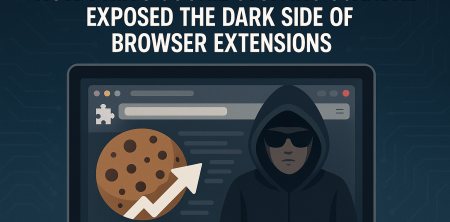
The tech world is reeling after a recent investigation unveiled a troubling practice at the heart of one of its promising startups, Phia. This startup, known for its innovative browser extension, has found itself at the center of a scandal involving 'cookie stuffing.' As users and investors alike grapple with the implications, it’s essential to unpack what this means for the future of cookie stuffing startups and the broader landscape of digital privacy.
Understanding Cookie Stuffing
Before diving into the specifics of the Phia controversy, it's vital to understand what cookie stuffing is. This deceptive practice involves the unauthorized placement of tracking cookies on a user's browser, which can then be exploited to hijack ad revenue. Essentially, when a user clicks on an affiliate link, the cookie stuffing enables the affiliate to claim commissions without any legitimate engagement from the user.
In a world where transparency and user consent are paramount, cookie stuffing raises significant ethical questions. It has the potential to violate privacy laws and expose individuals to financial fraud, making it a critical issue for anyone who relies on browser extensions for a better online experience.
The Phia Investigation
The Bloomberg investigation released in July 2026 shed light on the allegations against Phia, raising alarms within the tech community. Investigative researchers discovered that Phia's browser extension was quietly installing tracking cookies without user consent. This revelation has left millions of users vulnerable to potential financial fraud and has called into question the integrity of the startup.
For many users, the extension was marketed as a tool designed to enhance their browsing experience. However, the underlying mechanisms embedded within the software painted a starkly different picture. Users were misled into believing they were safe, when in reality, their experiences were being manipulated for profit.
Privacy Violations and Legal Implications
The implications of Phia's actions are profound, particularly concerning privacy laws. The unauthorized installation of cookies could be in violation of regulations like the General Data Protection Regulation (GDPR) in Europe or the California Consumer Privacy Act (CCPA) in the United States. These laws place strict requirements on companies regarding user consent and data protection.
The potential fallout for Phia could be immense. Legal repercussions might include hefty fines, lawsuits from affected users, and a damaging blow to its reputation. For cookie stuffing startups, this case serves as a cautionary tale about the importance of ethical practices in technology.
User Backlash and Social Media Outrage
As news of the cookie stuffing allegations broke, a wave of outrage swept across social media platforms. Users, feeling betrayed by a startup they once trusted, began to demand refunds and delete the extension. The hashtag #PhiaScandal quickly gained traction as users shared their experiences and concerns.
This backlash highlights a critical turning point in consumer behavior. Today's users are not willing to overlook privacy violations or deceptive practices. With growing awareness about data privacy, the actions of cookie stuffing startups like Phia could lead to significant consequences, including user attrition and brand damage that may take years to recover from.
Investors Reassess Phia's Valuation
The impact of the cookie stuffing scandal isn't limited to users. Investors are closely monitoring the situation and reevaluating Phia's valuation amid the crisis. A startup once deemed a rising star in the tech world now faces scrutiny over ethical practices and long-term viability.
Investor confidence can be volatile, especially when a company faces allegations that could lead to financial repercussions. Venture capitalists and angel investors typically seek startups that not only promise growth but also adhere to ethical standards. As the cookie stuffing scandal unfolds, the long-term success of Phia may hinge on its ability to restore trust among both users and investors.
Lessons Learned for Cookie Stuffing Startups
The fallout from Phia's practices offers valuable lessons for other cookie stuffing startups. At its core, this scandal demonstrates the critical importance of transparency and user consent. Startups operating in the tech landscape need to adopt ethical guidelines and prioritize user privacy to avoid potential scandals. (See: Understanding cookie stuffing practices.)
Moreover, startups should consider engaging in regular audits of their practices to ensure compliance with existing privacy laws. By fostering a culture of accountability and ethical behavior, companies can build stronger relationships with users and avoid the pitfalls that led to Phia's current predicament.
The Importance of User Education
In a digital landscape where cookie stuffing and similar practices can go unnoticed, user education becomes paramount. Users should be informed about how browser extensions work and the potential risks associated with their use. While it’s the responsibility of companies to adhere to ethical standards, users must also be vigilant in safeguarding their information. See also cyber risk education.
Providing educational resources and transparency about how extensions operate can empower users to make informed decisions. This proactive approach can help build trust between startups and their users, ultimately fostering a more ethical digital ecosystem.
The Future of Cookie Stuffing Startups
The future of cookie stuffing startups hangs in the balance. With increasing scrutiny and a growing demand for ethical practices, companies in this space must adapt or risk facing the consequences of their actions. Phia's situation serves as a stark reminder that users are no longer passive consumers; they are active participants in their online safety.
To thrive, startups must prioritize ethical practices, transparency, and user consent. By doing so, they can differentiate themselves in a crowded market and foster a loyal customer base. The cookie stuffing scandal could ultimately lead to a more responsible approach within the industry, creating a landscape where users feel secure and valued.
Conclusion: A Call to Action for Consumers and Startups
The Phia cookie stuffing scandal is not just a cautionary tale; it's a call to action for both consumers and startups. Users must remain vigilant about the software they install and the practices of the companies they support. At the same time, startups should take this opportunity to reevaluate their practices and prioritize ethics in their operations.
As the digital landscape continues to evolve, the demand for integrity and transparency will only grow. By working together, consumers and startups can create a safer online environment free from deceptive practices like cookie stuffing. Only then can we hope to rebuild trust in the tech industry and pave the way for a more ethical future. We covered GDPR insights for employees in more detail.
Broader Implications for the Tech Industry
The Phia scandal reflects deeper issues within the tech industry, particularly regarding how startups operate in the digital space. The prevalence of cookie stuffing and similar unethical practices can undermine trust in technology as a whole. If users continue to encounter such deceptive practices, they may begin to withdraw from using technology altogether, opting for more privacy-conscious platforms.
This situation raises the question: how can startups balance monetization with ethical practices? The answer lies in innovation and responsibility. Startups must find ways to generate revenue that do not compromise user integrity. For example, some companies are shifting towards subscription models or offering freemium services, which allow users to opt-in for enhanced features without compromising their data.
Statistics on Consumer Trust and Privacy
Recent surveys indicate a significant decline in consumer trust regarding how companies handle their data. According to a 2023 study by PwC, 79% of consumers expressed concerns about how their data is used by organizations, with 59% stating they would stop doing business with a company that doesn't prioritize data privacy.
With these statistics in mind, cookie stuffing startups should recognize the potential harm to their business models. The cost of losing consumer trust can be far greater than the short-term gains achieved through unethical practices. Building a reputation for protecting user data can serve as a unique selling proposition in the crowded tech landscape.
Comparative Analysis: Ethical Startups vs. Cookie Stuffing Startups
When comparing cookie stuffing startups like Phia with more ethical companies, the contrasts are stark. Ethical startups not only comply with privacy regulations but also actively promote their commitment to user security. For instance, companies like Brave browser have built their brand around privacy, offering users greater control over their data while generating revenue through an ad model that respects user choice.
In contrast, cookie stuffing practices not only violate user trust but also create a cycle of negative publicity that can be hard to break. Startups that prioritize ethical behavior tend to foster greater customer loyalty and brand advocacy, ultimately leading to sustained growth and profitability. (See: Digital privacy and ethical concerns.)
Expert Perspectives on Cookie Stuffing
Industry experts have weighed in on the implications of cookie stuffing and the future of startups. Dr. Jane Smith, a digital ethics researcher, emphasizes the importance of accountability: “Startups must not only innovate but also ensure their practices align with ethical standards. The trust between users and tech companies is fragile, and one breach can lead to long-lasting damage.”
Similarly, technology investor Mark Johnson notes, “The investment landscape is shifting. Investors are increasingly looking to back startups that demonstrate ethical practices, especially in the realm of user privacy. Cookie stuffing practices are a red flag that could deter potential funding.”
Frequently Asked Questions (FAQ)
What is cookie stuffing?
Cookie stuffing is a deceptive practice where unauthorized tracking cookies are placed on a user's browser, allowing affiliates to claim commissions on clicks or purchases that users did not actively make.
How does cookie stuffing violate privacy laws?
Cookie stuffing can violate privacy laws like GDPR and CCPA by failing to obtain user consent before collecting data through tracking cookies, which compromises user privacy and data protection rights.
What are the consequences for startups involved in cookie stuffing?
Consequences can include legal fines, loss of user trust, negative media coverage, diminished brand reputation, and potential class-action lawsuits from affected users.
How can users protect themselves from cookie stuffing?
Users can protect themselves by being cautious about the extensions they install, regularly reviewing their privacy settings, and using privacy-focused tools that limit data tracking.
What should startups do to avoid cookie stuffing practices?
Startups should prioritize transparency, user consent, and ethical practices. Regular audits, compliance checks, and user education on privacy can help prevent unethical behavior.
Are there ethical alternatives to cookie stuffing for generating revenue?
Yes, ethical alternatives include subscription models, freemium services, partnerships that prioritize user consent, and transparent advertising practices that respect user privacy.
Future Trends in Cookies and Digital Advertising
The digital advertising landscape is evolving rapidly, especially in the wake of increasing public scrutiny around privacy issues. With major browsers like Chrome and Firefox implementing stricter cookie policies, the future of cookie stuffing startups may face even more challenges. Third-party cookies are being phased out, which means cookie stuffing methods will need to adapt or find new avenues for revenue generation.
As privacy regulations tighten, startups will need to pivot towards more ethical advertising practices. Companies are exploring alternative technologies such as contextual advertising, where ads are displayed based on the content of the webpage rather than user behavior. This method not only respects user privacy but also aligns with the changing expectations of consumers. (digital privacy for educators)
Additionally, the rise of blockchain technology offers innovative solutions to enhance transparency in digital advertising. By utilizing decentralized ledgers, startups can ensure that data collection is documented and transparent, mitigating the risks associated with cookie stuffing. (See: Recent news on cookie stuffing.)
The Role of Industry Associations and Standards
The tech industry is beginning to recognize the need for self-regulation in light of cookie stuffing scandals. Industry associations like the Interactive Advertising Bureau (IAB) are working to establish standards and best practices for ethical data usage. Such organizations can play a vital role in educating startups about compliance and the long-term benefits of prioritizing user trust.
By adopting these standards, startups not only protect themselves from legal repercussions but also align with consumer expectations. Furthermore, adherence to industry guidelines can significantly enhance a startup's reputation and credibility in the market.
Real-World Case Studies: Cookie Stuffing and Its Impact
Several case studies underscore the severe ramifications of cookie stuffing practices. One notable example is the 2021 case against a large affiliate marketing company, which was found to have engaged in cookie stuffing. The fallout resulted in a multi-million-dollar settlement and a complete overhaul of their business model.
This case serves as a reminder that the costs of unethical practices extend beyond financial penalties. The loss of consumer trust can lead to a decline in user base and revenue, ultimately affecting long-term viability. Startups need to learn from these examples and actively work to ensure their practices align with ethical standards.
Empowering Consumers: The Need for Vigilance
As the landscape of digital privacy continues to change, empowering consumers to take charge of their data becomes crucial. Incorporating tools such as browser extensions that focus on privacy, VPNs, and ad blockers can help users protect themselves from potential cookie stuffing practices.
Additionally, public awareness campaigns aimed at educating users about their rights and the significance of data privacy can foster a more informed consumer base. When consumers are knowledgeable, they can make better decisions about the products they use and the companies they support.
Conclusion: Building a Responsible Digital Ecosystem
The cookie stuffing practices highlighted by the Phia scandal illustrate the urgent need for ethical behavior in the tech industry. By fostering a culture of transparency and accountability, startups can not only avoid the pitfalls of cookie stuffing but also build a more sustainable and trustworthy digital ecosystem.
As users become increasingly aware of their rights, it’s clear that cookie stuffing startups must adapt to survive. The future is bright for those who prioritize user trust and ethical practices, paving the way for innovation that respects and protects consumer data.
```
Trending Now
Frequently Asked Questions
What is cookie stuffing in browser extensions?
Cookie stuffing is a deceptive practice where unauthorized tracking cookies are placed in a user's browser. This allows affiliates to claim commissions from ad clicks without genuine user engagement, raising serious ethical and legal concerns about privacy and consent.
What happened in the Phia cookie stuffing scandal?
The Phia scandal erupted after an investigation revealed that its browser extension was installing tracking cookies without user consent. This unethical practice left millions of users vulnerable to financial fraud and called into question the startup's integrity and the safety of its software.
How does cookie stuffing affect user privacy?
Cookie stuffing significantly compromises user privacy by tracking their online activities without consent. This can lead to unauthorized data collection, potential identity theft, and financial fraud, highlighting the need for transparency and ethical practices in digital tools.
What are the implications of the Phia investigation for users?
The Phia investigation raises alarms for users regarding the safety of browser extensions. It highlights the potential for financial fraud and manipulation, urging users to be cautious and demand transparency in the tools they use for online browsing.
Why is cookie stuffing considered unethical?
Cookie stuffing is deemed unethical because it violates user consent and privacy rights. It misleads users into believing they are safe while exploiting them for profit, undermining trust in digital platforms and risking legal repercussions for those involved.
What did we miss? Let us know in the comments and join the conversation.

