```html
Introduction to the International Baccalaureate Program
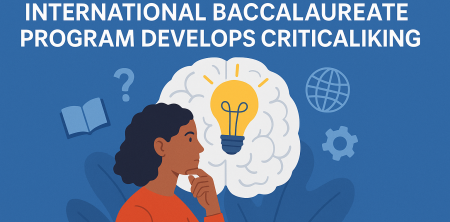
The International Baccalaureate (IB) program has carved a niche in the educational landscape since its inception in 1968. Designed to provide a rigorous and holistic education, the IB program is recognized for its focus on developing students who are not just academically proficient but also well-rounded individuals. One of the key pillars of the program is its emphasis on critical thinking, which is essential for success in an increasingly complex world.
Understanding Critical Thinking
Before diving into how the IB program fosters critical thinking, it’s important to define what critical thinking actually is. Essentially, critical thinking involves the ability to analyze information, evaluate evidence, and construct reasoned arguments. This skill set enables students to tackle problems and make decisions based on logical reasoning rather than emotional responses. In the context of education, critical thinking equips learners to question assumptions, synthesize information from various sources, and apply knowledge in real-world situations.
The IB Framework and Its Approach to Learning
The IB offers three educational programs tailored to different age groups: the Primary Years Programme (PYP), the Middle Years Programme (MYP), and the Diploma Programme (DP). Each program builds upon the other, creating a continuum that reinforces critical thinking skills throughout a student’s educational journey. At the heart of this framework is an inquiry-based approach that encourages students to ask questions, investigate topics in depth, and engage in discussions.
For instance, in the DP, students are required to undertake an Extended Essay, which is a self-directed piece of research that requires a high degree of critical thinking. This project not only deepens their understanding of a specific subject but also teaches them how to formulate research questions, evaluate sources, and draw conclusions based on evidence.
Interdisciplinary Learning
Another standout feature of the IB program is its emphasis on interdisciplinary learning. By integrating subjects and encouraging connections between different areas of study, the IB fosters a holistic understanding of knowledge. For example, a student might explore the topic of climate change by examining its scientific, economic, and sociopolitical dimensions across Biology, Economics, and Geography.
This interdisciplinary approach not only broadens a student’s perspective but also enhances their critical thinking abilities. It challenges them to consider multiple viewpoints, analyze complex issues, and develop well-rounded arguments. Such skills are invaluable not only in academic settings but also in the professional world, where collaboration across disciplines is often required.
The Role of Inquiry-Based Learning
Inquiry-based learning is a cornerstone of the IB educational philosophy. Rather than simply absorbing information, students are encouraged to engage actively with the material, ask probing questions, and seek out answers. This method fosters a sense of ownership over their learning and enhances their critical thinking skills.
Teachers play a vital role in this process, guiding students through open-ended questions and discussions that challenge them to think critically. For example, a teacher might ask students to analyze a historical event from multiple perspectives, prompting them to consider the motivations and consequences from various viewpoints. This approach not only deepens understanding of the subject matter but also empowers students to develop their own informed opinions.
Assessment and Reflection
Assessment in the IB program goes beyond traditional testing methods. In addition to exams, the IB incorporates formative assessments that encourage self-reflection and peer evaluation. This encourages students to think critically about their work, understand their strengths and weaknesses, and set goals for improvement.
For instance, the Theory of Knowledge (TOK) course, which is a mandatory component of the DP, challenges students to reflect on the nature of knowledge itself. Through discussions and essays, students explore how different ways of knowing—such as perception, reason, emotion, and language—can shape their understanding of the world. This deep level of reflection is crucial for developing critical thinking skills, as it requires students to question not only what they know but also how they know it. (See: Critical thinking - Wikipedia.)
Global Perspectives and Cultural Awareness
The IB program is truly international in scope, with schools offering the program in over 150 countries. This global perspective is woven into the curriculum and encourages students to consider cultural differences and global challenges. By engaging with diverse viewpoints, students develop empathy and the ability to think critically about their own beliefs and assumptions.
For example, students might participate in a collaborative project with peers from schools in different countries, addressing a global issue like sustainable development or social justice. Such experiences not only enhance critical thinking skills but also prepare students to be responsible global citizens who can navigate the complexities of an interconnected world.
Service Learning and Its Impact on Critical Thinking
Service learning is another integral aspect of the IB program, allowing students to apply their knowledge and skills in real-world contexts. Through community service projects, students are encouraged to identify local issues and develop actionable solutions. This experiential learning fosters critical thinking as students assess the impact of their initiatives and reflect on the outcomes.
For instance, a student might engage in a project addressing food insecurity in their community. They would need to research the causes, collaborate with local organizations, and evaluate the effectiveness of their interventions. This hands-on experience not only reinforces critical thinking but also instills a sense of social responsibility.
Preparation for Higher Education and Careers
The skills developed through the IB program, particularly critical thinking, are highly valued by universities and employers alike. Research has shown that students who complete the IB program tend to perform better in higher education settings due to their ability to think critically and independently.
For example, a study conducted by the University of California found that IB students had higher GPAs in college compared to non-IB peers. This success can be attributed to the critical thinking skills honed during their time in the program, which prepares them to tackle complex assignments, engage in meaningful discussions, and approach challenges with confidence.
Current Relevance of Critical Thinking in Education
In today’s world, where information is abundant and misinformation is rampant, the ability to think critically is more important than ever. The IB program's focus on critical thinking equips students to navigate the complexities of modern society effectively. Beyond academic success, the skills gained through the program prepare students to engage thoughtfully in civic life, addressing issues such as climate change, inequality, and political polarization.
As society continues to evolve, the demand for critical thinkers will only increase. The IB program’s commitment to fostering these skills ensures that students are not only prepared for the challenges of today but also for the uncertainties of tomorrow.
Conclusion: The Lifelong Benefits of Critical Thinking
The International Baccalaureate program offers a comprehensive framework that develops critical thinking skills essential for academic and personal success. By emphasizing inquiry-based learning, interdisciplinary studies, and global perspectives, the IB fosters a generation of thinkers who are equipped to tackle the challenges of an ever-changing world. As students embark on their educational journeys, the critical thinking skills they acquire through the IB program will serve as a foundation for lifelong learning and engagement.
The Importance of Critical Thinking Beyond the IB Program
While the IB program is specifically designed to enhance critical thinking, the importance of these skills extends far beyond the classroom setting. In an age where information is constantly at our fingertips, being able to discern fact from fiction is crucial for every individual. Critical thinking enables us to evaluate news sources, understand different perspectives on global issues, and engage in meaningful discussions about societal challenges.
For instance, when examining a controversial topic like climate change, critical thinking allows individuals to analyze data from scientific studies, consider the economic implications of various policy choices, and evaluate the ethical dimensions of environmental stewardship. This multifaceted approach not only leads to a more informed public but also fosters a culture of open dialogue and collaboration.
Statistics Supporting Critical Thinking Skills Development
According to a report from the Association of American Colleges and Universities, 93% of employers believe that critical thinking is more important than a candidate's undergraduate major. This statistic highlights the demand for critical thinking skills in the workforce, reinforcing the idea that the competencies developed during the IB program are invaluable in preparing students for their future careers. (See: Critical Thinking in Education - CDC.)
Additionally, a study published in the journal Research in Higher Education found that students who engaged in critical thinking activities performed better academically than their peers who did not. This correlation demonstrates that fostering such skills can lead to improved academic performance across various disciplines, solidifying the argument for their inclusion in educational frameworks.
Expert Perspectives on Critical Thinking in Education
Educational experts unanimously agree on the necessity of critical thinking in the modern curriculum. Dr. Linda Elder, a prominent educator and co-founder of the Foundation for Critical Thinking, emphasizes that critical thinking is not merely a skill but a way of approaching life. "It's about being able to think deeply, evaluate the evidence, and make informed decisions," she says. Her perspective aligns with the IB program's goals, making it clear that critical thinking is essential not just in school, but for lifelong learning.
Furthermore, Dr. Richard Paul, another renowned figure in critical thinking education, argues that fostering these skills can lead to a more thoughtful and engaged citizenry. He states, "If we want to create a society that values reason and logic, we must start with our educational systems." His insights further reinforce the vital role of programs like the IB in cultivating critical thinkers.
Frequently Asked Questions About Critical Thinking in the IB Program
What specific critical thinking skills are emphasized in the IB curriculum?
The IB curriculum emphasizes several critical thinking skills, including analysis, evaluation, interpretation, and synthesis. Students learn to question assumptions, analyze arguments, and reflect on their reasoning processes, preparing them for complex decision-making in academic and real-world contexts.
How does the Extended Essay foster critical thinking?
The Extended Essay requires students to undertake independent research on a topic of their choice. This process involves formulating a research question, gathering and analyzing data, and drawing conclusions based on evidence. By engaging with this rigorous academic task, students develop their critical thinking capacity in a practical and meaningful way.
Can critical thinking be taught effectively at a young age?
Yes, critical thinking can be effectively taught at any age. The IB Primary Years Programme (PYP) introduces inquiry-based learning early on, encouraging young students to ask questions and explore topics in depth. This foundational approach sets the stage for more advanced critical thinking skills as they progress through the IB curriculum.
How do interdisciplinary studies enhance critical thinking?
Interdisciplinary studies allow students to make connections between different subjects, fostering a comprehensive understanding of complex issues. This integrated approach challenges them to think critically about how various disciplines intersect and influences their understanding of real-world problems.
What role does technology play in developing critical thinking skills?
Technology plays a significant role in developing critical thinking skills by providing access to a vast array of information. However, it also requires students to evaluate sources critically and discern credible information from misinformation. The IB program incorporates digital literacy as part of its curriculum, emphasizing the importance of critical thinking in the digital age.
Resources and Support for Developing Critical Thinking
To further enhance critical thinking skills, students and educators can access a wealth of resources. Books such as "Critical Thinking: A Beginner's Guide" by Sharon M. Kaye offer foundational knowledge and practical exercises. Online platforms like Coursera and edX provide courses focused on critical thinking and problem-solving, allowing learners to refine their skills beyond the classroom.
Additionally, IB educators can utilize professional development workshops that focus on inquiry-based teaching methods, helping them to better facilitate critical thinking in their classrooms. Organizations such as the International Society for Technology in Education (ISTE) offer valuable insights and resources for integrating technology and critical thinking. (See: Harvard University - Education Resources.)
Critical Thinking in the Digital Age
In our fast-paced digital world, the ability to think critically has never been more crucial. With the rise of social media and online platforms, students are bombarded with information, making it essential for them to discern credible sources from unreliable ones. The IB program’s emphasis on critical thinking equips students with the tools they need to navigate this landscape effectively.
For example, in the Digital Society unit, students engage with various media formats, analyze biases, and evaluate the credibility of sources. This not only sharpens their critical thinking abilities but also prepares them to engage safely and responsibly in online environments.
Collaboration and Critical Thinking
Collaboration is another key component of the IB program that enhances critical thinking. Group projects and discussions encourage students to articulate their thoughts, listen to others, and integrate differing perspectives into their analyses. This collaborative approach enables students to develop stronger arguments and refine their reasoning skills.
Consider a scenario where a group of students collaborates on a project about renewable energy. They must research various energy sources, discuss the pros and cons, and ultimately present a unified argument. This process requires each student to critically evaluate information, challenge assumptions, and build consensus within the group, which ultimately strengthens their critical thinking skills.
Real-World Applications of Critical Thinking
Critical thinking skills gained through the IB program extend beyond academic success and into real-world applications. Students learn to approach problems systematically, assess potential solutions, and implement effective strategies in various contexts. This ability to think critically is vital in any career, from medicine to engineering, where decision-making can have significant consequences.
For example, IB graduates entering the healthcare field will need to analyze patient data, evaluate treatment options, and make informed decisions. Their refined critical thinking skills prepare them to tackle these challenges with confidence and competence.
Closing Thoughts: Embracing the Critical Thinking Journey
The journey of developing critical thinking skills is a lifelong endeavor that begins in educational settings like the IB program. By fostering a culture of inquiry, reflection, and interdisciplinary learning, the IB not only prepares students for academic success but also cultivates responsible global citizens capable of navigating the complexities of an ever-changing world. As we continue to emphasize critical thinking in education, we empower the next generation to think deeply, act thoughtfully, and contribute meaningfully to society.
```
Trending Now
Frequently Asked Questions
What is the International Baccalaureate program?
The International Baccalaureate (IB) program is an educational framework established in 1968 that offers rigorous and holistic education across three main programs: the Primary Years Programme (PYP), Middle Years Programme (MYP), and Diploma Programme (DP). It aims to develop well-rounded individuals who excel academically and think critically.
How does the IB program promote critical thinking?
The IB program promotes critical thinking through an inquiry-based approach that encourages students to ask questions, investigate topics, and engage in discussions. Each program builds on the previous one, reinforcing critical thinking skills and culminating in projects like the Extended Essay in the Diploma Programme that require deep analysis and evaluation.
What are the benefits of critical thinking in education?
Critical thinking in education helps students analyze information, evaluate evidence, and construct reasoned arguments. It empowers learners to question assumptions, synthesize information from various sources, and make informed decisions, which are essential skills for success in a complex world.
What age groups does the IB program cater to?
The IB program caters to students of different age groups through three distinct programs: the Primary Years Programme (PYP) for ages 3-12, the Middle Years Programme (MYP) for ages 11-16, and the Diploma Programme (DP) for ages 16-19, ensuring a continuous developmental path.
What is the Extended Essay in the IB Diploma Programme?
The Extended Essay is a significant research project in the IB Diploma Programme that requires students to conduct independent research on a topic of their choice. It fosters critical thinking by requiring students to formulate research questions, evaluate sources, and draw conclusions based on their findings.
What did we miss? Let us know in the comments and join the conversation.

