Introduction
In an astonishing display of technological advancement, a humanoid robot was recently spotted chasing wild boars in Warsaw, Poland. This unusual event not only showcases the capabilities of modern robotics but also highlights a transformative approach to wildlife management. As the use of advanced robotic systems continues to expand, this incident serves as a compelling example of how such technologies can be applied in real-world scenarios beyond traditional settings.
The Incident: Humanoid Robot in Action
On April 20, 2026, a humanoid robot was filmed in the bustling city of Warsaw, engaging in an unexpected task: herding wild boars. The footage, which quickly garnered widespread attention, showcased the robot's ability to navigate complex outdoor terrain and respond to the unpredictable movements of the animals.
Why Wild Boars?
Wild boars have become an increasing concern in many urban areas, including Warsaw, where their populations have grown significantly. These animals can cause substantial damage to crops, gardens, and urban landscapes, leading to conflicts with humans. Traditional methods of managing wildlife, such as culling or fencing, have proven to be less effective, prompting the exploration of innovative solutions like robotics.
The Technology Behind the Robot
Developed by a team of engineers and researchers, the humanoid robot is equipped with advanced sensors and artificial intelligence designed to allow it to operate autonomously in dynamic environments. The robot's capabilities include:
- Terrain Navigation: The robot can traverse uneven ground, making it suitable for rural and urban areas alike.
- Real-time Decision Making: With AI-driven algorithms, the robot can quickly assess situations and decide the best course of action.
- Interaction with Wildlife: The robot's design allows it to engage with animals in a non-threatening manner, encouraging them to move without causing harm.
Implications for Wildlife Management
The deployment of humanoid robots in wildlife management raises several important considerations. As urban areas continue to expand into natural habitats, conflicts between humans and wildlife are likely to increase. Here are some potential implications of using robotics in this field:
1. Non-Invasive Solutions
Using robots to manage wild boar populations presents a non-invasive alternative to traditional methods. Instead of lethal measures, robots can guide animals away from populated areas, minimizing human-wildlife conflict.
2. Data Collection
Equipped with sensors and cameras, humanoid robots can also collect valuable data on wildlife behavior and population dynamics. This information can enhance conservation efforts and inform future wildlife management strategies.
3. Cost-Effectiveness
While the initial investment in robotic technology may be high, the long-term savings from reduced property damage and efficient wildlife management could outweigh the costs. Additionally, robots can operate in various conditions without the need for breaks, making them a potentially more efficient solution.
Public Reaction and Media Coverage
The sight of a humanoid robot chasing wild boars has captivated audiences worldwide, leading to significant media coverage. The viral video not only illustrates the practical applications of robotics but also sparks discussions about the future of technology in everyday life.
Social Media Buzz
On platforms like Twitter, Instagram, and TikTok, users have shared their fascination and humor regarding the situation. Memes have emerged, with some users depicting the robot as a futuristic park ranger, while others have humorously compared it to scenes from popular sci-fi movies. This viral interest highlights the public's growing awareness of and curiosity about robotics technology.
Expert Opinions
Experts in robotics and wildlife management have weighed in on the implications of this event. Many see it as a significant step forward in integrating technology with nature conservation efforts. Dr. Anna Kowalski, a leading researcher in robotics, stated, "This incident exemplifies how robotics can play a crucial role in addressing environmental challenges, offering innovative solutions that are both effective and ethical."
Challenges and Considerations
Despite the promise of humanoid robots in wildlife management, several challenges and ethical considerations must be addressed:
1. Technical Limitations
While the technology has advanced significantly, humanoid robots still face limitations in terms of mobility, battery life, and environmental adaptability. Further research and development are necessary to enhance these systems.
2. Ethical Concerns
As with any technological advancement, ethical questions arise. The use of robots to manage wildlife populations must be approached with caution to avoid unintended consequences, such as disrupting natural behaviors or ecosystems.
3. Acceptance by the Public
For robotic solutions to be successful, public acceptance is crucial. Community engagement and education about the benefits and functionalities of these technologies are essential to fostering a positive perception.
Future of Robotics in Wildlife Management
The use of humanoid robots in tasks like wildlife management is just the beginning. As technology continues to evolve, we can expect to see broader applications of robotics in various sectors, including agriculture, conservation, and urban planning.
Expanding Applications
Beyond managing wild boars, humanoid robots could be employed in numerous other wildlife management tasks, such as:
- Monitoring Endangered Species: Utilizing robots to track populations and gather data on endangered species can aid conservation efforts.
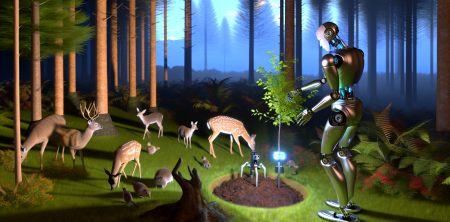
- Restoration Projects: Robots could assist in habitat restoration by planting trees or controlling invasive species.
- Public Education: Robots can serve as interactive tools for educating the public about wildlife and conservation efforts.
Conclusion
The recent sighting of a humanoid robot chasing wild boars in Warsaw is a remarkable example of how robotics technology is beginning to influence wildlife management. As society grapples with the challenges of urbanization and wildlife conservation, integrating advanced robotic systems offers innovative solutions that could reshape our approach to these pressing issues. As we move forward, the continued collaboration between technology and nature will be essential in developing sustainable practices that benefit both humans and wildlife.
References
As this technology continues to evolve, it will be essential to monitor its impact on wildlife and the environment. The integration of robotics into wildlife management is an exciting frontier, and with each advancement, we inch closer to a future where technology and nature coexist harmoniously.

