```html
Understanding Positive Behavior Support in Schools
Positive Behavior Support (PBS) is a framework aimed at creating safe and effective learning environments in schools. Over the past few decades, schools have shifted their focus from punitive measures to proactive strategies that reinforce positive behaviors among students. The primary goal of PBS is to enhance the social, emotional, and academic outcomes for all students, particularly those who struggle with behavioral challenges.
At its core, PBS operates on a foundational belief: behavior is learned, and thus it can be taught and modified. By establishing clear expectations and providing consistent reinforcement, educators can create a school climate that encourages positive behavior. This approach not only benefits the individual student but also contributes to a more conducive learning environment overall.
The Need for Positive Behavior Support
In recent years, the understanding of student behavior has evolved significantly. Historically, many schools relied on discipline practices that could be harsh and often led to student disengagement. However, research has shown that these methods can exacerbate behavioral issues rather than resolve them. According to the U.S. Department of Education, suspensions and expulsions disproportionately affect minority students, further widening the achievement gap.
This alarming trend has prompted educators and policymakers to seek alternatives. Positive Behavior Support in schools presents an effective solution. By focusing on prevention and intervention, PBS helps create a more equitable educational experience, fostering an atmosphere where every student can thrive. Studies indicate that schools implementing PBS frameworks report a decrease in behavioral referrals and improved student engagement.
Key Elements of Positive Behavior Support
Implementing PBS effectively requires a structured approach with several key components:
- Clear Expectations: Schools need to define and communicate behavioral expectations clearly. This can involve creating a set of core values or behaviors that are taught and reinforced across all grade levels.
- Teaching and Reinforcement: Students should be explicitly taught the expected behaviors, with opportunities for practice and role-playing. Positive reinforcement, such as praise and rewards, encourages the continuation of these behaviors.
- Data-Driven Decision Making: Schools should collect and analyze data on student behavior to identify trends and adjust strategies accordingly. This could involve tracking disciplinary actions, attendance, and social-emotional learning outcomes.
- Family and Community Involvement: Engaging families and community members in the PBS process can enhance its effectiveness. This might include workshops, newsletters, or events that educate families on the importance of positive behavior and how they can support these initiatives at home.
Implementing PBS in Elementary Classrooms
The implementation of PBS in elementary school classrooms requires a tailored approach. Teachers play a pivotal role in this process, as they are on the front lines of student interaction. Here are some practical strategies for educators:
Creating a Positive Classroom Environment
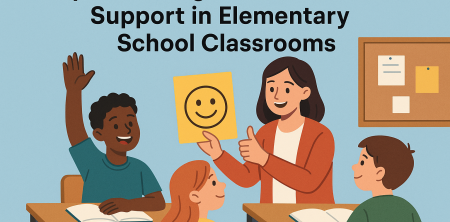
One of the first steps is to establish a positive classroom environment. Decorate the classroom with motivational posters, set up a routine that includes positive affirmations, and create opportunities for students to express their feelings. An inviting space that promotes respect and collaboration can significantly impact student behavior.
Teaching Behavioral Expectations
Instead of assuming that students understand what is expected of them, educators should teach these behaviors explicitly. This may involve developing lessons around key expectations. For example, if one of the core behaviors is "respect," a teacher might conduct a lesson on what respect looks like in various situations—listening when others are speaking, sharing materials, or using polite language.
Consistent Reinforcement
Consistency is essential when it comes to reinforcement. Educators should consistently acknowledge and reward positive behavior. This could be through verbal praise, rewards systems, or classroom privileges. When students know that their efforts are recognized, they are more likely to repeat those behaviors.
Challenges in Implementing PBS
While the benefits of Positive Behavior Support in schools are clear, there are challenges that educators may face during implementation. Resistance from staff, lack of resources, or insufficient training can hinder the PBS process. It's crucial for school administrators to provide adequate support and professional development opportunities for teachers.
Overcoming Staff Resistance
Some staff members may be skeptical about the effectiveness of PBS, especially if they have relied on traditional discipline methods for years. To overcome this resistance, it’s essential to provide evidence-based research that showcases the success of PBS frameworks. Engaging staff in the decision-making process and allowing them to contribute ideas can also foster buy-in.
Resource Allocation
Implementing PBS might require additional resources, such as training materials or professional development workshops. Schools need to evaluate their budgets and find avenues for funding these initiatives, whether through grants, partnerships with local organizations, or reallocating existing resources.
Measuring Success and Adjusting Strategies
Once PBS is implemented, it's crucial to measure its effectiveness continuously. Schools can use a variety of metrics, such as reductions in office referrals, improvements in student attendance, and feedback from students and parents. (See: CDC on behavioral health in schools.)
Data Collection Methods
Data collection methods can include surveys, behavior incident reports, and academic performance tracking. By analyzing this data regularly, schools can identify areas for improvement and adjust their strategies as needed. If a particular behavior continues to be problematic, schools may need to revisit how they are teaching that behavior or examine environmental factors that might be influencing student conduct.
Feedback Loops
Creating feedback loops is also essential. Regular communication among teachers, administrators, and staff about the PBS implementation can help identify successes and areas of concern. This collaborative approach ensures that everyone involved is on the same page and can contribute to refining practices consistently.
Involving Families in PBS Initiatives
Engaging families in the Positive Behavior Support process can greatly enhance its effectiveness. When schools partner with parents and guardians, students receive consistent messages about behavioral expectations both at school and at home.
Family Workshops and Resources
One way to involve families is through workshops and resources that educate them on PBS strategies. Schools can provide materials that explain the behavioral expectations and share tips for supporting these initiatives at home. Holding informational sessions can also create a community around positive behavior support.
Creating a School-wide Culture
When the entire school community, including families, embraces Positive Behavior Support, it creates a shared culture that reinforces positive behaviors. Schools can host community events where families and students can celebrate behavioral successes, fostering a sense of pride and belonging.
Current Relevance and Future Directions
The relevance of Positive Behavior Support in schools is growing, especially in light of the challenges faced in recent years. The COVID-19 pandemic has exacerbated issues of student anxiety and behavioral problems, making PBS frameworks more critical than ever. Educators are increasingly recognizing the need for a supportive approach that prioritizes emotional well-being alongside academic achievement.
Adapting to Remote Learning
As many schools have transitioned to hybrid or remote learning models, educators can still implement Positive Behavior Support strategies. For instance, teachers can create online platforms where students can earn rewards for participating and engaging in virtual lessons. Maintaining communication with families during remote learning is also crucial, as consistent messaging can help students navigate the challenges of learning from home.
Future Implications
In the coming years, as education continues to evolve, the principles of Positive Behavior Support will likely become even more integral to school culture. With a focus on mental health and social-emotional learning, PBS aligns with current educational priorities, ensuring that students receive the support they need to succeed. As more schools adopt these practices, the impact on student outcomes can be profound, leading to improved engagement, academic achievement, and overall well-being.
The Role of Training and Professional Development
To successfully implement Positive Behavior Support in schools, ongoing training and professional development for educators is necessary. This process helps teachers understand the principles of PBS more deeply and equips them with the tools to effectively apply these strategies in their classrooms.
Types of Training Programs
Training programs can vary widely, from short workshops to comprehensive courses that span several weeks. Commonly, these programs cover topics such as:
- Theoretical foundations of PBS
- Positive reinforcement techniques
- Data collection and analysis
- Strategies for involving families and communities
- Addressing resistant behaviors and conflict resolution
By participating in these training sessions, educators can share experiences, discuss challenges, and learn from one another, which can lead to a more cohesive approach to PBS within schools.
Ongoing Support Systems
Beyond initial training, schools should establish ongoing support systems for teachers implementing PBS. This can include mentoring programs, peer observation opportunities, and regular check-ins with administration. These support systems not only enhance the training received but also create a culture of collaboration where educators feel empowered to seek help when needed.
Statistics on Positive Behavior Support Effectiveness
The effectiveness of Positive Behavior Support has been documented in various studies, providing compelling evidence for schools to adopt this framework. Here are a few key statistics:
- A study by the U.S. Department of Education found that schools implementing PBS saw a 30-50% reduction in discipline referrals.
- Schools using PBS reported a 25% increase in student engagement and attendance.
- Research from the Journal of Positive Behavior Interventions indicates that schools with strong PBS frameworks have a 20% higher graduation rate compared to those without.
These statistics highlight the tangible benefits of adopting Positive Behavior Support in educational settings, reinforcing the argument for its widespread implementation. (See: U.S. Department of Education on behavioral supports.)
Expert Perspectives on PBS
Educators, psychologists, and researchers have long advocated for Positive Behavior Support as an essential framework for improving student behavior and overall school culture. Here are some perspectives from experts in the field:
Dr. George Sugai
Dr. Sugai, a prominent researcher in the field of PBS, emphasizes the importance of a multi-tiered system of support within schools. He argues, "Implementing PBS is not just about addressing misbehavior; it’s about creating a comprehensive system that supports all students, particularly those at risk." His work underscores the need for preventative measures and early interventions that target behavioral challenges before they escalate.
Dr. Rob Horner
Co-founder of the PBS movement, Dr. Horner points out that "PBS is about teaching students the skills they need to succeed both academically and socially." He believes that by fostering a positive school culture, schools can reduce the need for punitive disciplinary measures, creating a more nurturing environment for all students.
Examples of Successful PBS Implementation
Real-world examples can illuminate the benefits of Positive Behavior Support in schools. Here are a few notable cases:
Case Study: A Local Elementary School
At Lincoln Elementary School, the implementation of PBS led to remarkable changes in school culture. Initially struggling with high rates of student referrals for disruptive behavior, school administrators decided to adopt the PBS framework. Within a year, the school reported a 40% reduction in referrals. Teachers noted an increase in student cooperation and engagement during lessons, and parental involvement increased as families participated in PBS workshops.
Case Study: A High School Turnaround
West Hill High School faced challenges with student engagement and dropout rates. By embracing PBS, the school focused on creating positive relationships between staff and students. They established mentorship programs where older students supported younger peers and implemented regular community-building activities. As a result, the school saw a significant increase in attendance rates and a 15% decrease in dropout rates over three years.
Frequently Asked Questions About Positive Behavior Support
To help clarify some common questions about Positive Behavior Support, here are answers to frequently asked queries:
What is the primary goal of Positive Behavior Support?
The primary goal of PBS is to create a safe and positive learning environment by teaching and reinforcing appropriate behaviors, ultimately leading to improved social and academic outcomes for students.
How does PBS differ from traditional discipline methods?
Unlike traditional discipline methods that often focus on punishment, PBS emphasizes preventive measures, teaching appropriate behaviors, and providing consistent reinforcement for positive actions. This proactive approach seeks to address the root causes of behavioral issues.
Can PBS be implemented in all types of schools?
Yes, PBS can be adapted to fit various educational settings, including elementary schools, high schools, and special education environments. The principles remain consistent, but the implementation strategies may vary based on the specific needs of the school community.
How can parents get involved in PBS initiatives?
Parents can participate in PBS initiatives by attending workshops, volunteering for school events, and reinforcing the behaviors taught at school in the home environment. Open communication between families and schools is key to ensuring consistency.
What resources are available for schools looking to implement PBS?
Numerous resources exist for schools interested in adopting PBS, including training programs, online courses, and toolkits from organizations such as the National Technical Assistance Center on Positive Behavioral Interventions and Supports.
Benefits of Positive Behavior Support in Schools
Adopting Positive Behavior Support not only enhances behavioral outcomes for students but also fosters a holistic learning environment. Here’s a deeper look at some specific benefits: (See: NIH on behavior treatment strategies.)
Improved Student-Teacher Relationships
With PBS, educators are encouraged to build positive relationships with their students. This focus on connection helps students feel valued and understood, leading to a greater willingness to engage in learning. When students feel comfortable with their teachers, they are more likely to ask for help and embrace feedback, which is crucial for academic success.
Enhanced Academic Performance
Research shows that positive behaviors correlate strongly with academic achievement. When students feel safe and supported, they are more likely to focus on their studies. A supportive environment allows for better concentration and diminishes distractions, resulting in improved test scores and overall academic performance.
Reduction in Bullying
Positive Behavior Support frameworks often include anti-bullying components, promoting respect and empathy among students. This leads to a decline in bullying incidents, creating a safer school climate. When students are taught the importance of kindness and inclusivity, they are more likely to exhibit these behaviors in their interactions with peers.
Social Skills Development
PBS is not just about reducing negative behaviors; it emphasizes the teaching of social skills. Students learn how to navigate social situations, manage conflicts, and develop empathy towards others. This skill set is invaluable as they transition into adulthood and face more complex social dynamics.
Future Directions and Innovations in PBS
As educational practices continue to evolve, Positive Behavior Support will likely incorporate innovative approaches to meet the diverse needs of students. Here are a few trends to watch for:
Integration of Technology
With the rise of technology in education, PBS frameworks may increasingly integrate digital tools for tracking behavior and reinforcing positive actions. Apps and online platforms can provide immediate feedback to students and allow teachers to monitor progress in real-time, enhancing the PBS approach.
Focus on Mental Health
As awareness of mental health issues grows, PBS can expand to include mental health support as a core component. Schools may begin to incorporate mental health resources alongside behavioral interventions, providing a more comprehensive support system for students.
Culturally Responsive Practices
Future implementations of PBS may place a greater emphasis on cultural responsiveness. Recognizing the diverse backgrounds of students is crucial. Tailoring PBS strategies to align with students' cultural contexts can enhance effectiveness and foster a sense of belonging within the school community.
Conclusion: The Transformative Power of PBS
Implementing Positive Behavior Support in schools is not just a trend; it’s a transformative approach to education that recognizes the importance of nurturing positive relationships and behaviors within the classroom. By fostering an environment where students feel safe, respected, and valued, educators can lay the foundation for lifelong success. As more schools embrace this framework, the potential for enhancing student experiences and outcomes is truly exciting.
```
Trending Now
Frequently Asked Questions
What is Positive Behavior Support in schools?
Positive Behavior Support (PBS) is a proactive framework designed to create safe and effective learning environments. It focuses on reinforcing positive behaviors rather than relying on punitive measures, aiming to improve social, emotional, and academic outcomes for all students, especially those with behavioral challenges.
Why is Positive Behavior Support important?
PBS is essential because it addresses the shortcomings of traditional discipline practices that can lead to disengagement and exacerbate behavioral issues. By focusing on prevention and intervention, PBS promotes a more equitable educational experience and improves overall student engagement and behavior.
How does Positive Behavior Support benefit students?
Students benefit from PBS through a structured approach that establishes clear behavioral expectations and consistent reinforcement. This not only helps individual students learn positive behaviors but also fosters a supportive school climate that enhances learning for everyone.
What are the key components of Positive Behavior Support?
Key components of PBS include establishing clear behavioral expectations, providing consistent reinforcement, and implementing prevention and intervention strategies. These elements work together to create a positive school environment conducive to student success.
How can schools implement Positive Behavior Support?
Schools can implement PBS by adopting a structured framework that includes training staff on behavioral expectations, involving families, and regularly assessing the effectiveness of their strategies. This collaborative approach helps ensure that all students receive the support they need to thrive.
Agree or disagree? Drop a comment and tell us what you think.

