```html
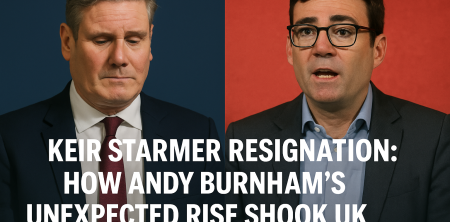
In a stunning turn of events that has sent shockwaves through the political landscape of the United Kingdom, Prime Minister Keir Starmer has announced his resignation, paving the way for a remarkable ascent by Andy Burnham, the Mayor of Greater Manchester. This unexpected political shift has left both political analysts and the public grappling to understand the implications of such a rapid change in leadership. As the news spreads, it’s igniting intense debate across social media platforms and triggering a spike in public interest, as citizens strive to comprehend how this local figure could take charge of the nation.
1. The Announcement That Shocked the Nation:
On July 21, 2026, Keir Starmer made the surprising announcement of his resignation during a press conference, a move that caught many off guard. With Starmer having led the Labour Party and the country since 2020, his departure marks a significant turning point in UK politics. The reasons behind his resignation are still unfolding, but it is suggested that internal party issues and a lack of support within the cabinet may have influenced his decision. Starmer's tenure, while marked by efforts to reposition the Labour Party as a credible alternative to the Conservatives, faced mounting challenges, including public dissatisfaction and a struggling economy.
As Starmer's resignation became public, political commentators immediately began to weigh in on its potential ramifications. Many see this moment as a pivotal crossroads for the Labour Party, which had been attempting to regain its footing after years of electoral struggles. What will happen next for the party that has been under Starmer's stewardship is the question on everyone’s lips.
2. Andy Burnham: The Unexpected Successor:
In the wake of Starmer's resignation, Andy Burnham's name quickly surged to the forefront as a potential successor. The Mayor of Greater Manchester, who has gained a reputation for his hands-on approach to local governance and championing social issues, became the new Prime Minister almost instantaneously. His rise to the highest political office in the UK is indeed extraordinary, considering his background as a local mayor rather than an established member of Parliament.
Burnham's political career has been marked by a number of transformative policies, especially in the realms of health care and social justice. His direct engagement with public concerns—such as the handling of the COVID-19 pandemic and the push for greater funding for local governments—has bolstered his profile as a leader who prioritizes the needs of ordinary citizens. This has undoubtedly resonated with the wider electorate, positioning him as a suitable figure to lead the UK during turbulent times.
3. The Speed of Political Change:
The rapid transition from Keir Starmer to Andy Burnham is remarkable not just for the individuals involved, but for how quickly political fortunes can shift. Political analysts often emphasize that such transitions can lead to both instability and opportunity. The unexpected nature of this leadership change has sparked conversations about how modern political dynamics operate in an age where social media plays a crucial role in shaping public perception.
This swift political maneuvering raises questions about the broader implications for governance in the UK. Will Burnham maintain the trajectory set by Starmer, or will he carve out a distinct path? Will he be able to harness the momentum of his unexpected rise to unify and energize the Labour Party, or will internal divisions continue to pose a challenge? These are vital considerations for observers of UK politics.
4. Public Reaction: A Mixed Bag:
The public reaction to Starmer's resignation and Burnham's ascendance has been varied, reflecting a spectrum of opinions and emotions. Many citizens express a sense of disbelief that a local mayor could rise so quickly to the Prime Minister's office, sparking a fear of missing out on the nuances of this political shift. Social media platforms are abuzz with discussions about Burnham's qualifications for the role, with supporters praising his hands-on approach and critics raising concerns about his inexperience on the national stage.
Moreover, the political discourse surrounding this change is heavily influenced by the context in which it occurs. The UK is currently facing pressing challenges, including economic issues, public health concerns, and questions about national identity and cohesion. As such, people's hopes and fears regarding Burnham's leadership are deeply intertwined with their views on these broader societal issues.
5. Implications for the Labour Party:
With Andy Burnham now leading the Labour Party, many are questioning what this means for the party's future trajectory. Burnham is seen as a figure who can appeal to the grassroots, given his history of advocating for the needs of local communities. This could invigorate Labour's base and attract disenchanted voters who are looking for a leader who genuinely understands their struggles. (See: Keir Starmer's political background.)
However, Burnham’s lack of experience at the national level may also pose challenges. Critics argue that transitioning from a mayor to Prime Minister is a substantial leap that could leave him vulnerable to the pressures of national governance. The Labour Party will need to rally behind Burnham to present a unified front and effectively counter the Conservative Party's narrative in what is likely to be a contentious political landscape moving forward.
6. How Burnham Could Transform UK Governance:
Andy Burnham's leadership could represent a significant shift in UK governance, particularly in terms of prioritizing local issues. His tenure as mayor has been characterized by a focus on social justice, public health, and community engagement, which could translate into a more localized approach to national governance. This might mean greater emphasis on devolving power to local governments and prioritizing the needs of communities over broad policy measures.
Furthermore, Burnham's previous advocacy for policies like the "People's Vote" on Brexit signifies his understanding of the importance of public sentiment in shaping policy. If he remains committed to this participatory approach, it could help bridge the gap between the government and citizens, fostering a sense of investment in political outcomes.
7. The Role of Social Media in Political Transitions:
In an era where social media serves as a primary source of information, the role it plays in political transitions is undeniable. The announcement of Keir Starmer's resignation and subsequent elevation of Andy Burnham has triggered a wave of discussion online. Many citizens are eager to voice their opinions and engage in dialogue about what this means for the future of the UK. Social media platforms provide a space for both support and dissent, reflecting the diverse perspectives of the electorate.
Moreover, the immediacy of social media allows for rapid dissemination of information, but it also raises challenges, such as the potential for misinformation or overly simplistic narratives. As citizens navigate these platforms to understand the implications of Burnham's leadership, media literacy becomes increasingly important. The conversation around governance is evolving, and politicians must learn how to adapt to this new reality.
8. Is This the Start of a New Political Era?:
As the dust settles from the sudden Keir Starmer resignation, political analysts are pondering whether this heralds the start of a new political era in the UK. The emergence of Andy Burnham, a figure with strong local roots and a focus on social issues, suggests that voters may be seeking a different kind of leadership—one that prioritizes community and grassroots concerns over traditional party politics.
This potential shift could lead to a redefinition of the political landscape, as Burnham's leadership style and priorities may resonate with voters disillusioned by conventional political rhetoric. If successful, this could mark a turning point for Labour, allowing it to reclaim its position as a party of the people. However, the risks associated with such a change cannot be understated; Burnham will need to navigate the complexities of national governance while remaining true to his local roots.
9. What Now for Keir Starmer?:
In the wake of his resignation, many are left wondering what’s next for Keir Starmer. Having led the Labour Party through some challenging times, Starmer's legacy may be shaped by how he handles this transition. Will he remain active in politics, or will he choose to step back from the political stage altogether? Observers are keen to see whether he will support his successor, collaborate on party unity, or forge a new path entirely.
Starmer's next moves will be critical not only for his political future but also for the Labour Party's cohesion. If he can leverage his experience to assist Burnham and the party in navigating this transition, it may strengthen Labour's chances in future elections. Alternatively, a prolonged absence or lack of support could exacerbate any existing divisions, complicating Burnham's efforts to unify the party.
10. Potential Challenges for Burnham’s Leadership:
Despite the optimism surrounding Andy Burnham's ascension to Prime Minister, there are several challenges he will face in his new role. One of the most pressing issues is the ongoing economic crisis in the UK. With inflation rates soaring and public services under strain, Burnham will need to quickly establish a viable economic strategy that addresses both immediate concerns and long-term growth. His ability to navigate these economic waters will be critical in maintaining public confidence. (See: BBC coverage of UK political changes.)
Additionally, Burnham must contend with the complex socio-political landscape, which includes views on immigration, national security, and climate change. Each of these areas requires careful consideration and nuanced policy-making, especially as the nation becomes increasingly polarized. Establishing a strong cabinet that represents various factions within the Labour Party will be crucial in presenting a united front to the electorate.
11. Policy Priorities Under Burnham:
As he steps into his new role, many are eager to see what policy priorities Andy Burnham will champion. Given his history as Mayor, his focus is likely to remain on health care, housing, and education. Burnham has long advocated for increased funding for the National Health Service (NHS), arguing that a properly funded health care system is essential for a fair society. He may also push for reforms that tackle the disparity in health outcomes across different regions of the UK.
Housing policy will likely be another area of focus, particularly affordable housing. Burnham has been vocal about the housing crisis in Greater Manchester, and his approach may include significant investments in social housing and regulations to curb rising rents. Education reform, especially concerning access to quality education in disadvantaged areas, could also feature heavily in his agenda.
12. Public Sentiment and Voter Expectations:
The public's sentiment towards Burnham will play a pivotal role in how he governs. He enters the position amidst a wave of hope and skepticism. Many citizens are looking for a leader who reflects their values and understands their struggles. Burnham's personal history of growing up in a working-class family may resonate with voters who have felt overlooked by political elite. However, he must ensure that his actions align with the expectations of the electorate; failure to do so could result in rapid public disillusionment.
Furthermore, as Burnham's policies unfold, public scrutiny will intensify. Social media and traditional media will be watching closely, which could translate to pressure from both supporters and critics. The ability to communicate effectively and transparently about policy decisions will be essential in building and maintaining trust with the public.
13. Comparative Leadership Styles: Burnham vs. Starmer:
To fully appreciate the implications of Burnham’s leadership, it’s useful to compare his style with that of Keir Starmer. While Starmer has often been characterized as cautious and methodical, focusing heavily on policy detail and parliamentary procedure, Burnham’s approach tends to be more personable and relatable. He has a knack for connecting with individuals, often sharing personal anecdotes that highlight his understanding of everyday challenges.
This difference in style could lead to a shift in how the Labour Party connects with its base. If Burnham can effectively harness his interpersonal skills and combine them with strategic policy initiatives, it may help restore faith in Labour and draw in voters who previously turned away from the party.
14. The Future of the Conservative Party:
As Labour shifts leadership, the Conservative Party is likely recalibrating its strategies in anticipation of Burnham’s agenda. Political analysts predict that the Conservatives will attempt to exploit any missteps Burnham makes early in his tenure, especially if economic policies do not yield immediate improvements. The Conservative narrative may swing towards stability and experience, contrasting Burnham’s relatively brief national experience.
How Burnham addresses this impending challenge could define his first months as Prime Minister. He will need to strike a balance between ambitious reforms and pragmatic governance to dispel narratives that could undermine his authority and vision.
15. FAQ: What to Expect after Keir Starmer's Resignation?
- What led to Keir Starmer's resignation? Starmer's resignation reportedly stems from internal party conflicts and a lack of support within his cabinet, compounded by public dissatisfaction and economic challenges.
- Who is Andy Burnham? Andy Burnham is the former Mayor of Greater Manchester, known for his focus on social issues and community engagement.
- What are the implications of Burnham's leadership for the Labour Party? His leadership may rejuvenate the party’s grassroots support while posing challenges due to his lack of national experience.
- How might Burnham address the current economic crisis? Burnham is expected to prioritize economic reform and public services, particularly the NHS, and housing policies.
- Will public sentiment influence Burnham's policies? Yes, public opinion will play a critical role in shaping his governance, and Burnham will need to communicate effectively to maintain trust.
16. What Challenges Lie Ahead for Burnham?
While the future looks promising for Andy Burnham, he will inevitably face a series of challenges. As the UK grapples with a high cost of living, rising energy prices, and concerns surrounding job security, Burnham will need to introduce effective economic policies quickly. For instance, he may need to advocate for a stronger minimum wage or increased support for small businesses to stimulate job growth.
Additionally, managing public services like the NHS will be critical, especially as the system continues to recover from the pandemic's pressures. Burnham's experience in local governance could be pivotal in making decisions that prioritize health care accessibility, but he’ll need to ensure that funding is aligned with demand. The public will be watching closely to see if he can translate his local success to national issues.
17. How Can Burnham Leverage His Background?
Burnham’s background as a local leader can serve as an asset in his new role. His experience can provide insights into how national policies affect local communities, allowing him to maintain a grounded perspective. For example, he may advocate for policies that emphasize local voices in decision-making processes, ensuring that citizens feel heard in national conversations.
Burnham could also initiate community-based programs that encourage citizen engagement and feedback, fostering a sense of ownership among constituents. This grassroots approach not only builds trust but also strengthens the Labour Party’s ties to the community, countering perceptions of political detachment.
18. Burnham’s Vision for Climate Policy
As climate change remains a pressing global issue, Burnham will likely face scrutiny regarding his environmental policies. His leadership could usher in a new focus on sustainable practices and green energy initiatives. Given his history as a mayor who championed local transport and sustainability projects, he may push for ambitious climate policies aimed at reducing emissions and promoting renewable energy sources.
Furthermore, a robust climate agenda can help position Burnham as a forward-thinking leader who prioritizes future generations. This could resonate well with younger voters, who are particularly concerned about climate action. If Burnham can successfully implement policies that focus on sustainability while also addressing economic concerns, he could garner widespread support from both local and national levels.
As the UK embarks on this new chapter of governance under Prime Minister Andy Burnham, the implications of the Keir Starmer resignation will continue to unfold. Citizens and political observers alike will be closely watching how this leadership change shapes the future of the Labour Party and the country as a whole. One thing is certain: the political landscape in the UK is anything but stagnant, and the coming months will be pivotal in defining the next era of governance.
```
Trending Now
Frequently Asked Questions
Why did Keir Starmer resign as Prime Minister?
Keir Starmer announced his resignation on July 21, 2026, citing internal party issues and a lack of support within his cabinet as contributing factors. His leadership faced challenges including public dissatisfaction and a struggling economy, marking a significant turning point in UK politics.
Who is Andy Burnham and why is he important now?
Andy Burnham is the Mayor of Greater Manchester and has emerged as a leading contender to succeed Keir Starmer following the latter's resignation. Known for his hands-on approach, Burnham's rise signifies a potential shift in leadership within the Labour Party during a critical time.
What are the implications of Starmer's resignation for the Labour Party?
Starmer's resignation presents a pivotal moment for the Labour Party, which has struggled in recent years. Political analysts are debating how this change in leadership could affect the party's direction and its efforts to regain public trust and electoral success.
How has the public reacted to Starmer's resignation?
The public reaction to Starmer's resignation has been intense, with widespread debate on social media platforms. Many citizens are seeking to understand the implications of this unexpected political shift and what it means for the future of UK leadership.
What challenges did Keir Starmer face during his leadership?
During his tenure, Keir Starmer faced significant challenges, including public dissatisfaction with the Labour Party's direction, economic struggles, and internal party conflicts. His efforts to reposition the party as a credible alternative to the Conservatives ultimately fell short, leading to his resignation.
What's your take on this? Share your thoughts in the comments below — we read every one.

