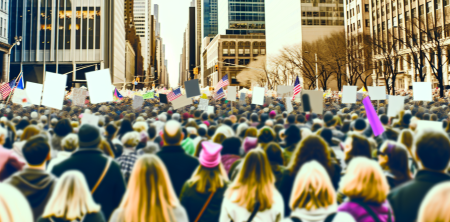
On March 28, 2026, millions of Americans are expected to take to the streets in a massive display of dissent against the Trump administration, marking what organizers are calling the largest No Kings protests to date. With over 3,000 events planned nationwide, this day could potentially become the biggest day of protest in U.S. history, according to The Nation.
Background of the No Kings Movement
The No Kings movement emerged as a grassroots response to perceived authoritarianism and the erosion of democratic norms under the Trump presidency. The first protest took place in 2024, igniting a wave of activism that has grown exponentially over the past two years. The rallies are characterized by their unifying message: a rejection of the idea of a "king" in the form of any leader who undermines democratic principles.
Mobilization Efforts
Organizers have been working tirelessly to mobilize participants for the March 28 protests. Social media platforms have played a crucial role in spreading the word, with hashtags like #NoKings and #March28 trending across various channels. Community leaders, activist groups, and even celebrities have joined the effort to encourage participation, emphasizing the importance of collective action in shaping the future of American democracy.
What to Expect on March 28
The planned protests are set to take place in major cities across the country, including:
- New York City: A large gathering is expected in Central Park, where speakers from various social justice movements will address the crowd.
- Los Angeles: Participants will march down Hollywood Boulevard, culminating in a rally at City Hall.
- Chicago: Activists will assemble in Grant Park, aiming to raise awareness about issues affecting marginalized communities.
- Washington, D.C.: A prominent protest is scheduled near the White House, where demonstrators will demand accountability from the administration.
In addition to speeches and performances, many events will feature educational workshops aimed at empowering attendees to become more active in their communities.
The Stakes of the Protests
The upcoming rallies are not just about dissent; they represent a critical moment for the future of U.S. democracy. As the Trump administration continues to face criticism over its policies and handling of various social issues, activists argue that these protests are necessary to hold leaders accountable and promote a more equitable society.
Issues that are expected to take center stage during the protests include:
- Voting Rights: Advocates are calling for stronger protections to ensure fair access to the ballot box for all citizens.
- Healthcare Access: Many protesters are demanding universal healthcare as a fundamental right.
- Climate Change: Environmental activists will highlight the urgent need for climate action and sustainable policies.
- Social Justice: The protests will serve as a platform to address systemic racism, police brutality, and economic inequality.
Community Response and Support
Local communities have rallied around the No Kings protests, with many organizations providing resources to ensure the safety and success of the events. Legal aid groups are preparing to assist any participants who may face legal challenges during the protests, while medical volunteers are organizing to provide assistance if needed.
Moreover, significant support has come from various labor unions and civil rights organizations, which have pledged to mobilize their members for the day of action. This coalition-building highlights the widespread discontent with the current administration and the desire for comprehensive reforms.
Looking Ahead
As the nation gears up for March 28, the anticipation is palpable. Activists are hopeful that this day will not only be a historic event in terms of turnout but also a turning point in the ongoing struggle for justice and equality in the United States. Many view these protests as an opportunity to reassert the importance of democratic values and to remind leaders that they are accountable to the people.
Whether the March 28 protests will indeed become the largest in U.S. history remains to be seen, but the momentum leading up to the event suggests a significant mobilization of voices ready to demand change. For many, this is not just another protest; it is a pivotal moment in the fight for a more just and equitable society.
In the words of a prominent activist involved in the No Kings movement, "We are not just marching against a single administration; we are marching for the soul of our democracy. It’s time to reclaim our future and ensure that every voice is heard.”

