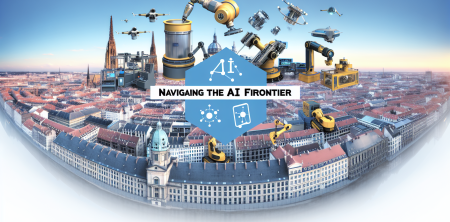
As the world rapidly transitions into an era dominated by artificial intelligence (AI), Europe faces a critical juncture in its industrial landscape. The continent, home to renowned industrial giants like Siemens, is grappling with whether it can maintain its competitive edge against aggressive global players. This exploration delves into the challenges and opportunities that European firms encounter in the evolving AI landscape, highlighting the implications for tech sovereignty and industrial competitiveness.
The Rise of AI: A New Industrial Revolution
The advent of AI is often likened to a new industrial revolution, one that is reshaping entire industries and redefining the parameters of competition. AI technologies are not just tools for automation; they are catalysts for innovation, enabling companies to optimize processes, improve products, and enhance customer experiences. The global race to harness AI's potential is intensifying, with countries like the United States and China leading the charge.
For Europe, the stakes are high. The continent has long been known for its engineering prowess and industrial heritage, yet it finds itself at a crossroads as it attempts to navigate the complexities of AI integration while safeguarding its economic sovereignty.
Challenges Facing European Industrial Leaders
Despite its rich industrial history, Europe faces several formidable challenges that threaten the viability of its industrial champions in the AI era.
1. Competition from Global Giants
European companies are increasingly competing against well-capitalized tech giants from the United States and China. Companies like Google, Microsoft, and Baidu have made significant investments in AI research and development, allowing them to rapidly innovate and scale their AI solutions. This disparity in resources creates a challenging environment for European firms, which often operate under stricter regulatory frameworks and may have less access to venture capital.
2. Regulatory Hurdles
Europe’s commitment to data privacy and ethical AI has led to the establishment of stringent regulations. While these regulations are aimed at protecting consumers and ensuring ethical standards, they can also stifle innovation. The General Data Protection Regulation (GDPR) serves as a prime example, imposing significant compliance costs on businesses and potentially hindering their ability to leverage AI technologies effectively.
3. Skills Gap in the Workforce
As AI technologies advance, there is an increasing demand for highly skilled workers capable of developing and managing these systems. Unfortunately, Europe faces a skills gap in the workforce, with many companies struggling to find qualified talent in fields such as data science, machine learning, and software engineering. This shortage can hinder the ability of European firms to innovate and remain competitive in the AI landscape.
Opportunities for European Industrial Champions
Despite these challenges, there are significant opportunities for European industrial leaders to thrive in the AI era.
1. Leveraging Existing Strengths
European companies like Siemens have a long-standing reputation for engineering excellence and innovation. By leveraging their existing strengths in manufacturing, automation, and engineering, these firms can integrate AI technologies to enhance efficiency and productivity. For example, Siemens has been at the forefront of digitalization in manufacturing, utilizing AI to optimize supply chains and improve operational performance.
2. Collaboration and Partnerships
Collaboration is essential for European firms looking to enhance their AI capabilities. By forming strategic partnerships with universities, research institutions, and other industry players, companies can pool resources, share knowledge, and accelerate innovation. Initiatives such as the European AI Alliance aim to foster collaboration among stakeholders to drive AI development and integration across the continent.
3. Focus on Ethical AI Development
Europe has the opportunity to position itself as a leader in ethical AI development. By prioritizing transparency, accountability, and fairness in AI systems, European companies can build trust with consumers and stakeholders. This approach not only aligns with European values but also differentiates European firms in a crowded market, appealing to consumers who prioritize ethical considerations in their purchasing decisions.
Case Study: Siemens in the AI Era
Siemens, a pillar of European industry, offers a compelling case study in navigating the challenges and opportunities presented by AI. The company has made significant strides in integrating AI into its operations, focusing on enhancing productivity and creating innovative solutions for its customers.
1. Digital Transformation Initiatives
Siemens has embraced digital transformation as a key strategy to remain competitive in the AI era. The company has invested heavily in technologies such as the Internet of Things (IoT) and AI to create smart factories that optimize production processes. By utilizing AI algorithms to analyze data from sensors and machines, Siemens can predict equipment failures, reduce downtime, and improve overall efficiency.
2. AI-Driven Solutions
In addition to enhancing its internal operations, Siemens has developed AI-driven solutions for its customers. For instance, the company offers AI-powered predictive maintenance tools that help industrial clients monitor equipment health in real-time. This proactive approach not only minimizes disruptions but also reduces maintenance costs, providing a competitive advantage to Siemens and its clients.
3. Commitment to Sustainability
Another area where Siemens is leveraging AI is in the pursuit of sustainability. The company is actively working on solutions that reduce energy consumption and minimize environmental impact. By integrating AI into energy management systems, Siemens can optimize energy usage in manufacturing processes, contributing to a greener future.
The Path Forward for Europe
As Europe navigates the challenges of the AI era, the path forward must focus on fostering innovation, collaboration, and a commitment to ethical standards. To ensure the continent retains its industrial champions, several key strategies must be pursued.
1. Investment in Research and Development
European governments and private sector leaders must prioritize investment in research and development to drive AI innovation. Increased funding for AI research, both in academia and industry, will help cultivate new technologies and applications that can enhance competitiveness.
2. Education and Workforce Development
Addressing the skills gap is crucial for Europe’s industrial future. Educational institutions must adapt their curricula to include AI-related courses, while companies should invest in training and reskilling their existing workforce. Partnerships between industry and academia can facilitate knowledge transfer and ensure that graduates are equipped with the skills needed in the AI economy.
3. Strengthening the European Tech Ecosystem
Creating a robust tech ecosystem is essential for fostering innovation and attracting talent. This includes supporting startups, providing access to funding, and creating networking opportunities for entrepreneurs. By nurturing a vibrant tech landscape, Europe can enhance its global competitiveness and retain its industrial champions.
Conclusion: A Critical Juncture for Europe
As Europe stands at a critical juncture in its industrial evolution, the decisions made today will shape the continent's technological landscape for years to come. The challenges posed by the rapid advancement of AI are significant, yet they also present opportunities for European firms to innovate, collaborate, and lead in ethical AI development.
By embracing change, investing in talent, and fostering a collaborative environment, Europe can retain its industrial champions like Siemens and carve out a competitive position in the global AI arena. The future of European industry is not only at stake; it is an opportunity to redefine what it means to be a leader in the age of AI.

