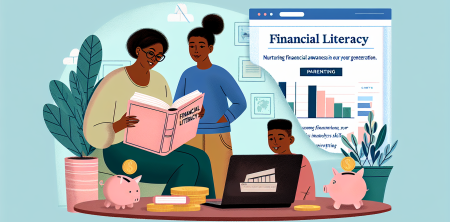
Understanding the Importance of Financial Education
In an ever-evolving world, financial literacy has become a crucial skill for children to develop. As parents, instilling good money habits in our children is fundamental to their future success and independence. However, many parents unintentionally make financial mistakes that could hinder their children's understanding and relationship with money. Recognizing these common pitfalls can empower parents to foster a healthier financial mindset in their kids.
Common Money Mistakes Parents Make
Every parent wants the best for their children, but certain approaches to financial education can lead to unintended consequences. Below are some prevalent mistakes that many parents make:
1. Buying Instead of Teaching Value
One of the most significant mistakes parents often make is buying things for their children without explaining the value of money. When children receive items without understanding the financial effort behind them, they may grow up with a distorted perception of money.
- Solution: Engage in discussions about the cost of items, and involve children in the budgeting process. Teach them how to differentiate between needs and wants.
2. Discussing Money in Frustration
Conversations about money can often evoke stress and frustration, particularly when finances are tight. Parents may find themselves projecting these feelings onto their children, leading to anxiety around financial discussions.
- Solution: Frame money discussions in a neutral tone. Remind yourself that financial conversations should be constructive and informative, not laden with anxiety.
3. Using Money as a Reward or Punishment
When parents use money as a tool for behavioral control, it can create an unhealthy relationship with finances. For instance, rewarding good behavior with cash or punishing poor behavior by withholding money may lead children to associate money with emotions rather than as a practical tool.
- Solution: Instead of using money as a reward or punishment, consider non-financial incentives. Encourage positive behavior through praise or privileges rather than cash.
4. Overprotecting Children from Financial Mistakes
In an effort to shield their children from the consequences of financial missteps, many parents may overprotect them. This can prevent children from learning valuable lessons about money management.
- Solution: Allow children to make small, manageable financial mistakes. This experiential learning can build resilience and teach them how to recover from financial setbacks.
5. Ignoring Money Conversations Entirely
Some parents may feel uncomfortable discussing finances, leading to a complete lack of conversation about money. This can result in children growing up without any understanding of financial responsibilities.
- Solution: Make financial discussions a regular part of family life. Incorporate money talks into everyday activities to normalize these conversations.
Practical Advice for Teaching Financial Literacy
To avoid passing on these common money mistakes, parents can adopt practical strategies that foster a healthy understanding of finances in their children. Here are some effective methods:
1. Pause to Explain Choices
When making a purchase, take a moment to pause and explain your choices to your children. Discuss why you are buying a specific item and how it fits into your budget. This helps children understand the thought process behind spending decisions.
2. Frame Money Neutrally
Instead of discussing money in a way that creates anxiety, frame it as a neutral topic. Use everyday situations to discuss the importance of budgeting and saving, emphasizing that money is a tool rather than a source of stress.
3. Involve Children in Budgeting Tasks
Involve your children in budgeting activities, such as grocery planning or saving for a family vacation. This hands-on experience allows them to see how money is managed in real life, and they can learn valuable skills like prioritizing and decision-making.
4. Encourage Saving and Smart Spending
Teach children the importance of saving by encouraging them to set savings goals. Whether it’s saving for a toy or a bigger purchase, having a goal can motivate children to prioritize their spending and understand the value of delayed gratification.
5. Create a Family Budget Together
Creating a family budget together can be an excellent way to involve children in financial discussions. Explain how the budget works, what expenses are necessary, and how savings can be incorporated. This gives children insight into the family's financial health.
Gradual Lessons for Long-Term Success
Teaching children about money is not about delivering a single lecture; it’s about embedding financial education into their daily lives. Gradual lessons that are integrated into everyday discussions and activities are key. Here are some additional strategies for ongoing financial education:
1. Use Real-Life Examples
Whenever possible, use real-life situations to discuss money. For example, talk about the money spent on groceries while shopping or discuss the importance of saving when planning a family trip. Real-life examples help children connect abstract financial concepts to tangible experiences.
2. Encourage Questions and Curiosity
Foster an environment where children feel comfortable asking questions about money. Encourage their curiosity, and take the time to answer their inquiries. This not only helps them learn but also strengthens their critical thinking skills.
3. Promote Financial Independence
As children grow older, promote financial independence by encouraging them to manage their own money. Give them a monthly allowance and teach them how to allocate their funds for savings, spending, and charitable giving. This practice builds confidence and responsibility.
Conclusion: The Path to Financial Literacy
By recognizing and addressing common financial mistakes, parents can take proactive steps to instill healthy money habits in their children. Encouraging open discussions about finances, involving children in budgeting, and providing opportunities for real-world learning are essential strategies for nurturing financial literacy. As parents guide their children through the complexities of money management, they equip them with the skills needed for a financially responsible adulthood.
Ultimately, the goal is to create a foundation of understanding and confidence around money that will last a lifetime. By embracing gradual, natural lessons, parents can ensure that their children grow up with a healthy relationship with money, setting them up for success in their personal and professional lives.

