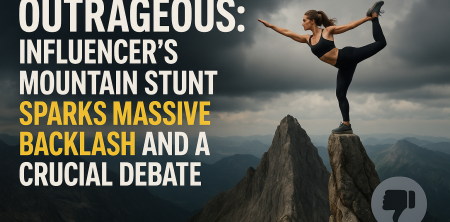
When you scroll through social media these days, it often feels like you're witnessing a constant arms race. Creators are always pushing the boundaries, trying to one-up each other with increasingly elaborate, dangerous, or just plain bizarre stunts. The goal, of course, is virality — that elusive moment when your content explodes across feeds, bringing with it views, engagement, and often, more followers. But what happens when that chase for views goes too far? What happens when the pursuit of internet fame directly clashes with real-world responsibility, causing significant public outrage and a fierce influencer backlash?
That's exactly the question on everyone's minds after a recent incident involving influencer Tom Christopher. He found himself at the center of a social media storm, and not the good kind, after a stunt involving a bathtub, a mountain peak, and a whole lot of environmental disregard. His actions sparked a furious debate about the ethical duties of content creators and the very real ecological consequences of content generated solely for online attention. It's a story that encapsulates many of the growing pains we're seeing in the influencer economy, and it serves as a stark reminder that the digital world has tangible effects on our physical one.
The Stunt That Started It All: A Bathtub on Pen y Fan
Let's set the scene: Pen y Fan, the highest mountain in southern Wales, standing majestically at over 2,900 feet. It's a beacon for hikers, a place of natural beauty, and a cherished landmark for many in the region. Now, imagine lugging a full-sized bathtub, not a lightweight camping tub, but a proper porcelain or acrylic fixture, all the way to its summit. Sounds absurd, right? Well, that's precisely what Tom Christopher did.
His intention, he claimed, was to set some kind of world record. The specifics of the record are a bit hazy, and frankly, less important than the act itself. The image of someone hauling a bathtub up a challenging mountain ascent is undeniably striking, the kind of visual that screams 'viral content.' And for a moment, it probably worked. The effort, the sheer physical undertaking, certainly caught people's attention. But the story took a sharp turn when, after completing his ascent and presumably capturing all the necessary footage for his content, Christopher decided to leave the bathtub right there, on the exposed summit. This wasn't a temporary placement; it was abandonment, plain and simple, and it immediately ignited a massive influencer backlash.
The Immediate Fallout: Public Outcry and Environmental Concerns
You can imagine the scene. Hikers, expecting pristine mountain views, instead encountered a bizarre, out-of-place fixture marring the natural landscape. Pictures quickly began circulating on social media, showing the abandoned bathtub starkly contrasted against the rugged beauty of Pen y Fan. The reaction was swift and overwhelmingly negative. People were furious.
Local hiking groups, conservation organizations, and everyday nature lovers expressed their outrage. Pen y Fan is part of the Brecon Beacons National Park, an area protected for its natural beauty and ecological significance. Leaving a large, non-biodegradable item like a bathtub on its summit isn't just an eyesore; it's an act of environmental disrespect. It poses a hazard, detracts from the experience of others, and sets a terrible precedent. The sentiment was clear: this wasn't an artistic statement or a quirky prank; it was environmental littering disguised as content creation. The sheer volume of negative comments and shared posts demonstrated the power of public opinion in generating a significant influencer backlash.
The Rugby Team to the Rescue: A Viral Act of Community Spirit
In a refreshing turn of events, and a stark contrast to Christopher's actions, a local rugby team stepped up. Members of the Pen y Fan Mountain Rescue Team, along with volunteers from the local community, organized an effort to remove the abandoned bathtub. This wasn't a small feat; getting a heavy, awkward object like a bathtub down a mountain requires significant planning, manpower, and physical exertion. But they did it.
Images and videos of the rugby team's cleanup effort quickly went viral themselves. These posts resonated deeply with the public, not just because they rectified the initial problem, but because they showcased community spirit, environmental responsibility, and a willingness to act where others had failed. It was a powerful counter-narrative to Christopher's self-serving stunt, highlighting the positive impact of collective action and further underscoring the negative perception of the influencer's original actions. Their efforts became a symbol of how communities can rally against environmental negligence, directly addressing the core issue of the influencer backlash.
Christopher's Apology: Too Little, Too Late?
Facing a torrent of criticism and a burgeoning influencer backlash, Tom Christopher eventually issued an apology. He stated that his intention had been to retrieve the bathtub within 48 hours of abandoning it. He acknowledged the public's frustration and conceded that his actions were irresponsible. While an apology is always a step in the right direction, the timing and context raised questions for many observers. (See: Pen y Fan on Wikipedia.)
Why was the bathtub left in the first place if immediate retrieval was the plan? Was it truly an oversight, or was the rapid and widespread condemnation the primary motivator for his eventual statement? For many, the apology felt reactive rather than proactive, a damage control measure rather than a genuine expression of regret for the initial act. In the age of instant communication, the court of public opinion moves swiftly, and often, by the time an apology arrives, the narrative has already been firmly established. This incident highlights the critical importance of foresight and responsibility for content creators, as their actions, even those with 'good intentions,' can quickly spiral into reputational damage.
The Ethics of Content Creation: Where Do We Draw the Line?
This whole episode has reignited a crucial debate: what are the ethical responsibilities of content creators? In the relentless pursuit of engagement, virality, and monetization, where should influencers draw the line? Is it acceptable to prioritize unique content over environmental impact? Is a potential world record worth defacing a national park?
The answer, for most people, is a resounding no. The Pen y Fan incident isn't an isolated case; we've seen countless examples of influencers engaging in risky behavior, trespassing, damaging property, or staging elaborate stunts that cause real-world problems, all for the sake of a few likes and shares. From destroying natural formations for a selfie to blocking traffic for a video, the drive for unique content can often blind creators to the wider implications of their actions. This raises profound questions about the moral compass guiding some corners of the digital content industry, and the severe influencer backlash that follows such missteps.
The Environmental Impact of Online Stunts: More Than Just an Eyesore
Beyond the immediate visual offense, the environmental impact of stunts like Christopher's can be significant. A bathtub, even if eventually removed, leaves a footprint. It involves transport, potential damage to fragile ecosystems during placement and removal, and the sheer disruption of natural processes. What if it had rained heavily, and the tub had filled with water, becoming a breeding ground for insects or a potential drowning hazard for small animals? What if it had broken, scattering plastic or ceramic shards across the mountain?
And it's not just physical objects. The sheer volume of people flocking to 'viral' locations, sometimes encouraged by influencers, can lead to path erosion, increased litter, disturbance of wildlife, and strain on local infrastructure. 'Leave No Trace' principles, fundamental to responsible outdoor recreation, often go out the window when the primary goal is capturing the perfect, attention-grabbing shot. This incident serves as a powerful case study in how the pursuit of online fame can inadvertently, or sometimes quite deliberately, contribute to environmental degradation, leading to widespread influencer backlash.
The Role of Platforms and Brands in Influencer Accountability
This incident also begs the question: what role do social media platforms and the brands that sponsor influencers play in holding creators accountable? While platforms provide the stage, they often claim to be neutral arbiters, leaving content moderation to community guidelines. However, when an influencer's actions cause real-world harm, particularly environmental damage, do platforms have a greater responsibility to step in?
Similarly, brands that partner with influencers often conduct due diligence on their creators' online presence. But should that due diligence extend to their real-world behavior, especially when it comes to stunts that could damage public perception or the environment? A brand associating itself with an influencer who engages in irresponsible behavior risks significant reputational damage. There's a growing call for platforms and brands to implement stricter ethical guidelines and consequences for creators whose actions cross the line, not just in terms of content, but in their real-world conduct. This is a crucial element in mitigating future incidents and the resulting influencer backlash.
Moving Forward: Fostering Responsibility in the Creator Economy
So, where do we go from here? The Pen y Fan bathtub saga is more than just a fleeting viral moment; it's a teachable one. It highlights the urgent need for greater responsibility within the creator economy. For influencers, it's a reminder that their actions have consequences, extending far beyond the digital realm. Authenticity and engagement don't require environmental destruction or public nuisance.
Perhaps it's time for a shift in focus, encouraging creators to find innovative ways to entertain and inform that align with ethical principles and environmental stewardship. The vast majority of creators are responsible, but the actions of a few can taint the entire industry. As consumers of content, we also have a role to play. By actively condemning irresponsible behavior and supporting creators who demonstrate integrity, we can collectively push for a more accountable and sustainable creator ecosystem. The enduring influencer backlash from this incident should serve as a powerful deterrent, encouraging creators to think twice before their next stunt.
The Psychology Behind the Pursuit of Virality
It's easy to dismiss these stunts as mere attention-seeking, but there's a deeper psychological current at play. The algorithms of social media platforms heavily favor novelty and engagement. Content that sparks strong reactions – positive or negative – gets pushed to wider audiences. This creates a feedback loop where creators are incentivized to produce increasingly outlandish content to stay relevant. It's a high-stakes game where the reward for virality can be enormous: lucrative brand deals, increased ad revenue, and a skyrocketing follower count. This isn't just about personal ego; it's a very real economic driver for many influencers. The pressure to constantly innovate and outperform can lead to poor judgment, blurring the lines between creative expression and irresponsible behavior. When you're constantly chasing that dopamine hit of going viral, the long-term consequences can sometimes take a backseat to the immediate gratification of a trending video. (See: CDC on environmental health.)
Legal Repercussions and Precedent
While the Pen y Fan incident primarily sparked public outrage, other influencer mishaps have led to significant legal trouble. Trespassing, property damage, public nuisance, and even endangerment can all carry legal penalties, ranging from fines to jail time. We've seen cases where influencers have faced charges for stunts involving protected natural sites, public infrastructure, or even private property without permission. These legal consequences often amplify the influencer backlash, adding a layer of official condemnation to public disapproval. The legal system isn't always as swift as social media, but its impact can be far more severe and long-lasting, affecting an influencer's ability to travel, secure future partnerships, or even maintain their online presence. This creates a critical intersection where online actions spill over into real-world jurisprudence, making it clear that digital fame doesn't grant immunity from the law.
Case Studies of Influencer Backlash (Beyond Environmental Damage)
The Pen y Fan incident highlights environmental concerns, but influencer backlash takes many forms. Consider these other types of missteps:
- Cultural Appropriation: Influencers who adopt or misuse elements of cultures that are not their own, often without understanding or respect, frequently face intense criticism. This can range from wearing traditional garments as costumes to misrepresenting cultural practices.
- Insensitivity/Tone-Deafness: Posting content that is insensitive to current events, social issues, or marginalized communities can quickly lead to widespread condemnation. This might include trivializing serious topics or making light of situations that warrant empathy.
- Fake or Misleading Content: Fabricating stories, staging elaborate "pranks" that cause genuine distress, or promoting products with false claims can erode trust and provoke a strong backlash from followers who feel deceived.
- Exploitation: Using children, pets, or vulnerable individuals in content without proper consent or for exploitative purposes draws significant ire. Concerns about privacy, safety, and ethical boundaries are paramount here.
- Controversial Political/Social Stances: While influencers have a right to their opinions, taking extreme or widely unpopular stances on sensitive political or social issues can alienate large segments of their audience and lead to boycotts or de-platforming.
Each of these categories demonstrates that the audience's expectation of influencers extends beyond just entertaining content; it includes a baseline of ethical conduct and social awareness. When those expectations are unmet, the backlash can be swift and severe, often impacting both the influencer's career and their mental well-being.
The Evolution of "Cancel Culture" and Influencer Accountability
"Cancel culture" is a term often debated, but its impact on influencers is undeniable. When an influencer faces widespread backlash, it can lead to a significant loss of followers, brand deals, and overall career viability. This isn't just about public shaming; it's about economic consequences. Brands are increasingly sensitive to public sentiment and are quick to distance themselves from creators who become embroiled in controversy. This phenomenon has prompted a more cautious approach from many influencers, encouraging them to consider the broader implications of their content. However, it also raises questions about proportionality and the potential for mob mentality. Finding a balance between holding creators accountable and allowing for genuine mistakes and growth remains a challenge in the rapidly evolving digital landscape. The Pen y Fan incident, while not leading to a full "cancellation," certainly showcased the collective power of social media users to demand accountability and effect change.
Expert Perspectives: Brand Strategists and Environmentalists Weigh In
From a brand strategy perspective, incidents like Tom Christopher's are a nightmare. "Brands invest heavily in aligning with influencers whose values resonate with their target audience," explains Dr. Anya Sharma, a digital marketing consultant. "When an influencer demonstrates such a clear disregard for environmental responsibility, it doesn't just reflect poorly on them; it can significantly damage the brand's reputation by association. The cost of PR recovery far outweighs the initial marketing spend." She emphasizes the need for brands to have robust vetting processes and clear contractual clauses regarding ethical conduct.
Environmental groups echo this sentiment. "Our national parks are not props for social media stunts," states Rhys Jenkins of the Welsh Wildlife Trust. "The 'Leave No Trace' philosophy is critical for preserving these delicate ecosystems. When influencers create content that normalizes littering or disrespect for nature, it undermines years of conservation education. We need to see more influencers using their platforms to advocate for environmental protection, not detract from it." This highlights the dual responsibility influencers hold: not just to avoid harm, but to actively promote positive behaviors.
A Call for Digital Literacy and Critical Consumption
As consumers of content, we also play a crucial role in shaping the creator economy. Developing strong digital literacy skills is paramount. This means not just passively consuming content, but critically evaluating its source, purpose, and potential real-world impact. When we see a viral stunt, we should ask: Was anyone harmed? Was the environment damaged? Is this promoting responsible behavior? By actively engaging with content through a critical lens, and by choosing to support creators who embody ethical values, we can collectively steer the industry towards a more responsible future. Our likes, shares, and comments are powerful tools that can either amplify irresponsible behavior or champion integrity. The collective influencer backlash against Tom Christopher demonstrates this power in action.
Ultimately, the story of the Pen y Fan bathtub isn't just about one influencer's mistake. It's a microcosm of a larger struggle to balance the allure of online fame with real-world impact. It's a call for creators to understand that while virality might be fleeting, the mark they leave on the environment, and on public perception, can last much longer. Let's hope that lessons are learned, and that the beautiful peaks of our world remain free from abandoned bathtubs, or any other detritus of the constant quest for clicks.
Frequently Asked Questions About Influencer Backlash and Ethics
What exactly is "influencer backlash"?
Influencer backlash refers to a strong, negative public reaction that an influencer receives due to their actions, statements, or content. This reaction usually manifests across social media platforms through comments, shared posts, memes, and calls for accountability, often leading to a loss of followers, brand deals, and reputational damage. (See: Nature article on social media influence.)
What are the common causes of influencer backlash?
Backlash can stem from various issues, including environmental disrespect (like the Pen y Fan incident), cultural appropriation, insensitivity to social issues, misleading or fake content, exploitation of others, controversial political stances, and engaging in dangerous or illegal stunts.
How does influencer backlash impact an influencer's career?
The impact can be severe. It often leads to a significant drop in follower count, termination of existing brand partnerships, difficulty securing new sponsorships, negative media attention, and a tarnished reputation that can be hard to recover from. In some cases, it can even result in legal consequences or platform bans.
What role do social media platforms play in addressing influencer misconduct?
Platforms generally have community guidelines that prohibit certain types of content or behavior. While they often react to widespread public reporting, their active intervention varies. Some platforms might issue warnings, temporarily suspend accounts, or in severe cases, permanently ban creators. There's ongoing debate about whether platforms should take a more proactive role in enforcing ethical behavior, especially when real-world harm is involved.
How can brands protect themselves when working with influencers?
Brands should implement thorough due diligence processes to vet potential influencers, checking their past content and public behavior. Contracts should include clear clauses about ethical conduct, environmental responsibility, and consequences for actions that damage the brand's reputation. Establishing a clear code of conduct for sponsored content is also vital.
Is "cancel culture" always fair in the context of influencer backlash?
The fairness of "cancel culture" is a complex and debated topic. While it can serve as a powerful tool for accountability and holding influential figures responsible for harmful actions, critics argue it can also be disproportionate, lead to mob mentality, or fail to allow for genuine learning and growth from mistakes. The speed and intensity of online reactions can sometimes overshadow nuanced discussions.
What can consumers do to encourage responsible influencer behavior?
Consumers can play a significant role by critically evaluating content, supporting creators who demonstrate integrity and ethical practices, and actively calling out irresponsible behavior through comments and reports. Choosing to unfollow or boycott influencers who engage in harmful stunts sends a clear message about what kind of content the audience values.
Trending Now
Frequently Asked Questions
What stunt did influencer Tom Christopher perform?
Tom Christopher carried a full-sized bathtub to the summit of Pen y Fan, the highest mountain in southern Wales. His goal was to set a world record, although the specifics of the record remain unclear. This outrageous act sparked significant backlash and raised questions about the responsibilities of influencers.
Why did Tom Christopher face backlash for his stunt?
Tom Christopher faced backlash due to the environmental disregard displayed in his stunt. Carrying a heavy bathtub to a mountain peak not only posed safety risks but also raised concerns about the ecological impact of such attention-seeking behavior in the influencer economy.
What are the ethical responsibilities of influencers?
Influencers are expected to consider the real-world consequences of their actions, especially when their content can harm the environment or public safety. The backlash against Tom Christopher's stunt highlights the need for creators to balance their pursuit of virality with ethical considerations.
What impact does social media have on influencer behavior?
Social media creates a competitive environment where influencers feel pressured to push boundaries with increasingly outrageous stunts for virality. This often leads to dangerous or irresponsible actions, as seen in the case of Tom Christopher, raising questions about the consequences of online fame.
How does the influencer economy affect environmental awareness?
The influencer economy can sometimes promote short-sighted decisions that overlook environmental responsibility. As influencers chase views and engagement, their actions, like Tom Christopher's bathtub stunt, can have tangible negative effects on nature, sparking public outrage and debate about their role in ecological awareness.
Agree or disagree? Drop a comment and tell us what you think.

