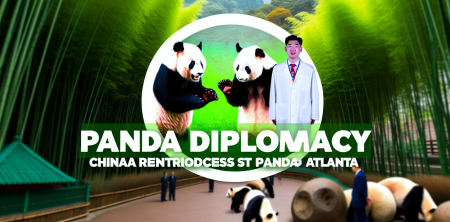
In a significant move that intertwines wildlife conservation with international relations, China has announced its decision to send two giant pandas to Zoo Atlanta. This announcement was made on April 24, 2026, by the China Wildlife Conservation Association, as part of its ongoing panda diplomacy strategy amidst heightened tensions between the United States and China.
The Significance of Panda Diplomacy
Panda diplomacy refers to the practice of using giant pandas as diplomatic gifts or loans to enhance bilateral relations. Historically, pandas have served as symbols of peace and friendship, cultivating goodwill between nations. The reintroduction of these beloved creatures to Atlanta comes at a time when U.S.-China relations are under scrutiny, particularly with the anticipated visit of former President Donald Trump to Beijing.
A Brief History of Pandas in Atlanta
Zoo Atlanta has a long history of housing giant pandas, dating back to the early 1990s. The zoo first welcomed its panda pair, Liang and Lun Lun, in 1999, attracting thousands of visitors and fostering a deep appreciation for wildlife conservation. Over the years, the zoo has participated in various panda loan agreements, which have helped to fund conservation efforts both in the U.S. and in China.
The previous loan agreements have not only strengthened ties between the two nations but have also provided valuable opportunities for research and education about giant pandas, which are classified as vulnerable by the International Union for Conservation of Nature (IUCN).
The New Arrival: What to Expect
The two giant pandas scheduled to arrive in Atlanta will likely be part of a broader initiative to promote conservation awareness and foster public engagement. Their presence at Zoo Atlanta is expected to draw significant attention, leading to increased visitor numbers and heightened interest in wildlife conservation programs.
Conservation Goals and Challenges
As part of the loan agreement, Zoo Atlanta is expected to contribute to research on panda breeding and habitat conservation. The giant panda population has faced numerous challenges, including habitat loss and low birth rates. By studying these animals in a controlled environment, conservationists hope to develop strategies that can be applied in the wild.
- Habitat Preservation: Efforts to protect the natural habitats of giant pandas are critical to their survival. Deforestation and agricultural expansion pose significant threats.
- Breeding Programs: Captive breeding programs have been essential in raising awareness and increasing the giant panda population, which has seen some success in recent years.
- Public Education: Engaging the public through educational programs can foster a deeper understanding of the challenges faced by giant pandas and encourage support for conservation efforts.
International Relations and Cultural Exchange
The return of pandas to Zoo Atlanta represents more than just an opportunity for wildlife enthusiasts; it also reflects the complex interplay of international relations. As the U.S. and China navigate economic and political tensions, the symbolism of the giant panda remains potent. This gesture can be seen as a thawing of relations and a commitment to collaboration on global issues.
Impact on U.S.-China Relations
The timing of this announcement is particularly noteworthy, coinciding with former President Trump's upcoming visit to China. Such diplomatic gestures can serve to soften the edges of political discourse, signaling a willingness to engage in dialogue and cooperation.
In the past, similar exchanges have led to increased tourism and cultural exchanges. For instance, the presence of pandas in U.S. zoos has often resulted in stronger ties between communities and has encouraged bilateral tourism, as visitors flock to see these enchanting creatures.
The Ongoing Conservation Efforts
Zoo Atlanta has been at the forefront of conservation efforts for giant pandas and other endangered species. The facility not only serves as a home for these animals but also as a research and education center.
Educational Programs at Zoo Atlanta
Zoo Atlanta offers various educational programs aimed at raising awareness about the plight of giant pandas and the importance of biodiversity. These programs include:
- Interactive Exhibits: Visitors can learn about panda habitats, diets, and behaviors through engaging and informative displays.
- Workshops and Lectures: Experts in wildlife conservation often conduct workshops and lectures to educate the public about the challenges facing giant pandas.
- Volunteer Opportunities: Zoo Atlanta encourages community involvement through volunteer programs that allow individuals to contribute to conservation efforts.
Visitor Experience: Meet the Pandas
Once the pandas arrive, Zoo Atlanta will implement various measures to ensure that visitors have a meaningful experience. From special viewing areas to educational talks, the zoo aims to create an environment that fosters appreciation for these magnificent creatures.
What to Look Forward To
Visitors can expect:
- Daily Feeding Sessions: Scheduled feeding times will allow guests to observe the pandas in action as they enjoy their bamboo meals.
- Behind-the-Scenes Tours: Exclusive tours may be available for those interested in learning more about panda care and conservation.
- Merchandise and Memorabilia: The gift shop will likely feature panda-themed merchandise, providing a fun way for visitors to take a piece of their experience home.
Conclusion: A Symbol of Hope and Diplomacy
The decision to send giant pandas to Zoo Atlanta is a testament to the enduring bond between nations and the common goal of wildlife conservation. As we await the arrival of these beloved animals, it is essential to recognize the broader implications of such diplomatic gestures.
Pandas serve as a bridge between cultures, reminding us of the importance of collaboration in addressing global challenges. As Zoo Atlanta prepares for their new residents, the hope is that their presence will inspire future generations to cherish and protect our planet's wildlife.
In the grand tapestry of international relations, the giant panda is not just a cute face; it is a powerful symbol of diplomacy, conservation, and the possibility of peace.

