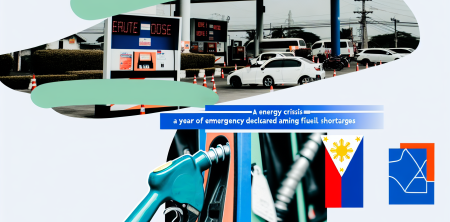
The Philippines has taken a decisive step in the face of escalating fuel shortages by declaring a one-year national energy emergency. This declaration comes as the nation grapples with the impacts of global energy concerns, largely fueled by ongoing tensions in the Middle East and significant disruptions to international supply chains.
Context of the Energy Emergency
The situation in the Philippines mirrors a broader global crisis characterized by fuel shortages and long queues at petrol stations. The declaration was announced by government officials who cited the urgent need to stabilize the energy supply amidst growing uncertainty. Many nations are facing similar challenges, with governments worldwide taking proactive measures to bolster fuel storage in anticipation of prolonged shortages.
Global Energy Landscape
The global energy landscape has shifted dramatically in recent years, with several factors contributing to the current crisis:
- Tensions in the Middle East: Ongoing conflicts and geopolitical instability in oil-producing regions have significantly affected supply chains.
- Disruption of International Supply Chains: The pandemic has exposed vulnerabilities in supply networks, leading to delays and shortages.
- Increased Demand: As economies rebound post-pandemic, demand for fuel has surged, further straining available resources.
Impact on the Philippines
For the Philippines, an archipelago dependent on imported oil, the energy emergency is particularly consequential. The government has expressed concerns about the economic ramifications of sustained fuel shortages, which could lead to increased prices for consumers and disruptions in various sectors, including transportation and agriculture.
Government Response
In response to the emergency declaration, the Philippine government is implementing a series of measures aimed at alleviating the crisis:
- Fuel Storage Initiatives: The government is ramping up efforts to enhance fuel storage capabilities, ensuring that reserves can withstand fluctuations in supply.
- Price Control Measures: Authorities are considering mechanisms to regulate fuel prices to protect consumers from sudden hikes.
- Investment in Renewable Energy: There is a renewed focus on transitioning to renewable energy sources, aiming to reduce the country's reliance on imported fossil fuels.
Public Reaction and Future Outlook
The declaration of a national energy emergency has elicited mixed reactions from the public. Many citizens express concern over the immediate impact on their daily lives, particularly given the already high prices of goods and services. Long queues at petrol stations have become a common sight, as motorists scramble to fill their tanks amidst fears of further shortages.
Looking ahead, experts are urging the Philippine government to develop a comprehensive energy strategy that addresses both short-term and long-term challenges. This strategy should include:
- Investing in Infrastructure: Upgrading transportation and distribution networks to ensure efficient delivery of fuel.
- Enhancing Energy Independence: Exploring local energy sources, such as natural gas and renewable options, to mitigate reliance on imports.
- Public Awareness Campaigns: Educating citizens on energy conservation practices to reduce overall demand.
Conclusion
The energy emergency declared by the Philippines is a significant development in the context of a global energy crisis. As the country grapples with the immediate fallout of fuel shortages, the focus must also shift towards sustainable solutions that ensure energy security for the future. By fostering resilience and adapting to changing global conditions, the Philippines can navigate these turbulent times and emerge stronger in its energy landscape.

