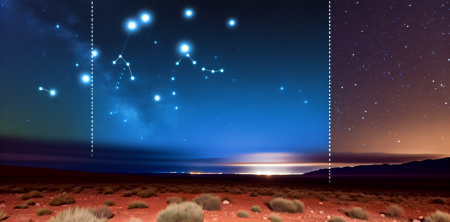
The Atacama Desert in Chile is revered globally for its unparalleled night skies, making it one of the best locations for astronomical observation. This arid region, characterized by its unique climatic conditions, high altitude, and isolation from urban light sources, has enabled scientists and astronomers to gaze deeper into the cosmos than ever before. However, this precious natural resource is under threat from an insidious foe: light pollution.
The Atacama Desert: A Stargazer's Paradise
The Atacama Desert, often hailed as the driest non-polar desert in the world, boasts some of the clearest and darkest skies available for astronomical study. With an elevation of over 2,400 meters (7,874 feet) above sea level and an average annual rainfall of just about 1 millimeter, its atmosphere is remarkably stable. This stability is crucial for astronomers as it minimizes atmospheric interference, allowing telescopes to capture high-resolution images of celestial phenomena.
The desert's remoteness from urban areas further enhances its appeal, creating an environment devoid of artificial lighting that can obscure the brilliance of stars and other astronomical objects. This pristine setting has made it home to some of the world's most advanced astronomical facilities, including the Atacama Large Millimeter/submillimeter Array (ALMA) and the European Southern Observatory's Very Large Telescope (VLT).
Why Light Pollution Matters
Light pollution refers to the excessive or obtrusive artificial light produced by urban areas, industrial activities, and even some rural practices. It not only diminishes the visibility of stars but also disrupts ecosystems, affects wildlife behavior, and poses health risks to humans by interfering with natural circadian rhythms.
In the Atacama Desert, the encroachment of light pollution threatens the very essence of what makes this region a beacon for astronomical research. As urbanization and industrialization continue to expand, the risk of light pollution looms large. The delicate balance that has allowed this desert to maintain its pristine skies is increasingly at risk, prompting urgent calls for protective measures.
Global Importance of the Atacama Desert's Dark Skies
The Atacama Desert is not just a scientific asset for Chile; it is a global treasure. The unique atmospheric conditions allow for groundbreaking research in astrophysics, cosmology, and planetary science. Observatories in this region have contributed to significant discoveries, including insights into the formation of stars, the behavior of galaxies, and the nature of dark matter.
In addition to scientific advancements, the dark skies of the Atacama Desert attract tourists and stargazers from around the world. Astrotourism has become a vital component of the local economy, providing livelihoods for many residents and promoting conservation efforts. The allure of experiencing the Milky Way in its full glory has made the region a hotspot for photography and astronomy enthusiasts alike.
The Rising Threat of Light Pollution
As urban centers near the Atacama Desert grow, the threat of light pollution becomes more pronounced. New industrial projects, residential developments, and infrastructure improvements bring with them an increase in artificial lighting. Even small towns located at the desert's periphery can contribute significantly to the overall light pollution in the area.
Experts warn that the continued growth of these urban and industrial areas could compromise the dark skies that have made the Atacama Desert a leading location for astronomical research. As artificial light spills into the night, the once pristine environment faces irreversible changes, potentially diminishing the quality of astronomical observations and hindering scientific progress.
Calls for Action: Protecting the Atacama's Night Sky
Recognizing the threat of light pollution, astronomers, environmentalists, and local communities have begun advocating for protective measures to safeguard the Atacama Desert's unique night sky. These efforts include:
- Establishing Light Pollution Regulations: Advocates are pushing for stricter regulations on outdoor lighting in areas surrounding the Atacama Desert. This includes guidelines for the intensity, direction, and type of lighting used in urban and industrial settings.
- Public Awareness Campaigns: Educational initiatives aim to raise awareness about the impact of light pollution and the importance of preserving dark skies. These campaigns target both residents and visitors to promote responsible lighting practices.
- Collaboration with Local Authorities: Astronomers and environmental organizations are working closely with local governments to develop sustainable development plans that prioritize the protection of the desert's night sky.
- Encouraging Eco-Tourism: Promoting eco-friendly tourism practices can help bolster the local economy while ensuring that the natural beauty and dark skies of the Atacama Desert are preserved.
Scientific Community's Role in Conservation
Scientists and researchers have a pivotal role in the conservation efforts for the Atacama Desert. By continuing to conduct research in the area, they can provide valuable data on the effects of light pollution and highlight the importance of maintaining dark skies. Moreover, their findings can be instrumental in shaping policies that protect this unique environment.
Furthermore, collaborations between astronomers and environmental scientists can lead to innovative solutions that benefit both research and the local ecosystem. For instance, studies on the impact of light pollution on wildlife can inform regulations that mitigate harmful effects while preserving astronomical observation quality.
Conclusion: A Collective Responsibility
The Atacama Desert stands as a testament to the wonders of our universe, offering a window into the cosmos that is unparalleled. However, this unique environment is at a critical juncture, facing the threat of light pollution as urbanization and industrial development encroach upon its borders.
It is imperative that stakeholders, including the scientific community, local governments, and residents, work together to implement protective measures that preserve the Atacama's dark skies. By prioritizing responsible lighting practices and fostering awareness, we can ensure that future generations will continue to experience the awe-inspiring beauty of the night sky.
As we look to the stars, let us remember that the preservation of these celestial wonders is a shared responsibility, one that requires immediate action and dedicated commitment to safeguarding the natural treasures of our planet.

