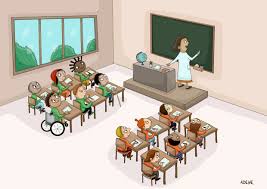
In contemporary educational environments, the thoughtful teachers recognize the profound impact that media representation has on children’s identity development and worldview formation. Increasingly, educators are strategically incorporating diverse kids animated shows into their curriculum to create more inclusive learning spaces that validate all students’ experiences while expanding their understanding of human diversity.
The significance of seeing oneself represented in media cannot be overstated, particularly for children from historically marginalized communities. When students encounter characters who share their racial, cultural, religious, socioeconomic, or ability backgrounds in the animated content their teachers select, they receive powerful affirmation that their experiences matter. This representation counters the harmful invisibility that many children experience in mainstream media and traditional educational materials, fostering healthy identity development and self-esteem.
Educational research consistently demonstrates that children who feel affirmed in their identities demonstrate greater academic engagement, persistence through challenges, and overall school satisfaction. By thoughtfully selecting animated content featuring diverse protagonists and authentic cultural representations, teachers create learning environments where all students feel recognized and valued. This belonging serves as a foundation for academic success, particularly for students from groups that have historically experienced educational marginalization.
Beyond simply seeing themselves, students benefit tremendously from experiencing diverse perspectives through thoughtfully selected animated programming. Quality animated shows increasingly feature characters navigating different cultural contexts, family structures, ability experiences, and identity journeys. These narratives develop critical empathy skills as children emotionally connect with characters whose experiences differ from their own. This empathetic development lays groundwork for respectful cross-cultural communication and community building.
Progressive educators recognize that animated content often succeeds where direct instruction might falter—particularly around sensitive topics related to diversity and inclusion. Through animated characters experiencing discrimination, navigating cultural differences, or advocating for accessibility, students can process complex social issues with emotional distance that supports reflection rather than defensiveness. These narrative approaches create psychologically safe spaces for examining difficult topics like prejudice, privilege, and systemic inequality.
Contemporary animated programming increasingly incorporates nuanced cultural representation developed through authentic collaboration with community members. Shows like “Molly of Denali,” which features Alaska Native characters and was developed with extensive input from Alaska Native advisors, demonstrate how animation can honor cultural specificity while engaging broad audiences. Educators who select such thoughtfully developed content support cultural accuracy and respect in their teaching practice.
Language diversity represents another dimension where quality animated content supports inclusive education. Programs incorporating multiple languages, bilingual characters, and code-switching demonstrate linguistic diversity as an asset rather than a deficit. For multilingual students, seeing characters navigating multiple language contexts validates their own linguistic experiences. For monolingual English speakers, exposure to other languages through engaging animated content builds appreciation for linguistic diversity and may spark interest in language learning.
Disability representation in children’s animation has improved significantly, with more programs featuring characters with visible and invisible disabilities as fully developed individuals rather than inspirational tokens or objects of pity. When teachers incorporate these representations, they normalize disability as part of human diversity while potentially providing important mirrors for students with disabilities. These portrayals help all children develop more accurate and respectful understandings of disability experiences.
Family diversity appears increasingly in quality children’s animation, with programs featuring various family structures including single-parent families, blended families, multigenerational households, adoptive families, and families headed by same-sex parents. By incorporating these diverse family representations, teachers acknowledge and validate the actual family experiences of their students while expanding all children’s understanding of the many ways families form and function.
Gender representation in children’s animation continues evolving, with more programs featuring characters who defy rigid gender stereotypes through their interests, appearance, emotional expression, and aspirations. Forward-thinking teachers recognize the importance of these representations in supporting healthy gender identity development for all children and countering limiting stereotypes that restrict children’s sense of possibility and self-expression.
As education increasingly emphasizes preparing students for global citizenship in diverse societies, the thoughtful incorporation of representative animated content becomes not merely a social-emotional support but an academic imperative. Through carefully selected programming that reflects human diversity in authentic, respectful ways, progressive educators expand their students’ cultural competence while creating learning environments where every child feels valued and included.

