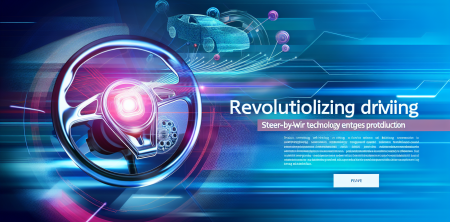
Nexteer Automotive has made headlines in the automotive industry with the announcement of the world's first production passenger vehicle featuring a full steer-by-wire chassis. This groundbreaking innovation was unveiled on April 26, 2026, in Beijing, in collaboration with a prominent Chinese new energy vehicle (NEV) manufacturer. The introduction of steer-by-wire technology signifies a major leap forward in automotive engineering, particularly for NEVs, as it moves away from traditional mechanical linkages that have defined vehicle steering systems for decades.
What is Steer-by-Wire Technology?
Steer-by-wire technology replaces the conventional mechanical linkage between the steering wheel and the wheels with electronic controls. In traditional systems, physical components such as rods and gears transmit the driver's input to the vehicle's wheels. However, steer-by-wire systems utilize sensors, actuators, and motors to directly control the vehicle's steering response.
Advantages of Steer-by-Wire
The benefits of steer-by-wire technology are numerous:
- Improved Control: The elimination of mechanical linkages allows for more precise steering responses, enhancing the overall driving experience.
- Weight Reduction: By removing heavy mechanical components, vehicles can be lighter, which improves efficiency and performance.
- Design Flexibility: Automakers can design interiors without the constraints of traditional steering columns, opening up new possibilities for vehicle layouts.
- Enhanced Safety: Advanced software can integrate safety features, such as automatic corrections for oversteering, providing additional layers of driver assistance.
- Integration with Autonomous Technologies: Steer-by-wire systems are more compatible with autonomous and semi-autonomous driving systems, paving the way for future innovations.
The Collaboration with NEV Manufacturer
Nexteer Automotive's partnership with a leading NEV manufacturer exemplifies the industry's shift towards innovative technologies that prioritize sustainability and efficiency. The collaboration aims to produce vehicles that not only meet the growing demand for electric mobility but also enhance the overall driving experience through advanced steering solutions.
Production Rollout
The production rollout of the first passenger vehicle featuring Nexteer's steer-by-wire technology marks a significant milestone in automotive engineering. This development is particularly crucial as the global automotive sector increasingly focuses on electrification and sustainable practices. The new technology is expected to set a benchmark for future vehicle designs and manufacturing processes.
Industry Implications and Future Outlook
The introduction of steer-by-wire technology is poised to have far-reaching implications for the automotive industry:
- Shift in Manufacturing Processes: As the automotive industry embraces more electronic components, manufacturers will need to adapt their production lines and supply chains.
- Increased Competition: With Nexteer leading the way, other manufacturers may feel pressure to adopt similar technologies to remain competitive in the evolving market.
- Consumer Acceptance: While the technology offers numerous advantages, consumer acceptance will be critical. Drivers will need to be educated on the benefits and reliability of steer-by-wire systems.
- Regulatory Considerations: As with any new technology, regulatory bodies will need to establish guidelines and standards to ensure safety and performance.
Nexteer's Role in the Evolution of Automotive Technology
Nexteer Automotive has long been recognized as a leader in steering and driveline systems. With their commitment to innovation, the company has positioned itself at the forefront of automotive technology. The development of steer-by-wire technology is just one example of how Nexteer continues to push the boundaries of engineering excellence.
Investments in Research and Development
Nexteer's investment in research and development has been instrumental in bringing steer-by-wire technology to fruition. With a focus on integrating cutting-edge technologies and enhancing vehicle performance, Nexteer has developed a robust portfolio of products that cater to the evolving needs of automakers and consumers alike.
Challenges Ahead
While the promise of steer-by-wire technology is exciting, several challenges remain:
- Technical Challenges: Ensuring the reliability and safety of electronic systems is paramount, especially in critical vehicle functions like steering.
- Cost Considerations: The initial costs associated with implementing steer-by-wire technology may be a barrier for some manufacturers, particularly those focused on budget-friendly vehicles.
- Market Readiness: The market's readiness to fully embrace steer-by-wire systems will play a significant role in the technology's adoption.
Conclusion
The launch of the world's first production passenger vehicle featuring Nexteer's steer-by-wire technology is a watershed moment for the automotive industry. This innovative approach to vehicle control not only enhances the driving experience but also aligns with the industry's broader shift towards sustainability and electrification. As Nexteer continues to pave the way for future advancements in automotive engineering, the potential for steer-by-wire technology to revolutionize vehicle design and performance is immense. The collaboration with a leading NEV manufacturer represents a crucial step toward a more efficient and technologically advanced automotive landscape.
As we look to the future, the successful implementation of steer-by-wire technology will likely set a new standard for vehicle development, signaling a transformative era for the automotive industry. The journey is just beginning, and the possibilities are endless.

