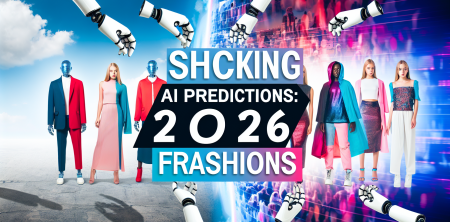
Introduction to the Future of Fashion
The world of fashion is on the brink of a revolutionary shift as we step into 2026. The 2026 fashion trends are not just about fabric, color, or style; they reflect a new era driven by artificial intelligence (AI). This technological advancement is redefining how designers create and how consumers shop. With the launch of the 2026 Runway Trends Index, AI’s influence on forecasting fashion trends has never been more evident. In this article, we will explore how AI is shaping the future of fashion, the insights derived from global runway data, and what this means for designers and consumers alike.
The Shift in Fashion Forecasting
Traditionally, fashion forecasting relied heavily on human intuition and experience. However, the introduction of AI has transformed this landscape. According to the 2026 Runway Trends Index, AI-driven predictions are now showing a remarkable 40% increase in accuracy compared to human forecasters. This revolutionary development comes from AI’s ability to analyze vast amounts of data—from designer influences to global runway shows—at an unprecedented speed.
AI vs. Human Creativity: A Counterintuitive Shift
While one might assume that human creativity would always reign supreme in fashion, the 2026 fashion trends suggest otherwise. The AI models are not just crunching numbers; they are uncovering patterns and preferences that even the most seasoned fashion experts might overlook. This has sparked widespread discussion about the future of creativity in fashion and whether machines might eventually outpace human designers.
Key Insights from the 2026 Runway Trends Index
The 2026 Runway Trends Index provides valuable insights into what we can expect in the upcoming seasons. Here are some key factors influencing these trends:
- Color Palettes: AI forecasts indicate a shift toward bold and vibrant colors, with an emphasis on sustainability. Earth tones and neon shades are predicted to dominate the palettes.
- Silhouettes: Expect to see a resurgence of oversized silhouettes, blended with tailored elements, creating a juxtaposition of comfort and sophistication.
- Materials: Eco-friendly fabrics are taking center stage. Innovations in textile technology mean that materials like recycled polyester and organic cotton are not just trends but necessities.
Understanding Designer Influences
The 2026 fashion trends are not merely data-driven; they are also influenced by the creative direction of leading designers. Major players from fashion capitals such as Paris and Milan are utilizing AI to predict and shape their collections. By analyzing historical data, customer preferences, and even social media trends, designers can craft collections that resonate with the current zeitgeist.
The Impact of AI on E-commerce
AI's impact extends beyond the runway and into the realm of e-commerce. As brands and retailers integrate runway intelligence into their online platforms, the shopping experience is becoming increasingly personalized. Algorithms can now recommend styles based on individual preferences, search history, and even social media activity. This development not only enhances the consumer experience but also allows brands to optimize their inventory and marketing strategies more effectively.
The Role of Social Media in AI Fashion Forecasting
Social media has become a powerful tool for fashion brands. With AI analyzing trends and consumer sentiment in real-time, brands can adjust their strategies to align with what consumers are discussing online. This synergy of AI and social media creates a feedback loop — brands can see immediate responses to collections, allowing them to pivot quickly if needed.
FOMO and the Viral Nature of AI Trends
The fusion of AI and fashion is generating significant hype, creating a fear of missing out (FOMO) among creators and brands. As the 2026 fashion trends gain traction, discussions are spiking on platforms like Instagram and TikTok. Designers who do not adapt to these technological advancements may find themselves left behind in a fast-evolving industry.
Embracing the AI Revolution in Fashion
For many designers and brands, embracing AI is no longer an option; it’s a necessity. The ability to predict consumer behavior and market trends accurately can grant designers a competitive edge. As we move forward, understanding how to leverage AI effectively will separate the innovators from the traditionalists.
The Future is Here: Preparing for the 2026 Fashion Trends
Fashion professionals must prepare for the upcoming changes brought about by AI. Here are some steps to consider:
- Invest in Technology: Brands should consider investing in AI tools that can help them gather insights and forecast trends more accurately.
- Stay Updated: Keep an eye on the latest developments in AI technology and how they are being applied in fashion.
- Collaboration: Teams that include data scientists and fashion experts can bridge the gap between creativity and analytics.
- Focus on Sustainability: As consumers become more environmentally conscious, integrating sustainable practices into design and production will be essential.
Conclusion: The New Era of Fashion
The future of fashion in 2026 is poised to be significantly shaped by artificial intelligence. From trend predictions to sustainable practices, AI is set to transform the industry in ways that were once unimaginable. As we prepare for these upcoming changes, it is crucial for designers, brands, and consumers to embrace the innovation that AI brings.
As the 2026 fashion trends unfold, the integration of technology in fashion is likely to generate conversations, collaborations, and new creative avenues that challenge the status quo. The world of fashion is not just evolving; it is being revolutionized, and those who are willing to adapt will thrive in this new landscape.

