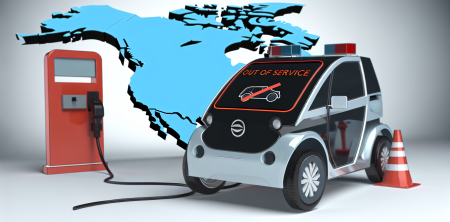
Sony Honda Mobility has officially announced the cancellation of its ambitious Afeela electric vehicle (EV) plans for the North American market. This decision is a significant setback for the joint venture, which sought to enter a highly competitive landscape dominated by established automotive giants and new entrants alike. The move has raised eyebrows within the industry, as it highlights the myriad challenges facing electric vehicle manufacturers today.
The Afeela Vision
The Afeela brand was initially unveiled with great fanfare, showcasing a vision that combined Sony's expertise in technology and entertainment with Honda's engineering prowess. The joint venture aimed to create an EV that not only served as a mode of transportation but also as a connected, digital experience for consumers.
With a focus on advanced features such as driver assistance systems, in-car entertainment, and seamless connectivity, Afeela was poised to appeal to tech-savvy consumers looking for a modern driving experience. The brand's unique proposition was expected to differentiate it from competitors in the crowded EV space.
Reasons Behind the Cancellation
The announcement of the cancellation, which came through a segment featuring Automotive News reporters Larry P. Vellequette and Michael Martinez on March 28, 2026, underscored the various challenges that the Afeela project faced. This abrupt end raises questions about the viability of new entrants in the EV market, particularly in North America.
Market Dynamics
The electric vehicle market is currently experiencing a period of turbulence. While demand for EVs has surged globally, the industry is grappling with supply chain disruptions, rising raw material costs, and increasing competition. Established players such as Tesla, Ford, and General Motors have ramped up their EV production, making it increasingly difficult for new brands to carve out a niche.
Consumer Preferences
Consumer preferences are also evolving. Many buyers are becoming more discerning about the features and capabilities they expect from an EV. The Afeela's ambitious vision may not have aligned with the immediate needs of consumers, who prioritize range, affordability, and availability in their purchasing decisions.
Technological Challenges
Furthermore, the integration of advanced technologies into vehicles poses significant challenges. The collaboration between Sony and Honda involved combining automotive engineering with cutting-edge technology, which is a complex endeavor that requires extensive testing and validation. Any delays or setbacks in technology development could have contributed to the decision to halt the project.
Impact on the Joint Venture
The cancellation of Afeela EVs marks a pivotal moment for Sony Honda Mobility. The joint venture was seen as a strategic alliance that would leverage the strengths of both companies to innovate in the automotive space. However, this decision raises concerns about the future of the partnership and its ability to deliver on its promises.
Industry experts are closely monitoring how both companies will navigate this setback. Sony's entry into the automotive sector was anticipated to transform the landscape, particularly in terms of integrating entertainment and technology into vehicles. The failure of the Afeela project could lead to a reevaluation of their strategy moving forward.
Broader Implications for the EV Market
The cancellation of the Afeela EVs is not just a loss for Sony Honda Mobility but also signifies broader implications for the electric vehicle market as a whole. As the industry continues to evolve, it is essential for new entrants to understand the complexities of consumer expectations, technology integration, and market dynamics.
Many startups and joint ventures are attempting to penetrate the EV market, but the challenges highlighted by Afeela's cancellation may serve as a cautionary tale. The road ahead may require these companies to adopt more agile and realistic strategies, focusing on immediate market needs and sustainable growth.
Looking Ahead
While the Afeela project has been shelved, it remains to be seen how Sony and Honda will proceed. Both companies have strong reputations in their respective fields and may pivot their strategy to focus on other technological advancements or collaborations in the automotive space.
In conclusion, the cancellation of Afeela EVs in North America marks a significant turning point for Sony Honda Mobility. As the electric vehicle landscape continues to shift, manufacturers must adapt to rapidly changing consumer demands and market conditions. The industry will be watching closely to see how this joint venture learns from its experience and what the future holds for both companies in the automotive sector.

