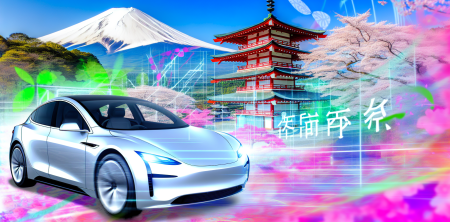
Tesla, the electric vehicle (EV) giant, is setting its sights on becoming the leading imported car brand in Japan by expanding its presence in the country. According to Richi Hashimoto, Tesla's Japan country manager, the company plans to ramp up its operations to at least 60 stores by the end of next year. This ambitious expansion is part of a broader strategy to enhance Tesla's market penetration and brand presence in a country that has shown a modest but growing interest in electric vehicles.
Strategic Expansion Plans
Hashimoto revealed that Tesla's strategy involves not only increasing the number of retail locations but also investing significantly in service centers and comprehensive training programs for employees. This multifaceted approach is designed to ensure that customers receive top-notch service and support, which is essential for fostering brand loyalty and encouraging new buyers to consider EVs as a viable alternative.
The Japanese automotive market has long been dominated by domestic manufacturers, making Tesla's goal to become the top imported brand a challenging yet exciting undertaking. Despite Japan's relatively slow adoption rate of electric vehicles compared to other countries, Tesla's growing infrastructure and marketing efforts aim to change that narrative.
Understanding the Market Dynamics
Japan's automotive landscape has traditionally favored local brands, with consumers often opting for well-established names like Toyota, Honda, and Nissan. However, the global shift towards sustainability and the increasing awareness of climate change have begun to influence consumer preferences.
- Modest EV Adoption: While Japan's electric vehicle market is still developing, it is gradually gaining traction. Government incentives and rising fuel prices have started to encourage consumers to explore electric options.
- Competitive Landscape: Tesla faces stiff competition not only from established Japanese manufacturers but also from other international players entering the market.
- Government Policies: The Japanese government has set ambitious goals for EV adoption, aiming for 100% electrification by 2035, which could further enhance Tesla's growth prospects.
Investments Driving Sales Growth
Tesla's commitment to enhancing its store coverage and service capabilities is beginning to pay off, as evidenced by the company's increasing sales figures in Japan. The investment in training programs has been particularly crucial in ensuring that employees are well-equipped to meet consumer needs. By providing thorough training, Tesla aims to create a knowledgeable workforce that can assist customers effectively, thereby enhancing the overall buying experience.
In addition to physical store expansions, Tesla's marketing strategies and brand positioning are pivotal. The company has cultivated a strong image associated with innovation, sustainability, and cutting-edge technology, which resonates with a segment of the Japanese population increasingly interested in environmentally friendly options.
Challenges Ahead
Despite these positive developments, Tesla's journey in Japan is not without its challenges. The company must navigate several hurdles, including:
- Consumer Awareness: Many Japanese consumers still rely heavily on traditional gasoline vehicles. Tesla needs to educate potential buyers about the benefits of electric vehicles to drive adoption.
- Charging Infrastructure: While Tesla has made significant strides in expanding its Supercharger network globally, the availability of charging stations remains a concern in Japan. Continued investment in charging infrastructure will be necessary to alleviate range anxiety among potential customers.
- Competition: As more automakers pivot towards electric vehicles, Tesla will face increased competition from both domestic and international brands, making market penetration more difficult.
The Road Ahead
With its expansion plans, Tesla is positioning itself to capitalize on the evolving automotive landscape in Japan. The company's strategy focuses on enhancing store coverage, improving service availability, and increasing consumer engagement through education and awareness campaigns. As part of this initiative, Tesla aims to not only increase its market share but also contribute to the broader transition towards sustainable transportation in Japan.
Looking ahead, Tesla's success will depend on its ability to adapt to local market dynamics, overcome challenges, and maintain its reputation as an industry leader in innovation and sustainability. As the company continues to invest in its infrastructure and customer service, it is well-poised to make significant inroads into Japan's automotive market in the coming years.
In conclusion, Tesla's ambitious expansion into Japan represents a significant milestone in its global strategy. By targeting increased market penetration through a robust network of stores and service centers, the company is determined to establish itself as the top imported car brand in a nation that is slowly but surely embracing electric vehicles.

