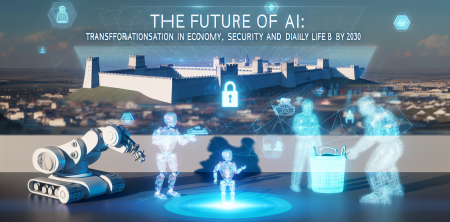
As we move further into the 2020s, the influence of artificial intelligence (AI) on various facets of life is becoming increasingly profound. A recent article by Noah Smith in Asia Times highlights a Forecasting Research Institute study that surveyed experts on anticipated AI capabilities by 2030. The findings reveal a landscape where AI will not only enhance economic growth and productivity but also present new challenges, particularly in areas like cybersecurity.
AI's Economic Impact: A Double-Edged Sword
According to the study, experts predict a range of advancements in AI that will significantly alter economic dynamics. The projections vary from moderate to stunning progress in AI capabilities. By 2030, we could see AI systems capable of writing high-quality novels, managing intricate coding tasks, and even performing household chores through robotic automation.
Incorporating AI into various sectors is expected to spur economic growth, as businesses leverage intelligent systems to streamline operations and improve productivity. However, this rapid integration also raises questions about job displacement. While AI can enhance efficiency and lower costs, it can also render certain job roles obsolete, leading to a potential workforce crisis that policymakers need to address.
Cybersecurity Concerns: The Threat of Shor's Algorithm
One of the most alarming aspects of AI's evolution is its implications for cybersecurity. Smith notes the emergence of Google's Shor's algorithm, which poses a significant threat to current cryptographic standards. This quantum computing breakthrough could potentially render many encryption methods ineffective, leading to widespread vulnerabilities across digital infrastructures.
As AI becomes more adept at understanding and manipulating complex algorithms, the cybersecurity landscape will need to evolve rapidly. Organizations will have to invest in new protective measures and rethink their security protocols to safeguard sensitive information from AI-assisted cyberattacks.
AI in the Workplace: Stagnation Amid Rapid Adoption
Despite the fast-paced integration of AI technologies in business operations, the adoption of generative AI among American workers has shown signs of stagnation. Surveys indicate that while companies are increasingly utilizing AI tools to enhance productivity, individual employees have been slower to embrace these technologies in their daily tasks.
This discrepancy raises important questions about the future of work. If businesses are advancing with AI but workers lag in adopting these new tools, there could be a growing divide between those who can leverage AI effectively and those who cannot. Training and education will play a crucial role in bridging this gap, ensuring that workers are equipped to thrive in an AI-enhanced environment.
Transformations in Daily Life: AI Integration in Households
In the realm of everyday life, AI's potential to automate household tasks is particularly exciting. The idea of robots performing chores such as cleaning, cooking, and even grocery shopping could transform how we manage our homes. Such advancements not only promise to save time but also allow individuals to focus on more meaningful activities.
- Household Robots: Future robots may handle various chores, from vacuuming to meal preparation.
- Smart Home Integration: AI could lead to smarter home systems that optimize energy use and enhance security.
- Personal Assistants: Advanced AI personal assistants could manage schedules, order groceries, and more.
As AI continues to evolve, the integration of these technologies into our daily lives will require careful consideration of ethical implications, privacy concerns, and the potential impact on social interactions.
The Road Ahead: Preparing for an AI-Driven Future
The predictions made by experts regarding AI's trajectory by 2030 underscore the need for proactive measures. Governments, businesses, and educational institutions must collaborate to prepare for the changes that lie ahead. This includes:
- Investing in Education: Updating curricula to include AI literacy and skills training.
- Formulating Policies: Developing regulations that ensure ethical AI use and protect individual privacy.
- Encouraging Research: Supporting research into AI safety and the development of robust cybersecurity measures.
As we look towards 2030, the potential of AI to reshape our world is immense. However, navigating this transformation will require a concerted effort to address the challenges and seize the opportunities that AI presents. By preparing now, we can harness the full potential of AI while mitigating its risks, ensuring a future that benefits all of society.

