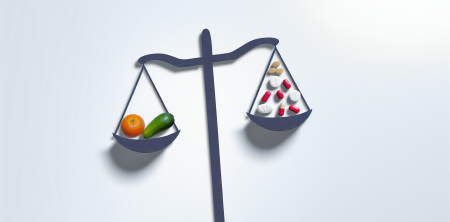
As obesity rates continue to climb globally, weight loss solutions have gained immense popularity, particularly in the form of prescription drugs. A recent study from Vanderbilt University Medical Center, released on April 9, 2026, sheds light on a crucial yet often overlooked aspect of these medications: the potential for unintended muscle loss and other metabolic changes that may pose risks for long-term health.
The Rise of GLP-1 Agonists
Among the most talked-about weight loss drugs are GLP-1 agonists, which mimic the effects of the glucagon-like peptide-1 hormone. These medications have shown impressive results in inducing weight loss, leading many to view them as a miracle solution for obesity. Clinical trials have demonstrated that patients using these drugs can achieve average weight reductions ranging from 10% to 20% of their body weight.
The Unseen Consequences
However, the Vanderbilt study highlights a hidden tradeoff associated with these drugs. While the primary goal of weight loss is often emphasized, researchers note that patients may experience significant, unintended loss of lean body mass—primarily muscle. This loss can lead to several adverse health consequences, including:
- Decreased metabolic rate
- Increased risk of frailty
- Potential for future weight regain
- Negative impacts on overall physical performance
According to the study's findings, the metabolic changes induced by GLP-1 agonists can alter the body’s composition in ways that may not only undermine the benefits of weight loss but also create long-term health issues.
Understanding Lean Body Mass
Lean body mass, which includes muscles, bones, and organs, is essential for maintaining a healthy metabolism. When individuals lose weight, it’s crucial to preserve as much lean mass as possible. Losing muscle can slow down metabolism, making it harder for individuals to maintain weight loss over time. The Vanderbilt study emphasizes that while weight loss might be a desirable outcome, it should not come at the expense of muscle preservation.
Clinical Insights
In the clinical trials referenced by the Vanderbilt research, there were clear weight loss successes, yet the data indicated a worrying trend in muscle loss. This phenomenon raises important questions about the comprehensive effectiveness of these medications:
- Are patients fully aware of these risks?
- What are the long-term implications for individuals relying solely on medication for weight loss?
- How can individuals balance the benefits of these drugs with the necessity of preserving muscle mass?
Creating a Balanced Approach
Given the findings from this study, experts recommend a more holistic approach to weight loss that combines pharmacological treatments with lifestyle changes. This includes:
- Regular Exercise: Incorporating strength training can help preserve and even increase muscle mass.
- Nutrition: A balanced diet rich in protein, healthy fats, and whole grains can support muscle retention while promoting weight loss.
- Behavioral Modifications: Mindful eating practices and behavioral therapies can enhance the effectiveness of both medication and lifestyle changes.
By integrating these elements, individuals can achieve more sustainable weight loss while mitigating the risks associated with muscle loss.
Consulting Healthcare Professionals
Before starting any weight loss medication, it is imperative for individuals to consult with healthcare professionals. This is particularly important for those considering GLP-1 agonists, as a healthcare provider can help tailor a plan that emphasizes both effective weight loss and the preservation of lean body mass. A multidisciplinary approach that includes medical guidance, nutritional counseling, and physical activity is crucial for achieving long-term success.
Conclusion
The popularity of weight loss drugs like GLP-1 agonists is certainly justified given their effectiveness; however, the recent findings from the Vanderbilt University study highlight the need for a balanced approach. As patients navigate their weight loss journeys, it is essential to remain informed about the potential tradeoffs involved in these medications. By prioritizing muscle preservation alongside weight loss, individuals can work towards achieving a healthier body composition and long-term well-being.

