Introduction
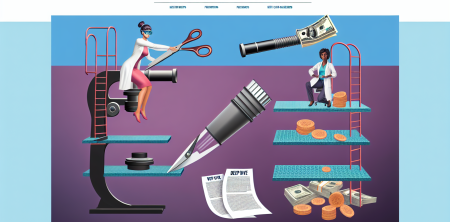
In recent years, the landscape of healthcare research has undergone significant changes, particularly regarding funding allocations. One of the most alarming trends has been the disproportionate impact of budgetary cuts on women's health research. This issue came to light following the Trump administration's fiscal cuts to the National Institutes of Health (NIH), which have led to a dramatic decline in funding for research focused on women's health issues. According to an analysis from The Washington Post, there has been a staggering 31 percent drop in NIH grants that include the term 'women,' with overall grant funding plummeting by more than half in the first quarter of 2026 compared to the previous year.
The Role of the NIH in Health Research
The National Institutes of Health, established in 1887, is one of the foremost medical research institutions in the world. It plays a critical role in funding scientific studies aimed at improving health outcomes across various demographics. NIH funding is crucial for developing new treatments, understanding diseases, and addressing health disparities. With a budget that fluctuates based on political and economic factors, the NIH's capacity to support research initiatives can change dramatically from year to year.
Understanding Women's Health Research
Women's health research encompasses a wide range of issues, including reproductive health, gender-specific diseases, and mental health concerns that disproportionately affect women. Studies in this area not only contribute to healthcare but also address significant social and economic factors that impact women's lives. However, despite its importance, women's health research has historically received less attention and funding compared to other areas of health research.
The Consequences of Funding Cuts
The funding cuts instituted by the Trump administration have raised serious concerns among researchers and healthcare advocates. The NIH's budgetary reductions have led to a significant decrease in grants allocated for women's health research. The implications of these cuts are multifaceted and threaten the progress that has been made over the years.
Statistical Overview of Funding Declines
The statistics paint a concerning picture. In the first quarter of 2026, NIH grants fell by more than 50 percent compared to the previous year, with research projects focusing on women experiencing a 31 percent drop in funding. This decline is not just a number; it represents lost opportunities for innovation, new treatments, and the advancement of knowledge in crucial areas of women's health.
Areas Most Affected
- Reproductive Health: Research into reproductive health, including contraception, pregnancy complications, and menopause, has seen significant reductions in funding.
- Cardiovascular Health: Heart disease is a leading cause of death among women, yet studies addressing this issue have been severely underfunded.
- Mental Health: Mental health disorders such as depression and anxiety often manifest differently in women, yet related research is lacking.
- Cancer Research: Breast and ovarian cancer research funding has also taken a hit, impacting early detection and treatment options.
The Spread of Misinformation
The PBS NewsHour video highlights another critical issue: the spread of misinformation regarding women's health and the implications of reduced research funding. Misinformation can take various forms, from incorrect health advice to misinterpretations of research findings. This spread can have detrimental effects on public health, particularly when women are already facing barriers to receiving appropriate care.
Combating Misinformation
To combat misinformation, it is essential to ensure that accurate and evidence-based information is readily available to the public. This includes clear communication from healthcare providers, researchers, and institutions like the NIH. Public awareness campaigns can also play a vital role in educating individuals about women's health issues and the importance of ongoing research.
Advocacy for Women's Health Funding
The decline in funding for women's health research has sparked a wave of advocacy efforts aimed at reversing these trends. Various organizations and grassroots movements have emerged to raise awareness and push for policy changes that prioritize women's health.
Key Advocacy Groups
- The American Medical Women's Association (AMWA): Focused on advancing women in medicine and advocating for women's health issues.
- The Society for Women's Health Research (SWHR): Works to promote research on sex differences in health and disease.
- Planned Parenthood: Advocates for reproductive health and rights, emphasizing the importance of funding women's health research.
- Women’s Health Action Coalition: A collective of organizations committed to ensuring women's health needs are met through research and policy.
Looking Ahead: The Future of Women's Health Research
The future of women's health research hangs in the balance, contingent on funding decisions made at the federal level and the ongoing commitment to address health disparities. As advocacy efforts continue to press for increased funding, it is vital to recognize the importance of women's health research in improving overall health outcomes.
The Importance of Continued Research
Continued research in women's health is essential for several reasons:
- It leads to improved understanding of diseases that primarily affect women.
- It informs the development of gender-specific treatment protocols.
- It enhances public health initiatives targeting women’s health issues.
- It promotes health equity and addresses disparities in healthcare access and outcomes.
Conclusion
The cuts to NIH funding have had a profound impact on women's health research, creating a ripple effect that threatens advancements in medical understanding and treatment. As the community of researchers, healthcare professionals, and advocates continues to fight for necessary funding, it is crucial to recognize the value of women's health research and the need for equitable funding that reflects the importance of addressing health issues faced by women. Only through sustained advocacy and funding can we ensure that women’s health remains a priority in the realm of medical research.

